

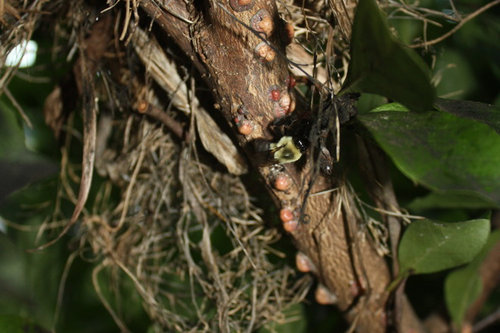
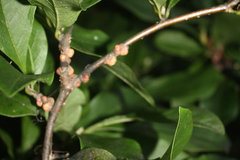
Magnolia & scale & bees, Oh My!
10 years ago
Featured Answer
Sort by:Oldest
Comments (12)
 10 years ago
Related Professionals
Philadelphia Landscape Architects & Landscape Designers · Huntington Landscape Architects & Landscape Designers · New London Landscape Architects & Landscape Designers · Salt Lake City Landscape Architects & Landscape Designers · Beckley Landscape Contractors · Marquette Landscape Contractors · Kearney Landscape Contractors · Jamestown Landscape Contractors · Rochester Landscape Contractors · Platteville Landscape Contractors · Lafayette Home Additions · Columbia Home Additions · Asheville Home Additions · Fort Worth Home Additions · Kirksville Home Additions PRO10 years ago
- 10 years ago
 10 years ago
- 10 years ago
- 10 years ago
- 10 years ago
- 10 years ago
- 10 years ago
- 10 years ago
- 10 years ago
Related Stories
DECORATING GUIDESHoneycomb Shapes Are the Bee’s Knees
The hexagon is everywhere in nature — in honeycombs, tortoiseshells, snowflakes. Why not replicate it in home design?
Full Story
LANDSCAPE DESIGNGreat Design Plant: Saucer Magnolia
Witness its glorious spectacle in early spring, but this specimen tree brings other delightful visuals to a garden too
Full Story
FARM YOUR YARDHello, Honey: Beekeeping Anywhere for Fun, Food and Good Deeds
We need pollinators, and they increasingly need us too. Here, why and how to be a bee friend
Full Story
GARDENING GUIDESGreat Design Plant: Chionanthus Virginicus
Lacy flowers cover native white fringetree in spring, and birds feed off its berries in winter
Full Story
FURNITUREWhy Your Room Wants a Small Chair
Overstuffed chairs have their place, but undersize ones have more. Tuck one in and watch guests flock over
Full Story
GARDENING GUIDESLessons in the Rewards of Selfless Gardening
Let go of gardening for your own vision and watch the garden’s own true vision come forth
Full Story
GARDENING GUIDESGarden-Friendly Native Alternatives to Overplanted Exotics
There are lots of gorgeous, wildlife-friendly native plants ready to make an appearance in your garden
Full Story
GARDENING GUIDESGreat Design Plant: Eutrochium Maculatum
Sculptural, slightly tropical looking and a boon to wildlife, Spotted Joe Pye Weed is a gotta-have plant in many parts of the U.S.
Full Story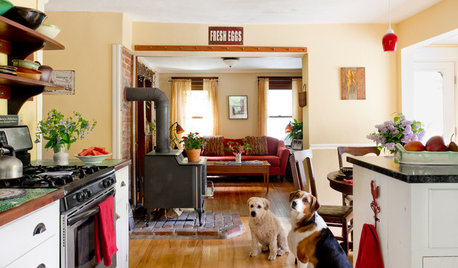
HOUZZ TOURSMy Houzz: Handmade Coziness in a Potter’s New England Home and Studio
Thoughtful details, a wealth of color and inviting farmhouse style rule in this family’s renovated house
Full Story
FRONT YARD IDEASBefore and After: Front Lawn to Prairie Garden
How they did it: Homeowners create a plan, stick to it and keep the neighbors (and wildlife) in mind
Full Story
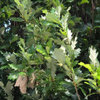
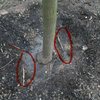
rhizo_1 (North AL) zone 7