
Flowers and Plants
Gardening Guides



Create a Meadow Effect With ‘Moonbeam’ Coreopsis
This easy-care perennial will make itself at home in any garden

‘Moonbeam’ coreopsis should be high on your list when you’re looking for a reliable flowering perennial. This popular cultivar is readily available, easy to start from seed or by setting out plants, not fussy about soil and known for its long bloom season.
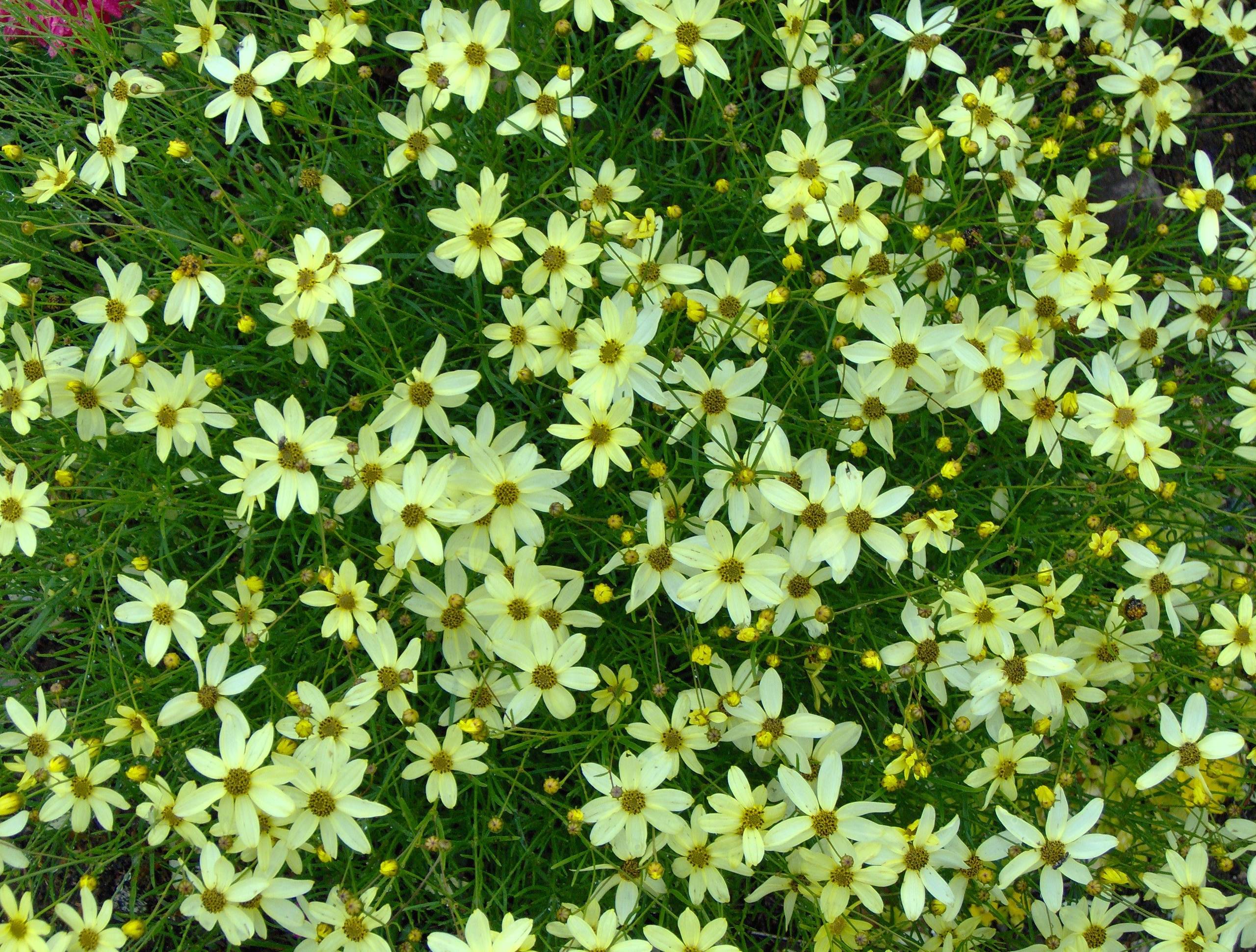
Best of all, it’s versatile. It’s at home when nestled among other annuals and perennials in a traditional flower garden, but it’s also equally effective when allowed to naturalize and spread. It creates a meadow-like setting that recalls the plant’s prairie roots while maintaining a contemporary vibe that can work with almost any landscape design. Look for seeds or plants to include in your garden once spring has arrived.
Best of all, it’s versatile. It’s at home when nestled among other annuals and perennials in a traditional flower garden, but it’s also equally effective when allowed to naturalize and spread. It creates a meadow-like setting that recalls the plant’s prairie roots while maintaining a contemporary vibe that can work with almost any landscape design. Look for seeds or plants to include in your garden once spring has arrived.
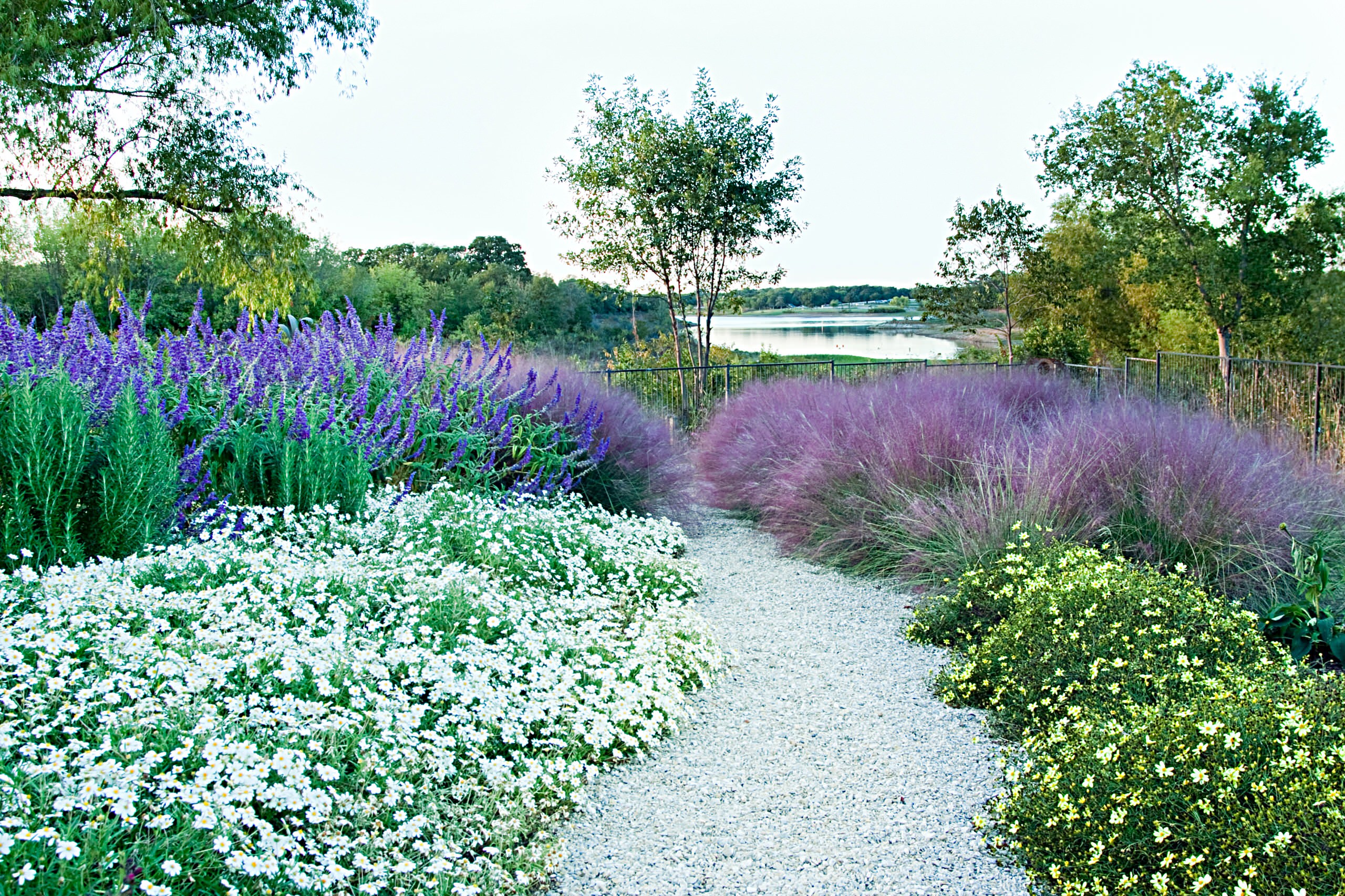
Mexican bush sage (Salvia leucantha), pink muhly grass (Muhlenbergia capillaris), blackfoot daisy (Melampodium leucanthum), ‘Moonbeam’ coreopsis, coneflower and rosemary frame this garden path outside Houston.
Benefits and tolerances: Flowers attract butterflies; seed heads attract birds; drought-tolerant once established and deer-resistant. Not fussy about soil type as long as it drains well; tolerates heat and humidity.
Seasonal interest: Waves of pale yellow flowers from summer through fall
When to plant: Sow seeds in spring after the last frost date; set out plants in spring or fall
Benefits and tolerances: Flowers attract butterflies; seed heads attract birds; drought-tolerant once established and deer-resistant. Not fussy about soil type as long as it drains well; tolerates heat and humidity.
Seasonal interest: Waves of pale yellow flowers from summer through fall
When to plant: Sow seeds in spring after the last frost date; set out plants in spring or fall
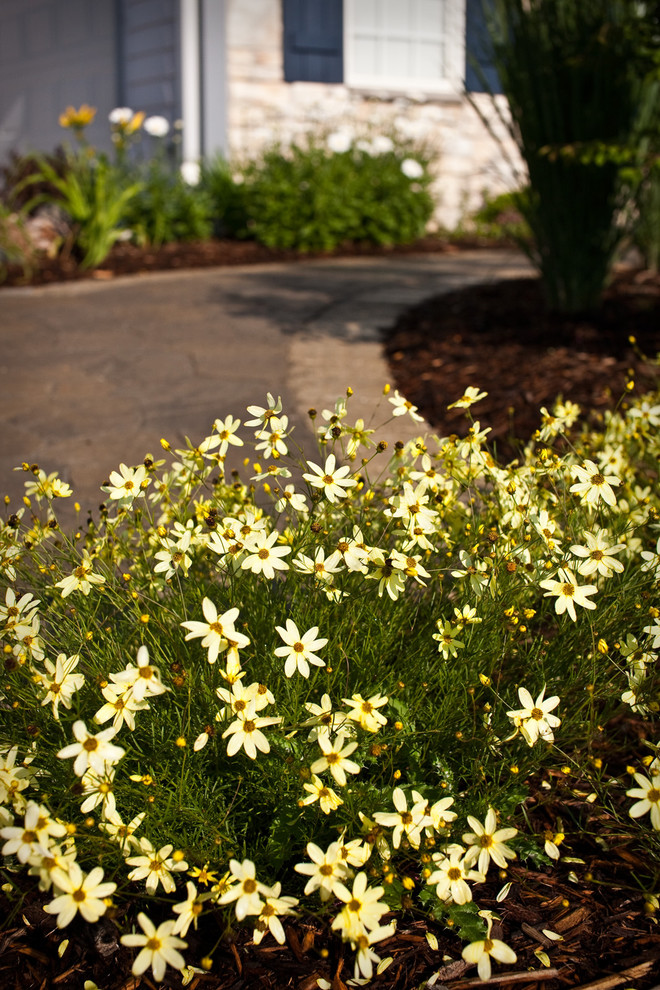
Distinguishing traits. ‘Moonbeam’ has finely divided narrow leaves and daisy-like light yellow flowers with darker centers. It is a prolific bloomer that spreads easily.
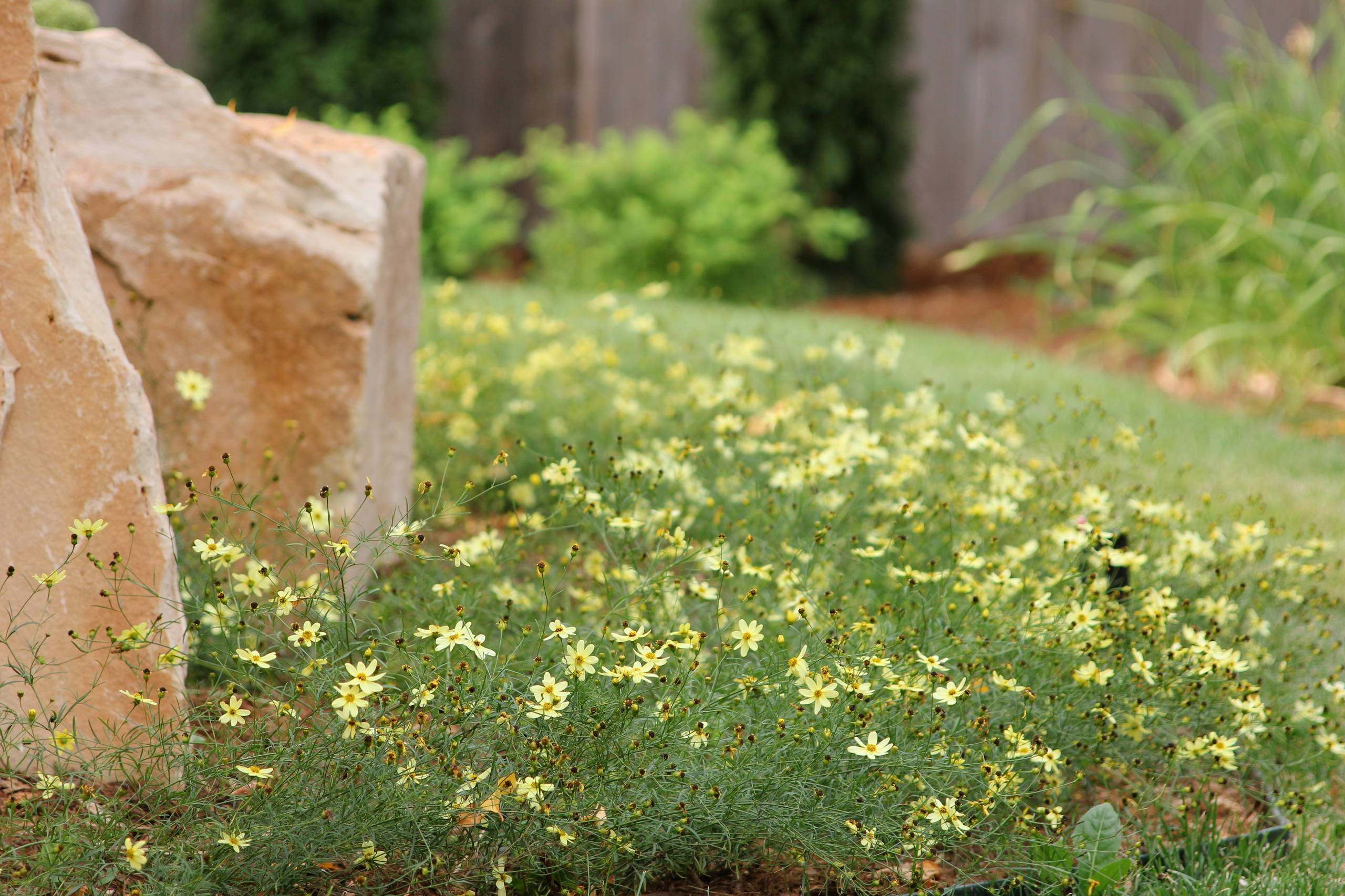
How to use it. Include ‘Moonbeam’ in flower beds or borders for continuous color, add it to cottage gardens, use it in rock gardens or scatter seeds for a naturalized garden. The light yellow color makes it blend well with other flowers, and it’s especially effective paired with blue-flowering plants.

Planting notes. Sow seeds or set out plants in well-draining soil in full sun. Provide moderate water until established, then provide additional water in the growing season if summer rains are less than 1 inch per week. Deadhead or shear off flower heads when they begin to fade in July to extend the bloom season.
Feed with an all-purpose fertilizer in spring. Divide approximately every three years in spring or early fall. Protect where winters are cold.
More
How to Design a Colorful Flower Bed
See more great design plants
Feed with an all-purpose fertilizer in spring. Divide approximately every three years in spring or early fall. Protect where winters are cold.
More
How to Design a Colorful Flower Bed
See more great design plants

Sponsored

Common names: ‘Moonbeam’ coreopsis, ‘Moonbeam’ threadleaf coreopsis, ‘Moonbeam’ tickseed
Origin: The straight species is native to the eastern and southern U.S.
Where it will grow: Hardy to minus 30 degrees Fahrenheit, or minus 34.4 degrees Celsius (USDA zones 4 to 9; find your zone)
Typical plant communities: Prairies and light woodlands
Water requirement: Little to moderate water
Light requirement: Full sun
Mature size: Up to 1½ feet tall and wide