


Mobiles
What Houzz contributors are saying:

Marco Mahler added this to Art in Motion: The Story Behind Mobiles
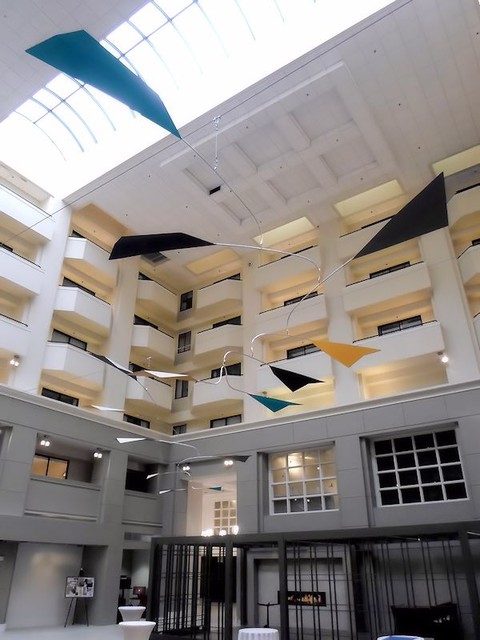
Mobiles TodayMobiles remain a much-uncharted art form. Not many sculptors have fully applied themselves to the form yet, probably partially due to Calder’s dominance of the genre. Art critic and Los Angeles Times contributor David Pagel refers to mobiles as “a genre of sculpture [Calder] may not have invented but owns so completely that it’s almost impossible for another artist to make a mobile and not be compared, unfavorably, to Calder.” As someone who makes mobiles professionally and prides himself on his creativity and the quality of his work, I would like to make sure you noted the word “almost” in that sentence. Over time mobiles have slowly evolved from their early midcentury modern style to a variety of contemporary designs in a range of materials, and many possibilities and styles remain unexplored. Essentially, they can be customized to any style and space: contemporary, modern, traditional, industrial or rustic; small, large, wide, narrow or flat. And mobiles don’t compete with other objects, since they are up and above in mostly unused real estate. I see spaces that could use a mobile almost everywhere I go.Shown: Two out of a series of three mobiles I designed and made for the atrium at a hotel in Northern Virginia. The design was inspired by the architecture of the Butterfield House in New York City.
What Houzzers are commenting on:

C. Kramer Interiors added this to Mobiles
The Mobile adds movement and enhances the depth of the space.