

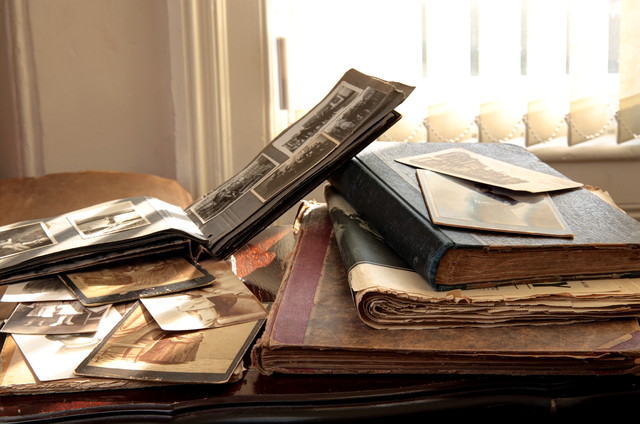

Photo Albums
Author has the rights to use this photo on Houzz.
What Houzz contributors are saying:

CEO/Founder The Photo Managers added this to How to Save Your Family Photo Albums
1. Lock in freshness. To start, I highly recommend simply placing your photo albums in archival-safe plastic bags so that the natural elements, most commonly dust and sunlight, don’t get to your photos. (More on the further organization of your photo albums later.) If your photos already rest inside photo-safe plastic sleeves or are stuck to acid-free scrapbook paper, you don’t need to worry about taking them out of these albums. They are safe, and these plastic bags provide additional protection to your albums when they’re stored.
What Houzzers are commenting on:

jerry1953 added this to Barb's Likes
1. Lock in freshness. To start, I highly recommend simply placing your photo albums in archival-safe plastic bags so that the natural elements, most commonly dust and sunlight, don’t get to your photos. (More on the further organization of your photo albums later.) If your photos already rest inside photo-safe plastic sleeves or are stuck to acid-free scrapbook paper, you don’t need to worry about taking them out of these albums. They are safe, and these plastic bags provide additional protection to your albums when they’re stored.

Lily Rogina added this to willowchance7's ideas
Look for vintage photo albums at antique shops?
ElisabethK Boas added this to ElisabethK's ideas
Digitizing old photos, courtesy Eileen Yagoda
dbegonia added this to photo storage
Incorporate a secret drawer. A kitchen can never have too many drawers. And what better place to fit an extra drawer than inside another? This well-organized cutlery and utensil drawer makes fantastic use of space by having two separate drawers behind one drawer front.
One section can be used for utensils, while the other can store cutlery. Alternatively, the second drawer is a great place to store a second set of cutlery reserved for special occasions and celebration dinners.
darwindiane added this to saving family photos
great picture for project To Do
burdley added this to PHOTOGRAPH INFO
I am an artist and a photographer with many family photos from the 1800's. I think a lot about archiving issues. This is good point about the plastic, but it is meant to keep out environmental pollutants. It will also protect against extreme moisture or dryness to some extent. I also live in a very humid environment, close to the ocean where it's foggy all the time, and I've found that plastic won't trap moisture if it's wrapped around carefully. My next door neighbor is a documentary film maker and has all her films and images stored in archival containers in a climate controlled (dehumidified and heated) garage. A pro photographer friend keeps all her negatives in a sealed vault. You can take any of these measures to the extreme if you want. This article addresses the good basics. I would add to those basics a digital backup to the highest resolution possible, prints from digital and several copies of the digital files in TIFF format (not JPEG!!). I don't trust the Cloud as an archival storage mechanism, although it's a great way to share photos. Images have to be "zipped and unzipped" for the Cloud, and you don't have control over the file compression on the other end. The method used is often "Lossy", which means that information is lost. We also don't know where that technology will be in 10 years.
T added this to Crafty things
Beware of old albums. If your photos are in so-called magnetic albums, take them out as soon as possible! The chemicals used in these albums are highly detrimental to photos. These albums, in fact, are not magnetic but instead use an adhesive on a page in which you sandwich a photo between a sticky coating and a plastic sheet. The culprit of destruction is the highly acidic glue, which causes photos to yellow and makes them very difficult to remove.