
Cupolas & Weathervanes
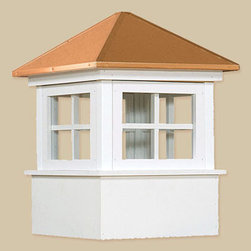
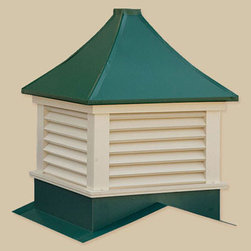
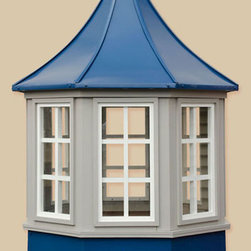
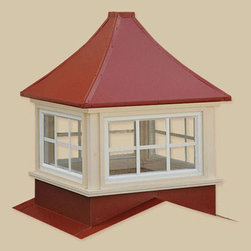
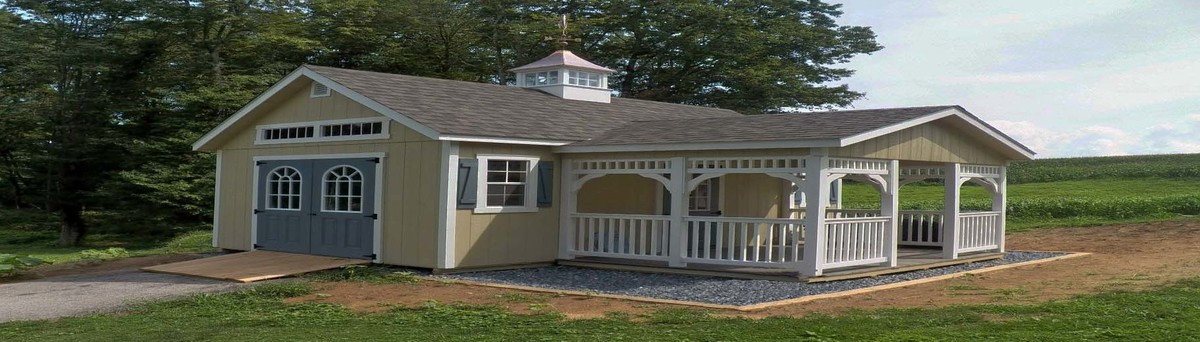
In architectural terms, a cupola is a small dome-like structure compared to the rest of the building, on top of a building in order to provide effective source for a lookout or simply to allow admission of light or circulation of air, it usually also does the job of covering a larger roof or dome in order to ensure the building doesn't get too heated up and also further more to add a thematic effect to the building. The word cupola is derived from the sub European language Italian, from the classical language Latin copula is also referred as a small cup indicating a vault resembling an upside down cup. Cupolas often appear as small buildings own their own and to some extent also deserve the right to be called one also. They often serve as a source of light above a main roof for an aeronautical view. In some cases they are used for covering a tower top, spire, or turret.
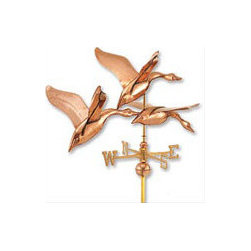
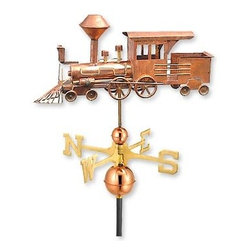
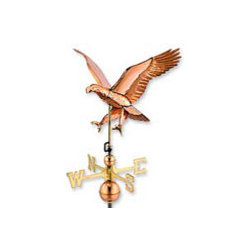
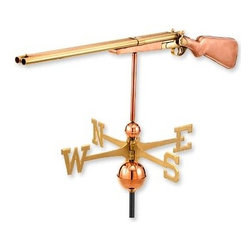
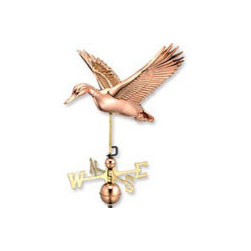
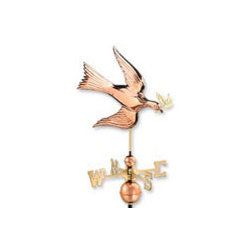
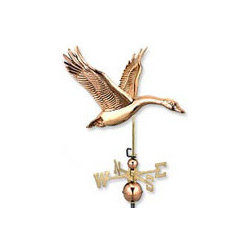
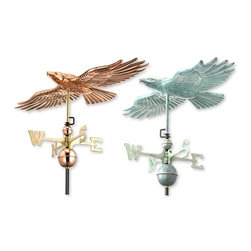
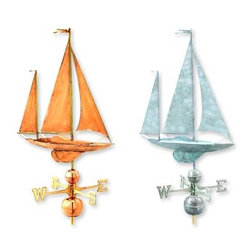
Weathervanes, which adorn many public buildings as well as private homes, are one of the oldest methods of weather prediction. Located on the highest point of tall structures, they are a simple device balanced on a rotating axis, designed to indicate the direction and speed of the wind. Weather vanes have a rich and long history, with examples dating to ancient Greece and Rome.
Weathervanes, which adorn many public buildings as well as private homes, are one of the oldest methods of weather prediction. Located on the highest point of tall structures, they are a simple device balanced on a rotating axis, designed to indicate the direction and speed of the wind. Weather vanes have a rich and long history, with examples dating to ancient Greece and Rome.