

GEORGE DIEBOLD'S RUSTED RELICS
All across The United States, there is an inevitable end coming to a once common sight on the American landscape; the automobile salvage yard.
Almost always the bane of any community they can be delegated to, junkyards served an important but unsightly function in modern society.
Although most people have never actually set foot in a salvage yard, there is, thanks to the curiosity of human nature, a certain fascination with acre upon acre of abandoned objects we are familiar with on a daily basis.
Oddly, the average American is extremely nostalgic. The links to our past constantly bombard us through music and assorted memorabilia.
In spite of this, the amount of people who take an active role in preserving and restoring the automobiles of a bygone era is rapidly vanishing.
Due in part to society’s environmental mindset, but also the never-ending thirst for empty land, the days are numbered for many salvage businesses.
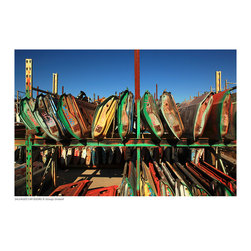
My interest in all of this began years ago while on one of my many road trips across the American Southwest. It was in that giant oasis of open land and low humidity that I began exploring and photographing the abandoned relics of America’s industrial golden era.
It’s a constant race against time! In one yard I visited, four hundred cars a week were being crushed and shredded, the steel more valuable than a complete Cadillac from the 1950’s.
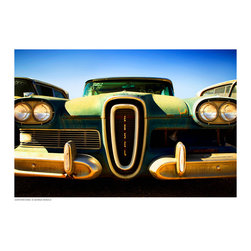
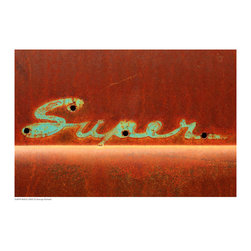
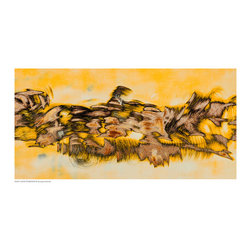
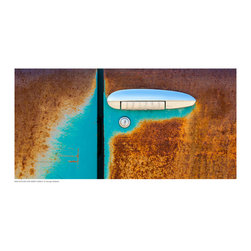
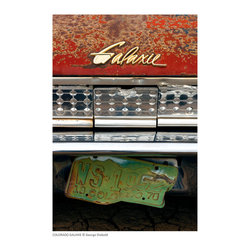
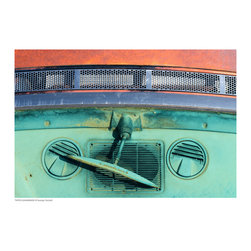
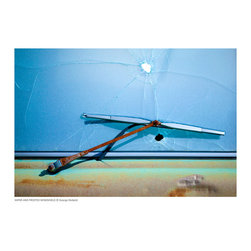
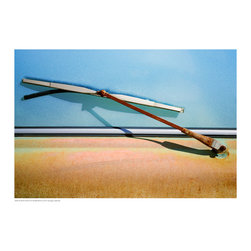
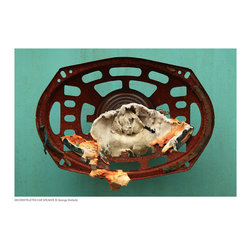
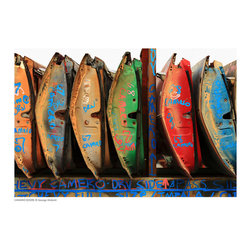
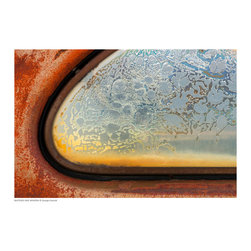
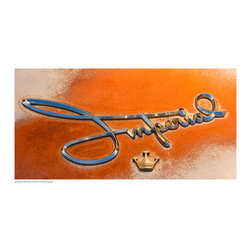
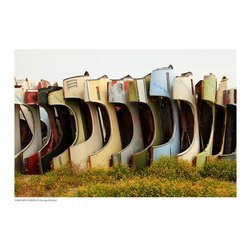
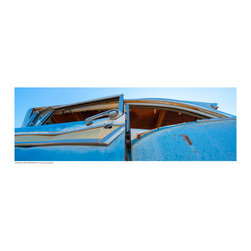
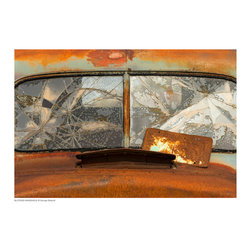
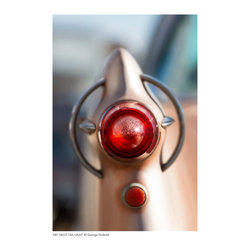
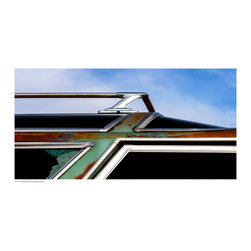
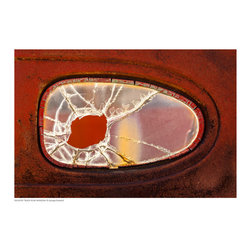
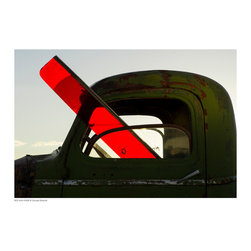
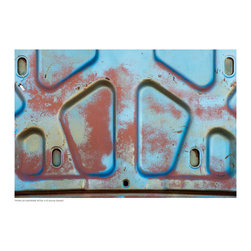
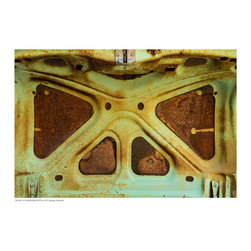
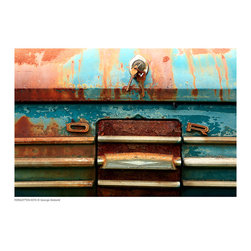
Very few of my pictures showcase entire cars, but rather zero in on the details and components that defined a style of manufacturing gone forever.
The days of one hundred pound chrome bumpers and cast metal hood ornaments will never return, and the yards that held these treasures are quickly following.
Whether I’ve made arrangements to photograph a specific yard, or I happen to come across one during my travels, my portfolio of Rusted Relics is, for now, ever expanding.
Like the wagon wheel and the locomotive, there will come a day when these artifacts will be a distant memory.
George Diebold
www.georgediebold.com
Almost always the bane of any community they can be delegated to, junkyards served an important but unsightly function in modern society.
Although most people have never actually set foot in a salvage yard, there is, thanks to the curiosity of human nature, a certain fascination with acre upon acre of abandoned objects we are familiar with on a daily basis.
Oddly, the average American is extremely nostalgic. The links to our past constantly bombard us through music and assorted memorabilia.
In spite of this, the amount of people who take an active role in preserving and restoring the automobiles of a bygone era is rapidly vanishing.
Due in part to society’s environmental mindset, but also the never-ending thirst for empty land, the days are numbered for many salvage businesses.
My interest in all of this began years ago while on one of my many road trips across the American Southwest. It was in that giant oasis of open land and low humidity that I began exploring and photographing the abandoned relics of America’s industrial golden era.
It’s a constant race against time! In one yard I visited, four hundred cars a week were being crushed and shredded, the steel more valuable than a complete Cadillac from the 1950’s.
Very few of my pictures showcase entire cars, but rather zero in on the details and components that defined a style of manufacturing gone forever.
The days of one hundred pound chrome bumpers and cast metal hood ornaments will never return, and the yards that held these treasures are quickly following.
Whether I’ve made arrangements to photograph a specific yard, or I happen to come across one during my travels, my portfolio of Rusted Relics is, for now, ever expanding.
Like the wagon wheel and the locomotive, there will come a day when these artifacts will be a distant memory.
George Diebold
www.georgediebold.com
Country: United States