Lawn Be Gone
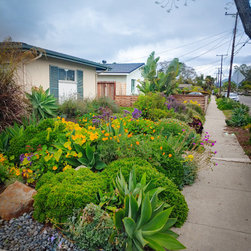
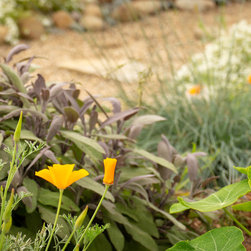
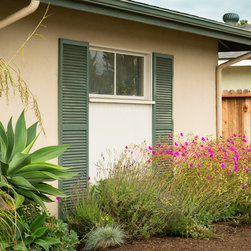
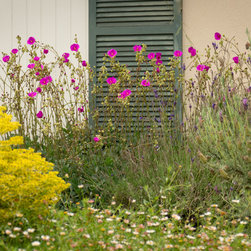
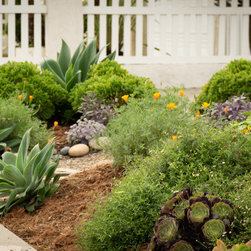
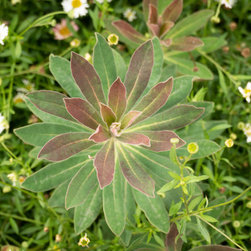
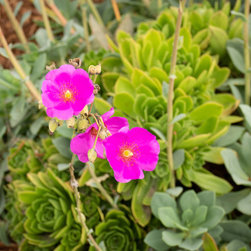
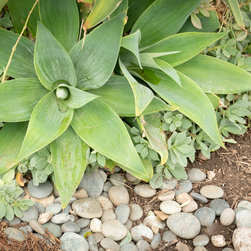
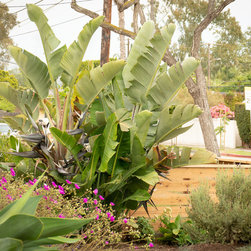
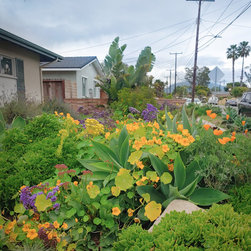
In post war America, having a verdant lawn became a ubiquitous element found in housing developments across the country. Fears of water damaging properties lead to landscapes sloping toward the road. Today more than half a century later we are beginning to recognize the error of out ways. Lawns are thirsty monocrops that require a lot of fertilizer, herbicides and labor to keep looking good. Putting lawns on slopes makes them even more difficult to irrigate and don’t allow storm water to infiltrate into the soil. When rain falls onto a traditional lawn it picks up pollutants including the chemical fertilizers and herbicides used on the lawn where they flood into waterways polluting streams and the ocean. When large storm water infiltration does not happen on a large scape rain water can quickly accumulate leading to greater flooding issues. By removing and reducing lawn and recontouring the land to capture rainwater that garden plants can access we can create beautiful, low water landscapes. The traditional lawn can be transformed into a space that recharge our aquafers, keep or oceans and waterways clean and healthy. Providing more biodiversity with our plantings we provide habitat to local wildlife such as birds, bees and butterflies allowing us to live with nature not dominating it. In this mid-century track house we have removed the lawn, recontoured to the slope to capture rain water and filled the space with herbs to be enjoyed in the kitchen and colorful flowers to be enjoyed by birds, bees and other local insects.
Project Year: 2017
Project Cost: $5,001 - $7,500
Country: United States