

Septic Cleaning vs. Septic Pumping: What’s the Difference?
If you own a home or manage a property with a septic system, you’ve probably heard the terms septic cleaning and septic pumping used interchangeably. While they’re closely related—and often happen during the same service visit—they aren’t exactly the same thing. Understanding the difference can help you make smarter maintenance decisions, avoid unpleasant surprises, and extend the life of your septic system.
Below is a clear, homeowner-friendly breakdown of septic cleaning vs. septic pumping, when each is needed, and how to keep your system running smoothly year after year.
________________________________________
What Is Septic Pumping?
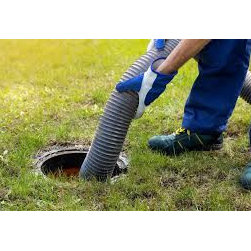
Septic pumping is the process of removing the liquid and floating layers (like scum and fats) from your septic tank using a vacuum truck. Over time, every septic tank accumulates waste. Even if you use your system responsibly, solids settle at the bottom and lighter materials rise to the top.
Pumping focuses mainly on removing the contents of the tank so it doesn’t overfill. When the tank gets too full, wastewater can back up into the home or overflow into the drain field—both of which can be expensive and stressful to deal with.
In simple terms: septic pumping is primarily about emptying the tank before it becomes overloaded.
________________________________________
What Is Septic Cleaning?
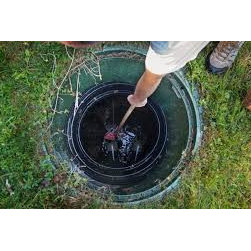
Septic cleaning typically refers to a more thorough service that goes beyond simply extracting liquids. During septic cleaning, the goal is to remove built-up sludge and compacted solids that can cling to the bottom and sides of the tank. Over time, these materials can harden, reduce capacity, and interfere with proper separation inside the tank.
A thorough septic cleaning may involve:
• Breaking up dense sludge layers
• Removing compacted solids stuck to the tank floor
• Ensuring baffles and filters are not blocked
• Checking for signs of damage or abnormal buildup
Some service providers use “cleaning” to describe a complete pump-out that includes agitation and full removal of solids. Others reserve the term for cases where a tank has been neglected and needs deeper attention. Either way, septic cleaning emphasizes removing what pumping alone might leave behind.
In simple terms: septic cleaning is about restoring the tank’s working capacity and function, not just emptying it.
________________________________________
Why the Difference Matters
The reason this distinction is important is that septic tanks rely on natural separation. Solids settle, oils float, and the middle layer of relatively clear effluent flows out to the drain field. If sludge builds up too much—or is not fully removed over time—solids can move into the drain field. Once that happens, your drain field can clog, saturate, or fail.
Drain field issues are among the most expensive septic problems to fix. Regular septic cleaning (not just occasional pumping) helps protect that downstream system.
________________________________________
How Often Should You Schedule Septic Cleaning?
There isn’t one universal schedule because septic needs depend on:
• Household size or property usage
• Tank size
• Water consumption habits
• Garbage disposal use
• Whether the system is residential or commercial
That said, many homes benefit from service every 3–5 years, while high-use systems may need more frequent attention. The best approach is to combine routine service with periodic inspections so you’re maintaining the tank based on actual conditions—not guesswork.
________________________________________
Signs You May Be Overdue for Septic Cleaning
Even if everything seems “fine,” septic issues can build quietly. Common warning signs include:
• Slow drains or frequent clogs throughout the home
• Gurgling sounds in pipes
• Sewage odors indoors or outdoors
• Wet, spongy areas near the drain field
• Extra-green grass over the septic area
• Backups in the lowest drains (like basements)
If you notice these symptoms, it may mean your tank is nearing capacity—or that solids are interfering with flow.
________________________________________
A Few Practical Tips to Reduce Buildup
While professional septic cleaning is essential, you can reduce strain on your system by:
• Spreading out laundry loads instead of doing many in one day
• Avoiding flushing wipes, hygiene products, and paper towels
• Limiting grease, fats, and food scraps down drains
• Fixing leaks (a running toilet can overload a system fast)
• Keeping vehicles and heavy equipment off the drain field
Small habits add up—and can help your tank stay in better shape between cleanings.
________________________________________
The Bottom Line
Septic pumping removes the tank contents to prevent overflow. Septic cleaning is a more thorough process that targets stubborn sludge and solids that can reduce capacity and harm the drain field over time. Knowing the difference helps you ask better questions, schedule the right service, and protect one of the most important (and expensive) systems on your property.
If you’re unsure what your septic system needs, a reputable local provider can help evaluate usage, tank condition, and recommend a maintenance schedule that fits your property.
Below is a clear, homeowner-friendly breakdown of septic cleaning vs. septic pumping, when each is needed, and how to keep your system running smoothly year after year.
________________________________________
What Is Septic Pumping?
Septic pumping is the process of removing the liquid and floating layers (like scum and fats) from your septic tank using a vacuum truck. Over time, every septic tank accumulates waste. Even if you use your system responsibly, solids settle at the bottom and lighter materials rise to the top.
Pumping focuses mainly on removing the contents of the tank so it doesn’t overfill. When the tank gets too full, wastewater can back up into the home or overflow into the drain field—both of which can be expensive and stressful to deal with.
In simple terms: septic pumping is primarily about emptying the tank before it becomes overloaded.
________________________________________
What Is Septic Cleaning?
Septic cleaning typically refers to a more thorough service that goes beyond simply extracting liquids. During septic cleaning, the goal is to remove built-up sludge and compacted solids that can cling to the bottom and sides of the tank. Over time, these materials can harden, reduce capacity, and interfere with proper separation inside the tank.
A thorough septic cleaning may involve:
• Breaking up dense sludge layers
• Removing compacted solids stuck to the tank floor
• Ensuring baffles and filters are not blocked
• Checking for signs of damage or abnormal buildup
Some service providers use “cleaning” to describe a complete pump-out that includes agitation and full removal of solids. Others reserve the term for cases where a tank has been neglected and needs deeper attention. Either way, septic cleaning emphasizes removing what pumping alone might leave behind.
In simple terms: septic cleaning is about restoring the tank’s working capacity and function, not just emptying it.
________________________________________
Why the Difference Matters
The reason this distinction is important is that septic tanks rely on natural separation. Solids settle, oils float, and the middle layer of relatively clear effluent flows out to the drain field. If sludge builds up too much—or is not fully removed over time—solids can move into the drain field. Once that happens, your drain field can clog, saturate, or fail.
Drain field issues are among the most expensive septic problems to fix. Regular septic cleaning (not just occasional pumping) helps protect that downstream system.
________________________________________
How Often Should You Schedule Septic Cleaning?
There isn’t one universal schedule because septic needs depend on:
• Household size or property usage
• Tank size
• Water consumption habits
• Garbage disposal use
• Whether the system is residential or commercial
That said, many homes benefit from service every 3–5 years, while high-use systems may need more frequent attention. The best approach is to combine routine service with periodic inspections so you’re maintaining the tank based on actual conditions—not guesswork.
________________________________________
Signs You May Be Overdue for Septic Cleaning
Even if everything seems “fine,” septic issues can build quietly. Common warning signs include:
• Slow drains or frequent clogs throughout the home
• Gurgling sounds in pipes
• Sewage odors indoors or outdoors
• Wet, spongy areas near the drain field
• Extra-green grass over the septic area
• Backups in the lowest drains (like basements)
If you notice these symptoms, it may mean your tank is nearing capacity—or that solids are interfering with flow.
________________________________________
A Few Practical Tips to Reduce Buildup
While professional septic cleaning is essential, you can reduce strain on your system by:
• Spreading out laundry loads instead of doing many in one day
• Avoiding flushing wipes, hygiene products, and paper towels
• Limiting grease, fats, and food scraps down drains
• Fixing leaks (a running toilet can overload a system fast)
• Keeping vehicles and heavy equipment off the drain field
Small habits add up—and can help your tank stay in better shape between cleanings.
________________________________________
The Bottom Line
Septic pumping removes the tank contents to prevent overflow. Septic cleaning is a more thorough process that targets stubborn sludge and solids that can reduce capacity and harm the drain field over time. Knowing the difference helps you ask better questions, schedule the right service, and protect one of the most important (and expensive) systems on your property.
If you’re unsure what your septic system needs, a reputable local provider can help evaluate usage, tank condition, and recommend a maintenance schedule that fits your property.