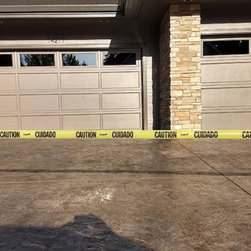


Top 5 Mistakes to Avoid When Sealing Your Driveway
Sealing your driveway is a smart investment that boosts curb appeal, protects against the elements, and extends its life. But if not done correctly, it can lead to unsightly and costly problems. Whether you’re sealing concrete, imprinted concrete, or tarmac, understanding and avoiding common mistakes is key to getting the most out of your sealer.
This guide breaks down the top five driveway sealing mistakes and how to avoid them.
Why Driveway Sealing Is Important
A quality sealer creates a protective barrier that:
● Prevents water from penetrating the surface
● Guards against UV rays and weather damage
● Resists oil and chemical stains
● Enhances appearance with a clean finish
● Reduces cracking and surface wear
However, these benefits only hold up when applied properly. Let’s explore what not to do.
1. Not Cleaning the Surface Properly
Skipping surface prep is the most common mistake.
Why it matters: Dirt, debris, and oil stains stop the sealer from bonding, leading to peeling, bubbling, or uneven coverage.
How to clean it right:
● Sweep thoroughly
● Pressure wash or hose down the surface
● Use a degreaser on oil stains
● Let it dry completely for 24–48 hours before sealing
Pro tip: On decorative or imprinted concrete, clean between grooves using a soft brush.
2. Sealing Too Soon After Installation
New surfaces need time to cure before sealing.
What happens if you don’t wait: Sealer traps moisture, which causes blistering or a cloudy finish.
Cure time guidelines:
● Concrete: Wait at least 28 days
● Tarmac/Asphalt: Wait 90 days (weather-dependent)
Use a moisture meter or consult your supplier if unsure.
3. Using the Wrong Type of Sealer
Not all sealers are suitable for every surface.
Examples of mismatched sealers:
● Solvent-based acrylics are great for decorative concrete
● Water-based sealers work well on porous, older concrete
● Tarmac requires UV-resistant, bitumen-compatible products
Fix it: Check the label or get expert advice from Trade Supplies UK to match the right product with your driveway.
4. Applying Too Much Sealer
Applying thick coats does more harm than good.
What goes wrong:
● Uneven drying
● Flaking or whitening
● Sticky or slippery surfaces
Best practice:
Apply thin, even coats with a roller or sprayer. Let each coat dry fully (6–12 hours) before adding another. Two light coats are far better than one heavy one.
5. Ignoring Weather Conditions
Bad weather ruins good sealing jobs.
Avoid sealing when:
● Temperatures are below 10°C or above 30°C
● Rain is expected within 24 hours
● The surface is still damp
Ideal conditions: Dry, mild weather with no rain forecast and moderate temperatures. Also avoid windy days when spraying, as wind can cause overspray or patchiness.
Bonus Mistake: Not Resealing Every Few Years
Driveway sealing is not a one-time job. Most surfaces need resealing every 2–3 years.
Signs it’s time:
● Color has faded
● Loss of shine or wet-look finish
● Water no longer beads on the surface
Resealing on schedule helps maintain protection and curb appeal.
Recommended Driveway Sealers
Looking for reliable products? At Trade Supplies UK, you’ll find top-rated driveway sealers, trusted by professionals:
● Eden Paints Imprinted Concrete Driveway Paint and Sealer – Ideal for decorative finishes
● Extreme Quick Drying Concrete Floor & Patio Paint Sealer – Great for fast, durable protection
● Paintmaster Tarmac Paint and Sealer – Perfect for blacktop and tarmac driveways
All products are built for performance and long-term protection.
Conclusion
Sealing your driveway can dramatically improve its look and longevity—but only if done right. By avoiding these five common mistakes and choosing high-quality products, you can achieve a long-lasting, professional finish.
Need help selecting the right sealer? Contact the experts at Trade Supplies UK for guidance and trusted materials tailored to your driveway type.
This guide breaks down the top five driveway sealing mistakes and how to avoid them.
Why Driveway Sealing Is Important
A quality sealer creates a protective barrier that:
● Prevents water from penetrating the surface
● Guards against UV rays and weather damage
● Resists oil and chemical stains
● Enhances appearance with a clean finish
● Reduces cracking and surface wear
However, these benefits only hold up when applied properly. Let’s explore what not to do.
1. Not Cleaning the Surface Properly
Skipping surface prep is the most common mistake.
Why it matters: Dirt, debris, and oil stains stop the sealer from bonding, leading to peeling, bubbling, or uneven coverage.
How to clean it right:
● Sweep thoroughly
● Pressure wash or hose down the surface
● Use a degreaser on oil stains
● Let it dry completely for 24–48 hours before sealing
Pro tip: On decorative or imprinted concrete, clean between grooves using a soft brush.
2. Sealing Too Soon After Installation
New surfaces need time to cure before sealing.
What happens if you don’t wait: Sealer traps moisture, which causes blistering or a cloudy finish.
Cure time guidelines:
● Concrete: Wait at least 28 days
● Tarmac/Asphalt: Wait 90 days (weather-dependent)
Use a moisture meter or consult your supplier if unsure.
3. Using the Wrong Type of Sealer
Not all sealers are suitable for every surface.
Examples of mismatched sealers:
● Solvent-based acrylics are great for decorative concrete
● Water-based sealers work well on porous, older concrete
● Tarmac requires UV-resistant, bitumen-compatible products
Fix it: Check the label or get expert advice from Trade Supplies UK to match the right product with your driveway.
4. Applying Too Much Sealer
Applying thick coats does more harm than good.
What goes wrong:
● Uneven drying
● Flaking or whitening
● Sticky or slippery surfaces
Best practice:
Apply thin, even coats with a roller or sprayer. Let each coat dry fully (6–12 hours) before adding another. Two light coats are far better than one heavy one.
5. Ignoring Weather Conditions
Bad weather ruins good sealing jobs.
Avoid sealing when:
● Temperatures are below 10°C or above 30°C
● Rain is expected within 24 hours
● The surface is still damp
Ideal conditions: Dry, mild weather with no rain forecast and moderate temperatures. Also avoid windy days when spraying, as wind can cause overspray or patchiness.
Bonus Mistake: Not Resealing Every Few Years
Driveway sealing is not a one-time job. Most surfaces need resealing every 2–3 years.
Signs it’s time:
● Color has faded
● Loss of shine or wet-look finish
● Water no longer beads on the surface
Resealing on schedule helps maintain protection and curb appeal.
Recommended Driveway Sealers
Looking for reliable products? At Trade Supplies UK, you’ll find top-rated driveway sealers, trusted by professionals:
● Eden Paints Imprinted Concrete Driveway Paint and Sealer – Ideal for decorative finishes
● Extreme Quick Drying Concrete Floor & Patio Paint Sealer – Great for fast, durable protection
● Paintmaster Tarmac Paint and Sealer – Perfect for blacktop and tarmac driveways
All products are built for performance and long-term protection.
Conclusion
Sealing your driveway can dramatically improve its look and longevity—but only if done right. By avoiding these five common mistakes and choosing high-quality products, you can achieve a long-lasting, professional finish.
Need help selecting the right sealer? Contact the experts at Trade Supplies UK for guidance and trusted materials tailored to your driveway type.