
Under Ground Bunker ...Location...Unknown
At Robeson Design, we see the next 40 years of design moving into small space apartments, high-rise condos downtown and even shipping container homes. The millennial generation is shifting away from single family homes in suburbia and is moving towards multi family units. They care about living near their workplaces in an effort to go green and lower fuel costs and their growing value of social engagement inclines them to move closer to their peers. We have seen a growing trend recently in people remodeling stylish airstream trailers and eco friendly homes made out of green building materials like rectangular shipping containers, who would have ever thought?!
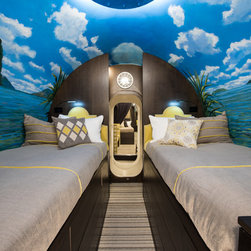
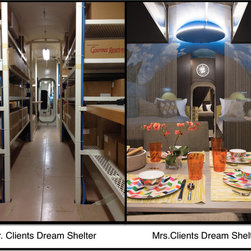
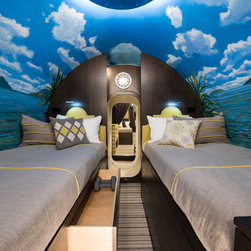
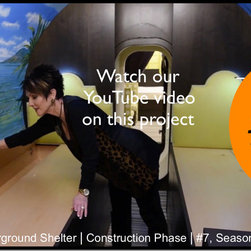
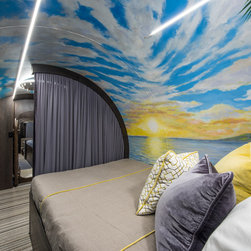
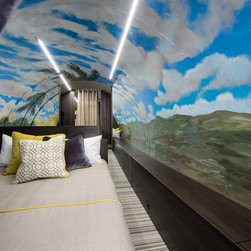
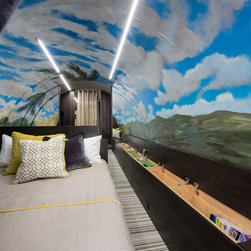
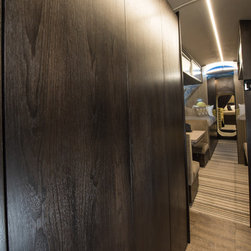
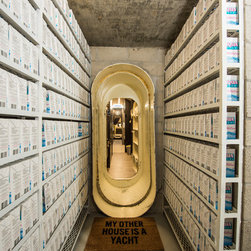
With that in mind, Robeson Design has taken the design challenge to a whole new level with what we call Project Airstream. We designed an incredibly small home for a family of four and took it one step further, we went UNDERGROUND! Though these clients were unique in their secured location request of 20” under, their project foreshadowed the overwhelming problem of the hipster millennial home owner, small square footage and even smaller storage space.
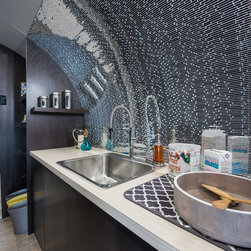
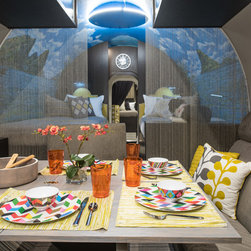
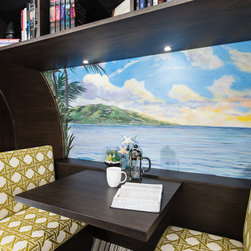
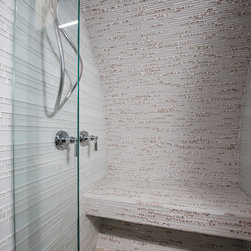
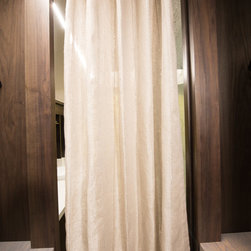
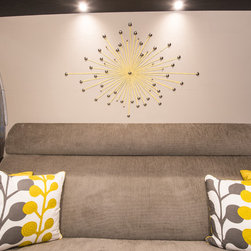
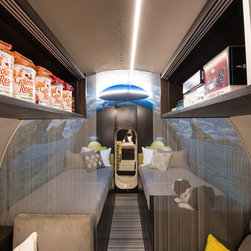
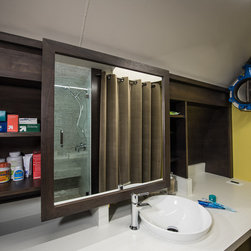
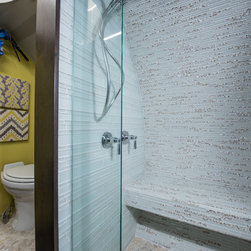
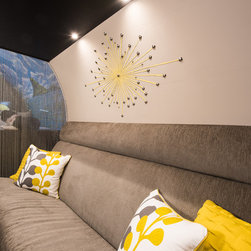
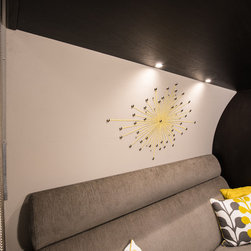
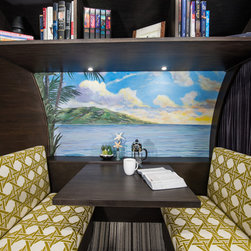
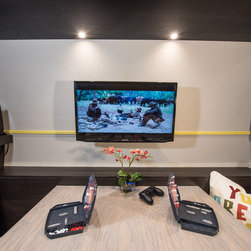
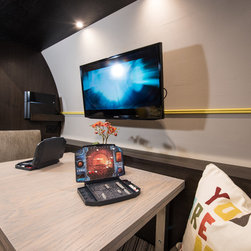
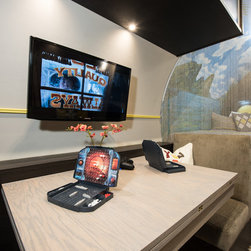
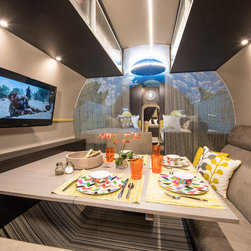
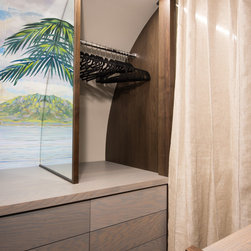
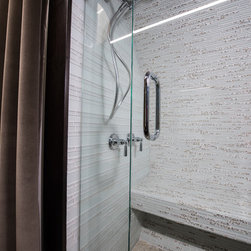
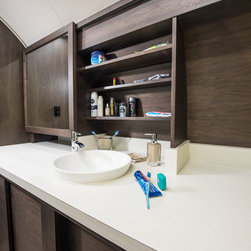
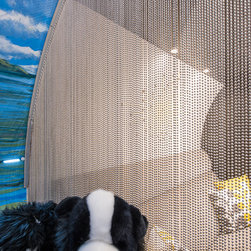
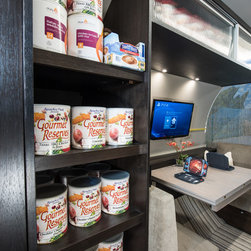
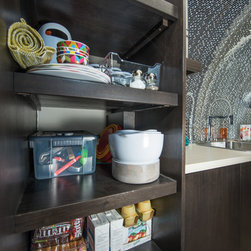
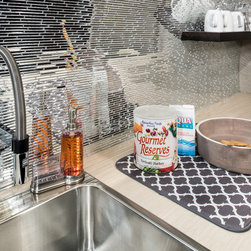
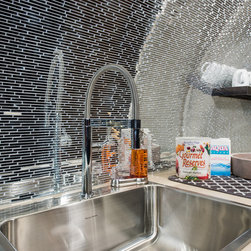
Small spaces propose storage challenges and require creative solutions. In Project Airstream we took a minimalist approach to our typical accessory & decor line up, without losing our wow factor of good design. We implemented custom designed furniture pieces that were transformer-esque in their ability to extend and retract for multi-purpose use. These furniture pieces promoted convertible living spaces; the bench seat becomes a full dining booth, the doors slide rather than swing out, and the cabinets are on touch latch hinges, eliminating the need for protruding hardware. We made no compromise in the design aspect by splurging on our flat surfaces. We selected beautiful quality tiles, reflective backsplashes, walnut wood finishes and vibrant designer fabrics to make a high-impact first impression.
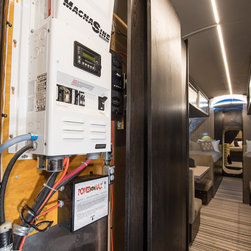
As the population grows and the square footage we inhabit decreases, as homeowners we can be mindful of our carbon footprint by using energy-efficient lighting and appliances in our spaces. In Project Airstream, we made sure our clients had the flexibility of being “on the grid” or off by providing options for traditional electricity, battery operated generators as well as solar powered panels.
Though this project is unique to our clients specific needs, the design concepts implemented are transferable and applicable to many as we approach the age of smaller space living over the next 40 years.
With that in mind, Robeson Design has taken the design challenge to a whole new level with what we call Project Airstream. We designed an incredibly small home for a family of four and took it one step further, we went UNDERGROUND! Though these clients were unique in their secured location request of 20” under, their project foreshadowed the overwhelming problem of the hipster millennial home owner, small square footage and even smaller storage space.
Small spaces propose storage challenges and require creative solutions. In Project Airstream we took a minimalist approach to our typical accessory & decor line up, without losing our wow factor of good design. We implemented custom designed furniture pieces that were transformer-esque in their ability to extend and retract for multi-purpose use. These furniture pieces promoted convertible living spaces; the bench seat becomes a full dining booth, the doors slide rather than swing out, and the cabinets are on touch latch hinges, eliminating the need for protruding hardware. We made no compromise in the design aspect by splurging on our flat surfaces. We selected beautiful quality tiles, reflective backsplashes, walnut wood finishes and vibrant designer fabrics to make a high-impact first impression.
As the population grows and the square footage we inhabit decreases, as homeowners we can be mindful of our carbon footprint by using energy-efficient lighting and appliances in our spaces. In Project Airstream, we made sure our clients had the flexibility of being “on the grid” or off by providing options for traditional electricity, battery operated generators as well as solar powered panels.
Though this project is unique to our clients specific needs, the design concepts implemented are transferable and applicable to many as we approach the age of smaller space living over the next 40 years.
Project Year: 2015
Project Cost: $200,001 - $500,000
Country: United States