

Wedgewood Dwellings
The Washington Post recently reported a story of a community in Pensacola Florida that was severely impacted by Hurricane Sally. Being unfortified against storm surge, the residents witnessed their homes and valuables destroyed by flooding. This low-lying area west of downtown Pensacola has traditionally been home to African American families and as their community endeavors to heal in the wake of the storm, they face many harsh realities. In detail, approximately 89% of the 13,401 domiciles recorded in this community were built prior to 2000 . With a lack of significant development and an existing house stock that is terminally gaining, there is a clear need for better shelters. I believe the most enduring houses are built to shelter a fellowship of hearts yearning to be restored, supported, understood, and united just as the organism of the body is united. What is most critical about a house is not the footprint, tangential infrastructure, or visual form, but the intimate significance of hearth and refuge.
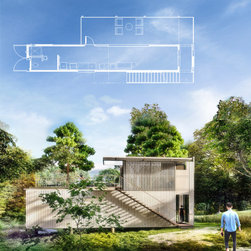
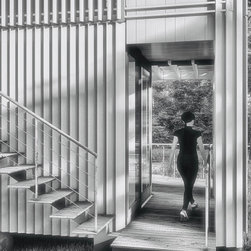
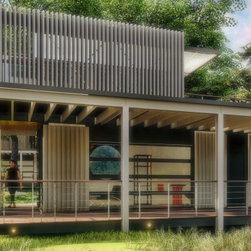
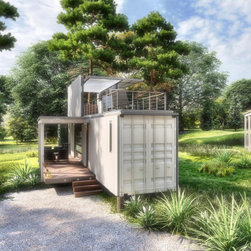
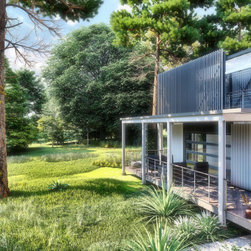
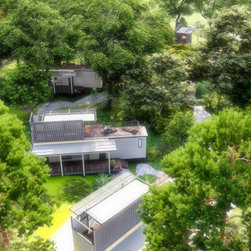
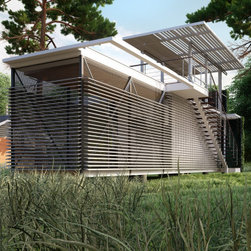
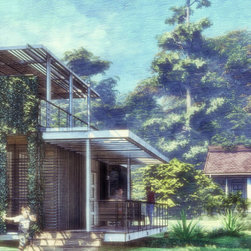
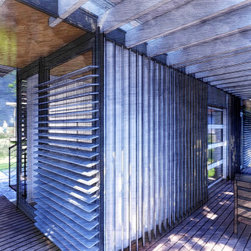
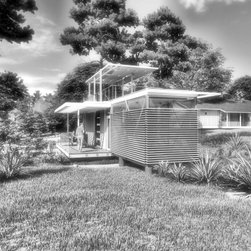
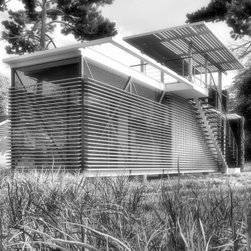
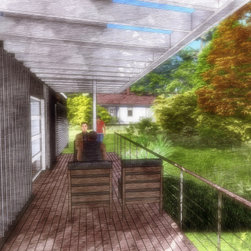
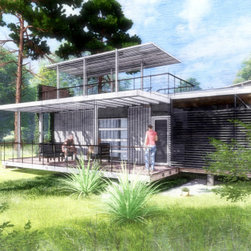
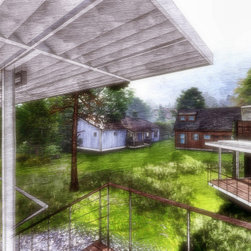
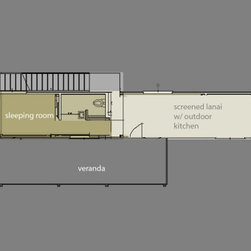
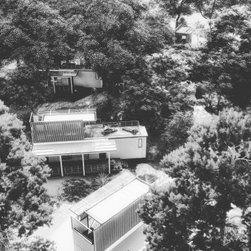
Here presented are the Wedgewood Dwellings. Housing that is Attuned, Unassuming, and Sustainable. This dwelling is simply appointed and designed as an adaptive module anchored to its place. This housing proposes in-fill development that will enrich the neighborhood and celebrate the virtues of this community. From the pier foundations elevating the home above grade to the rooftop overlooks, this project was conceived with resilience and sustainability in mind. One key facet of the design was to develop spatial encouragement toward healthy living by synthesizing the tenets of well-being into constructed form. We accomplished this through kinetic programming, a permeability between inside and outside space, and a reverent approach to the ecology of place. The exterior envelope selection allowed the building to capitalize on the efficiency of repurposing a steel container envelope. The rainscreen, made of thermally modified wood, enshrouds the steel structured walls that are specified to be sprayed with an R-19 ceramic coating and the interior is primarily clad in bamboo plywood. The project welcomes its inhabitants with intimate volumes, the benefit of which is an immediate connection to Nature as natural light is a central theme of all its occupied spaces and this is accomplished by operable windows and a 8-foot wide glazed garage door enclosing the main living space and opening to a shaded exterior deck. These envelope perforations also lend each interior volume access to natural ventilation and opportunities for cross-ventilation. To address inclusivity, the cottage offers two levels of external space, one accessible at ground and the other elevated to the roof level and ensuring proprioceptive diversity. This is a simple volume designed to support the complexities of experience found by sensitively dwelling in nature.
Center for Architecture Sarasota Tiny House Competition
2nd Place Award
Here presented are the Wedgewood Dwellings. Housing that is Attuned, Unassuming, and Sustainable. This dwelling is simply appointed and designed as an adaptive module anchored to its place. This housing proposes in-fill development that will enrich the neighborhood and celebrate the virtues of this community. From the pier foundations elevating the home above grade to the rooftop overlooks, this project was conceived with resilience and sustainability in mind. One key facet of the design was to develop spatial encouragement toward healthy living by synthesizing the tenets of well-being into constructed form. We accomplished this through kinetic programming, a permeability between inside and outside space, and a reverent approach to the ecology of place. The exterior envelope selection allowed the building to capitalize on the efficiency of repurposing a steel container envelope. The rainscreen, made of thermally modified wood, enshrouds the steel structured walls that are specified to be sprayed with an R-19 ceramic coating and the interior is primarily clad in bamboo plywood. The project welcomes its inhabitants with intimate volumes, the benefit of which is an immediate connection to Nature as natural light is a central theme of all its occupied spaces and this is accomplished by operable windows and a 8-foot wide glazed garage door enclosing the main living space and opening to a shaded exterior deck. These envelope perforations also lend each interior volume access to natural ventilation and opportunities for cross-ventilation. To address inclusivity, the cottage offers two levels of external space, one accessible at ground and the other elevated to the roof level and ensuring proprioceptive diversity. This is a simple volume designed to support the complexities of experience found by sensitively dwelling in nature.
Center for Architecture Sarasota Tiny House Competition
2nd Place Award
Project Year: 2020
Project Cost: $75,001 - $100,000