
n_serdiuk Eclectic Landscape, San Francisco
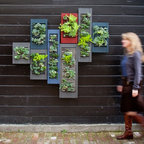
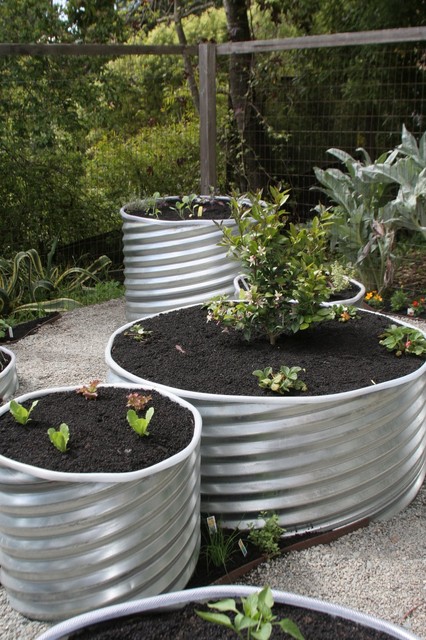
This is an example of an eclectic vegetable garden landscape in San Francisco. — Houzz
Related Professionals in San Francisco
This photo has 13 questions

linx66 wrote:

alwaysdesigning
Culverts rust, i.e., these will rust. Need to protect the finish with something sprayed on the outside.
2 Likes
Save
linx66
Interesting. Didn't know. Thank you. Will buy spray when out of hibernation.
1 Like
Save
texasbelle wrote:

Kay Wallace
I have seen cattle feed troughs and water troughs done this way. There's different sizes, won't have to worry about sharp edges. In this area we have Scruggs tractor supplies that would have these.
Like
Save

Rick Ucci
You could also use foam garage door insulation tubes, they are already slit and have adhesive.
1 Like
Save

durangomary wrote:
Like 5 Comments

Patricia Miles
This is brilliant!
Like
Save
jaceymae
What diameter are you using, especially the smaller one on the left of the real large one centrally located?
Like
Save
angelabell wrote:
lukemaura
I would also like to know.
Like
Save
peppy122149
LOVE THEM TOO, BUT IN LOUISIANA !!!!
Like
Save

Prideaux Design wrote:

PRO
NATALIE SERDIUK
Hi, Kathryn. If its still relevant i can provide images, please let me know if you need them. All apologies for delay. Busy summer! Thank you.
1 Like
Save
PRO
Prideaux Design
Thanks Natalie! The conference was a couple of weeks ago. No worries! Good to have a busy summer : )
Like
Save
sandycfrd wrote:
cerrodelaire
Really gr8 idea for raised beds! How did you cut the culverts?
1 Like
Save

Rose Perez wrote:
Like Comment
panhangle wrote:
Like Comment
panhangle wrote:
Like Comment
my1fatkitty wrote:
Like Comment

Robin McCarthy wrote:
Like Comment
blainegnos wrote:
Like Comment
What Houzz contributors are saying:

Susan Stieglitz added this to Corrugated Galvanized Iron
These water troughs used as planting beds are made of the same iron with a zinc coating as CGI.Browse more corrugated galvanized iron photos

Kim Gamel added this to Pick the Right Plant Pot to Flatter Your Landscape
Galvanized steel containers are imaginative and edgy, lending a sculptural quality to arrangements. This lightweight material wears well, making it a clever choice for a container garden.
Kim Gamel added this to Container Gardening Basics: The Dirt on Soil
DIY Potting MixCommercial mixes can be pricey, so if you need a large amount of potting soil, you might consider making your own potting mix. To create it, mix one part garden soil, one part peat moss and one part perlite or coarse sand. If using your own garden soil, avoid using soil near any diseased plants; it’s actually recommended that you “pasteurize” it by baking it in an oven at 250 degrees for about 45 minutes. This helps get rid of harmful organisms or diseases.Whether you use a bagged mix or create your own, add an organic fertilizer to ensure the plants receive the proper nutrients to flourish. (Check the label on any bagged mix first to make sure fertilizer isn't already included). You can easily incorporate a granular, slow-release fertilizer to feed your plants over a period of time.Read more about Container Gardens on HouzzMore: How to Pick a Mulch — and Why Your Soil Wants It
Kim Gamel added this to Container Garden Basics: How and When to Water Potted Plants
Check the SoilThe best way to tell if a plant needs water is to feel the soil. If the first inch or so of soil is dry to the touch and the plant has average water requirements, it’s time to water. If the plant requires moist soil, you don’t want it to get dry to the touch. This can mean watering at least daily, and more often in drier climates.

J. Peterson Garden Design added this to 8 Materials for Raised Garden Beds
Galvanized CulvertGalvanized culverts are typically used for drainage under roadways, but when sliced into sections, they can make wonderfully stylish planters for a contemporary garden. Many building supply stores carry culverts, but you can also look online for "free for pickup" culverts that are being disposed of.Pros: Culverts have a cool contemporary look, are fairly readily available, are easy to install (no assembly required) and can be a permanent feature in your garden. In addition, you will have more control over the height and overall size of your planter than you would if you used stock tanks.Cons: You might have to call around to locate exactly what you want, and when you find a length of pipe in the desired width, you will need to pay to have it cut into sections to use as planters. To transport the sections home, you will need a truck or you will have to arrange for delivery, usually at an additional cost. Culverts are more expensive than galvanized stock tanks.Cost: Culverts typically come in 20- to 30-foot lengths and a wide variety of widths. You could get 15 2-foot-tall, 36-inch-wide planters for about $900.

Laura Gaskill added this to 12 Ways to Get the Industrial Look for Less
11. Galvanized culvert as planter. Search Craigslist for a freebie culvert section — if it's too big, you can pay to have it cut to your specifications. These work as is outdoors, but if you added a bottom and finish the top edge they would make amazing planters inside the house.

Jess McBride added this to Yes, You Can Grow a Plant In That
From Around TownAlternatively, if you happen to have a contact in the public works department, see about picking up a galvanized culvert that is being retired from its post beneath the urban jungle.