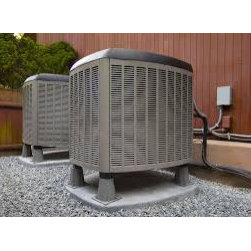


Estimating Air Conditioning Installation Expenses: A Comprehensive Guide
Air conditioning is a modern-day necessity for many homes and businesses, providing comfort and a respite from sweltering heat. However, the installation of an air conditioning system can be a significant investment, and it's crucial to have a clear understanding of the expenses involved. In this guide, we'll delve into the factors that influence air conditioning installation costs and provide insights on how to estimate these expenses effectively.
Factors Influencing Air Conditioning Installation Costs
Estimating Installation Expenses
Tips for Cost Savings
While air conditioning installation is a significant investment, there are ways to optimize costs without compromising quality:
Conclusion
Estimating air conditioning installation expenses requires careful consideration of various factors, including the type of system, size of the area, installation complexity, and efficiency ratings. By obtaining multiple quotes, evaluating long-term savings, and planning for potential additional costs, you can make informed decisions and ensure a smooth and cost-effective installation process. Remember to prioritize quality, energy efficiency, and professional installation to maximize the lifespan and performance of your air conditioning system.
Factors Influencing Air Conditioning Installation Costs
- Type of System: The type of air conditioning system you choose greatly impacts the installation costs. Central air conditioning systems tend to be more expensive than window units or ductless mini-split systems due to their complexity and the need for ductwork installation.
- Size of the Area: The size of the area to be cooled is a crucial factor. Larger spaces require more powerful air conditioning systems, which can result in higher installation costs.
- Efficiency Rating: Energy-efficient systems, indicated by SEER (Seasonal Energy Efficiency Ratio) ratings, may have a higher upfront cost but can lead to long-term savings on energy bills. Consider the balance between initial investment and long-term operational costs.
- Ductwork Requirements: For central air conditioning systems, the presence or absence of existing ductwork significantly impacts installation costs. Installing new ductwork can add to the expenses, especially if extensive modifications are needed.
- Installation Complexity: The complexity of the installation process, such as accessibility to the installation site, electrical work, and potential structural modifications, can influence the overall cost.
- Brand and Quality: Different brands offer varying levels of quality and pricing. While reputable brands may come with a higher price tag, they often offer better reliability and performance.
- Additional Features: Features like zoning capabilities, programmable thermostats, and advanced filtration systems can enhance comfort but may also add to the upfront costs.
Estimating Installation Expenses
- Obtain Multiple Quotes: Start by obtaining quotes from multiple HVAC (Heating, Ventilation, and Air Conditioning) contractors. Compare the quotes carefully, ensuring they include all necessary components and labor costs.
- Consider System Efficiency: Factor in the long-term savings of energy-efficient systems. While they may cost more initially, they can lead to lower utility bills over time, making them a wise investment.
- Evaluate Ductwork Needs: If your home or building doesn't have existing ductwork, get a detailed assessment of the ductwork requirements and associated costs. Consider ductless options if ductwork installation is too costly or impractical.
- Review Warranty and Maintenance Plans: Factor in the warranty offered by the manufacturer and any maintenance plans provided by the installer. A comprehensive warranty and regular maintenance can prolong the lifespan of your air conditioning system.
- Budget for Additional Expenses: Anticipate potential additional expenses such as permits, electrical upgrades, and possible structural modifications. Including these in your budget ensures there are no surprises during the installation process.
- Explore Financing Options: If the upfront cost is a concern, explore financing options offered by HVAC companies or through third-party lenders. Be sure to understand the terms, interest rates, and repayment schedule before committing.
- Plan for Future Needs: Consider your future cooling needs. Investing in a slightly larger system than currently needed can accommodate future expansions or changes in your living or working space.
Tips for Cost Savings
While air conditioning installation is a significant investment, there are ways to optimize costs without compromising quality:
- Seasonal Timing: Schedule installation during off-peak seasons when HVAC companies may offer discounts or promotions.
- Energy Efficiency Rebates: Inquire about available rebates or incentives for installing energy-efficient air conditioning systems. These can help offset the initial costs.
- Bundle Services: If you're also considering other HVAC upgrades or repairs, bundling services with the installation can sometimes lead to cost savings.
- DIY Preparation: Clearing the installation site, ensuring proper electrical connections, and addressing any structural issues beforehand can reduce labor costs.
- Regular Maintenance: Invest in regular maintenance to keep your air conditioning system operating efficiently, thus avoiding costly repairs or premature replacement.
Conclusion
Estimating air conditioning installation expenses requires careful consideration of various factors, including the type of system, size of the area, installation complexity, and efficiency ratings. By obtaining multiple quotes, evaluating long-term savings, and planning for potential additional costs, you can make informed decisions and ensure a smooth and cost-effective installation process. Remember to prioritize quality, energy efficiency, and professional installation to maximize the lifespan and performance of your air conditioning system.
Project Year: 2024
Project Cost: $1,000 - $2,500