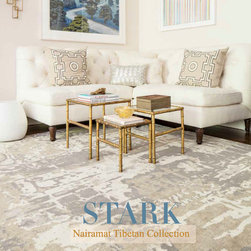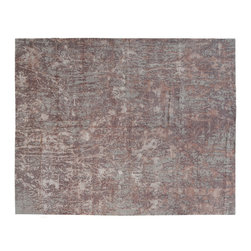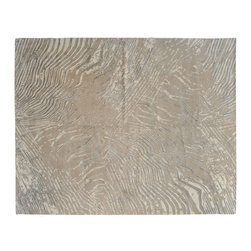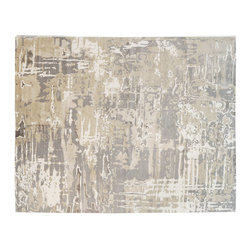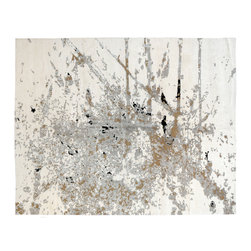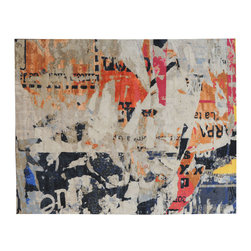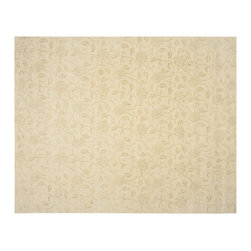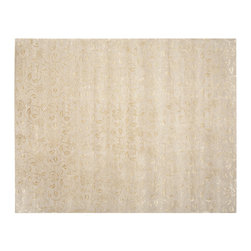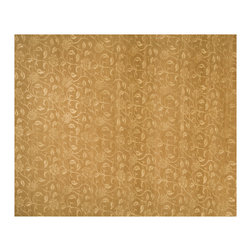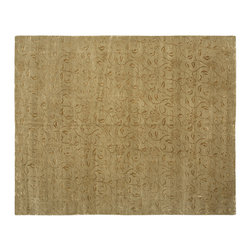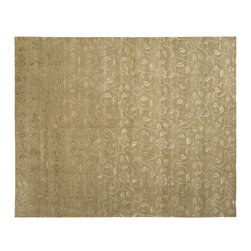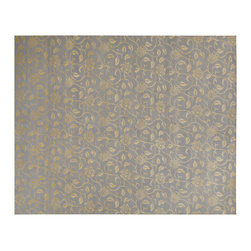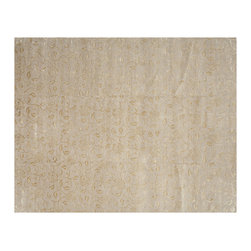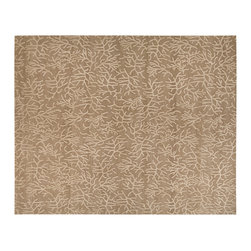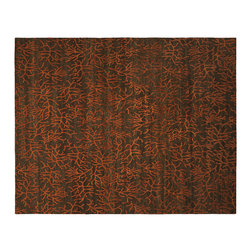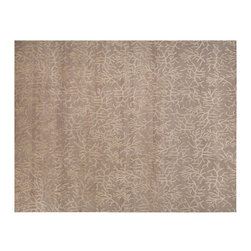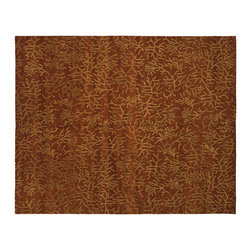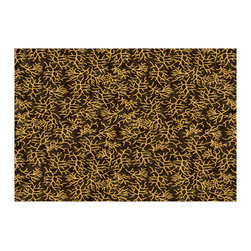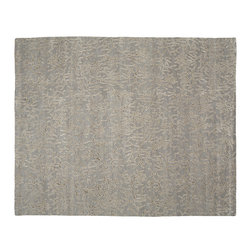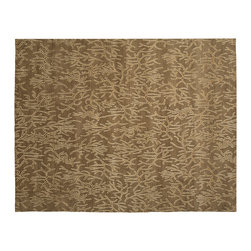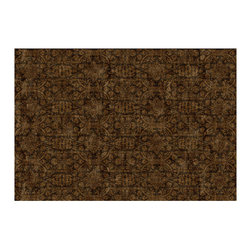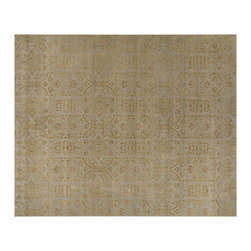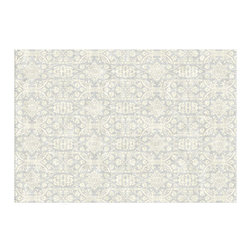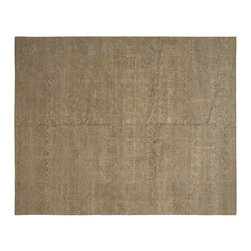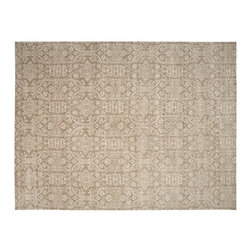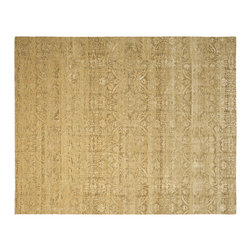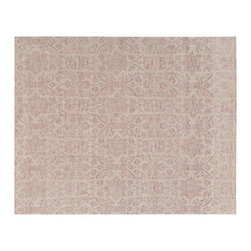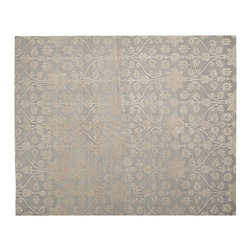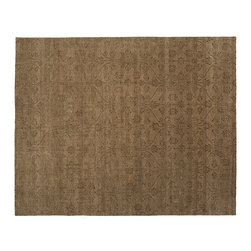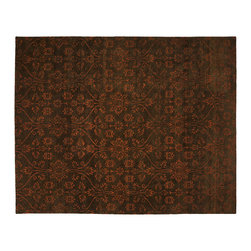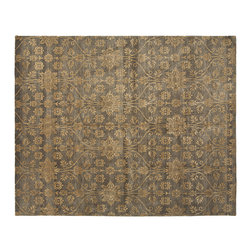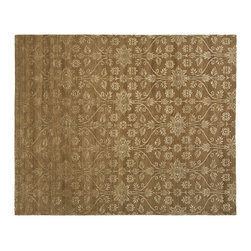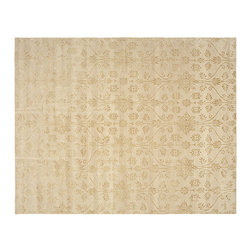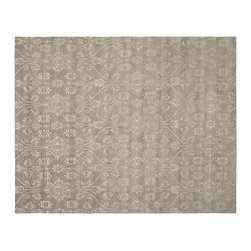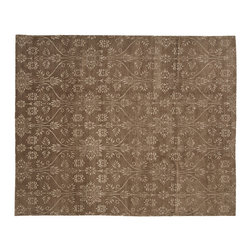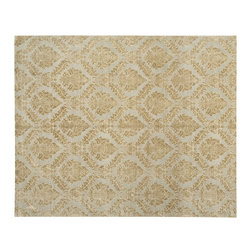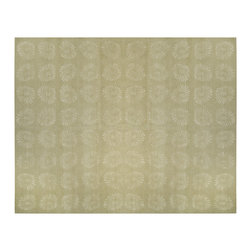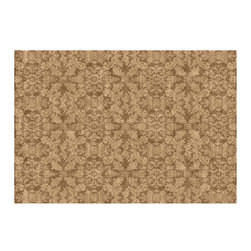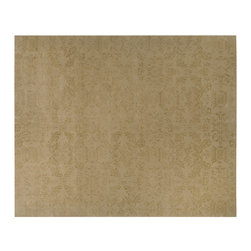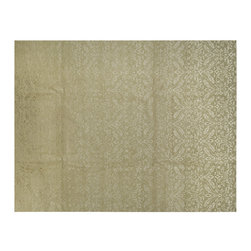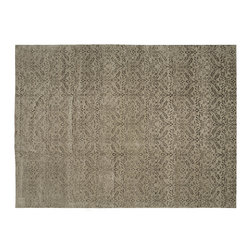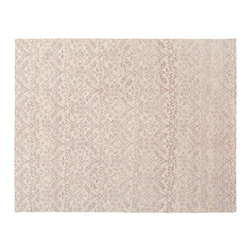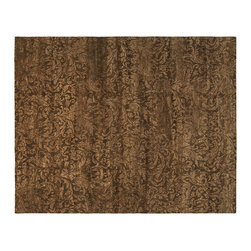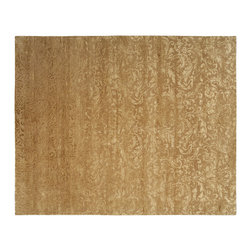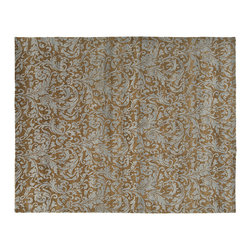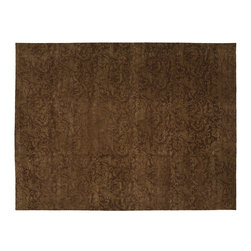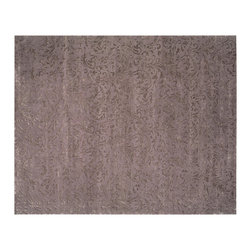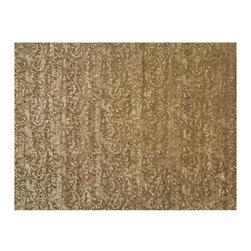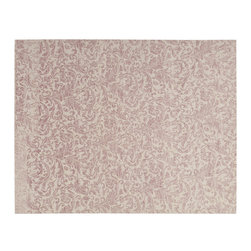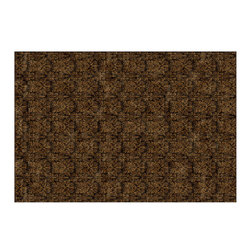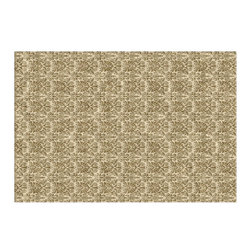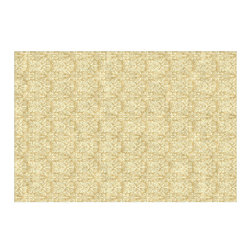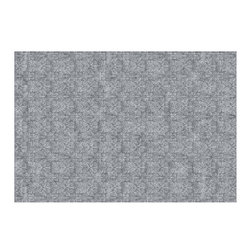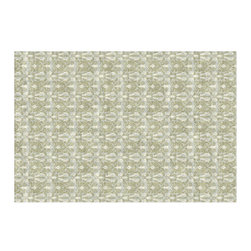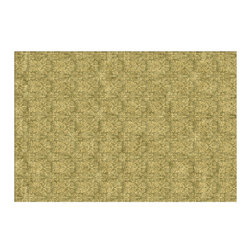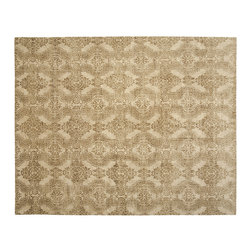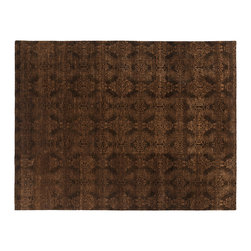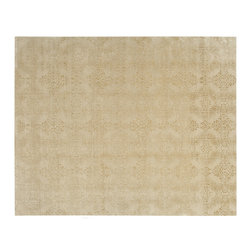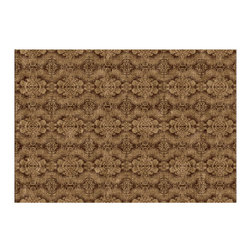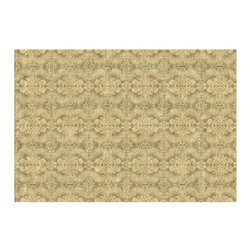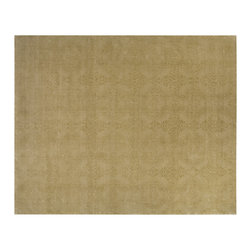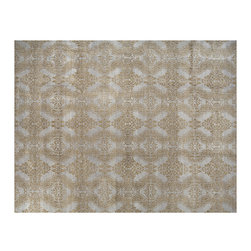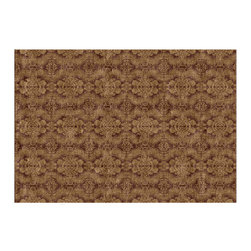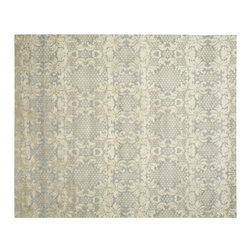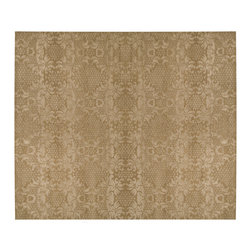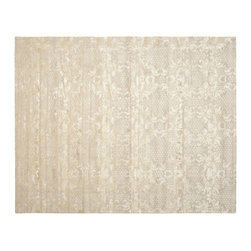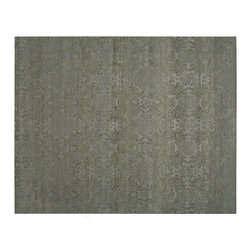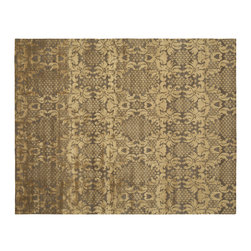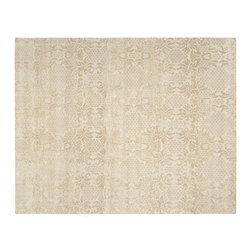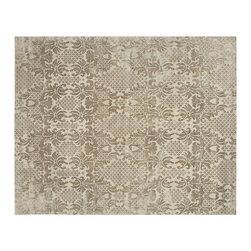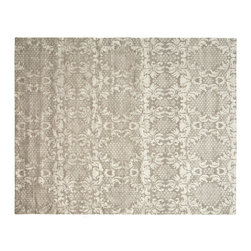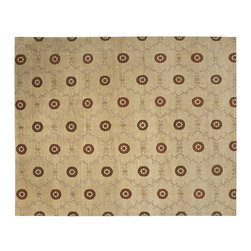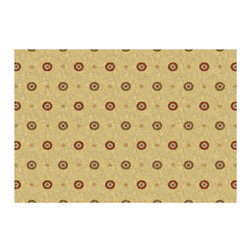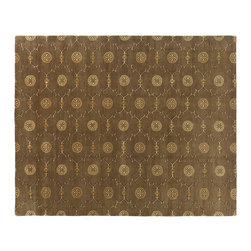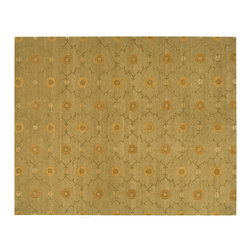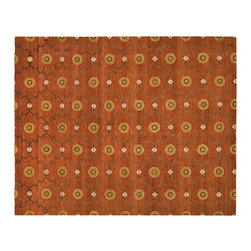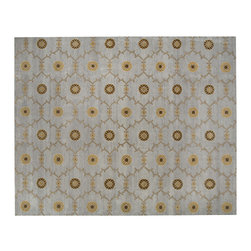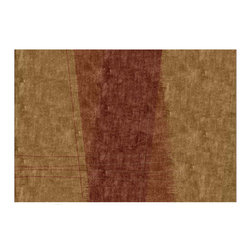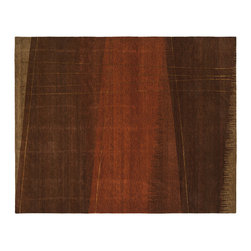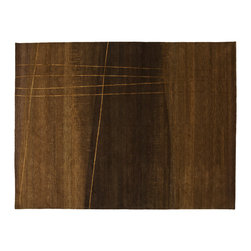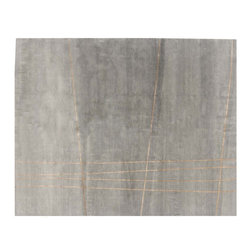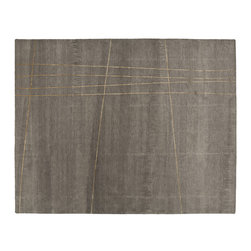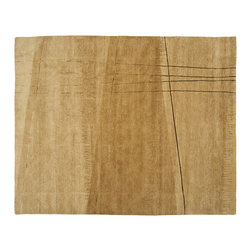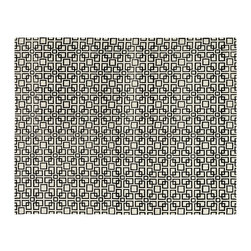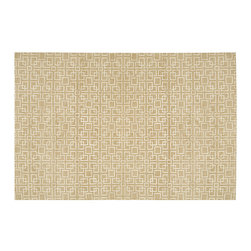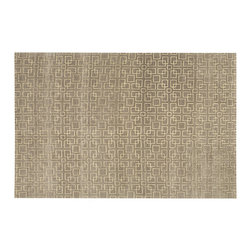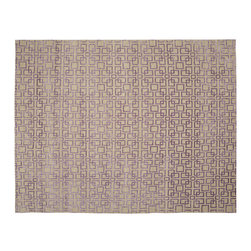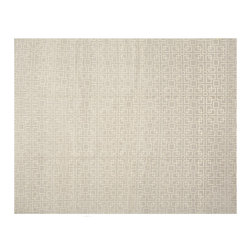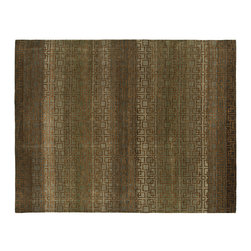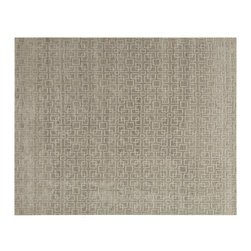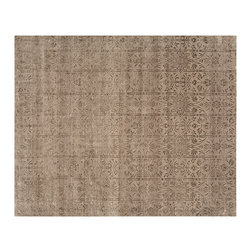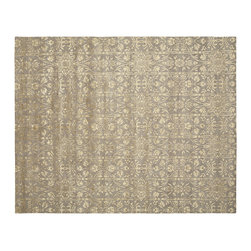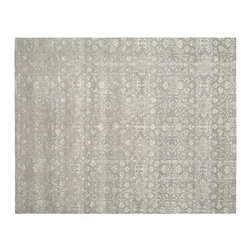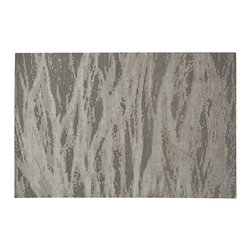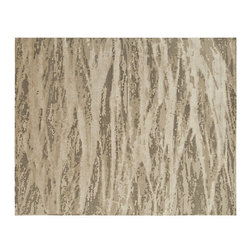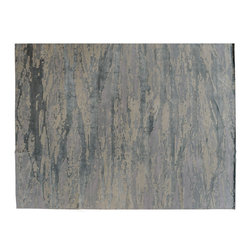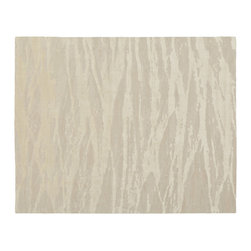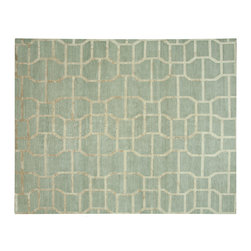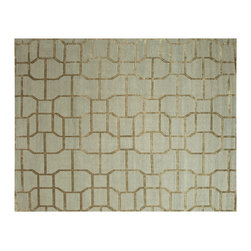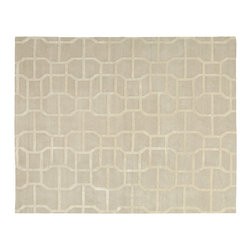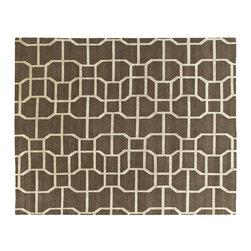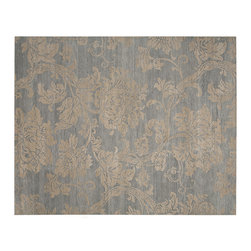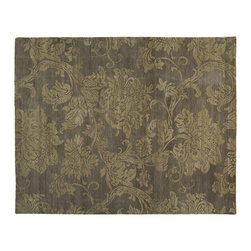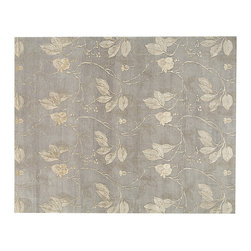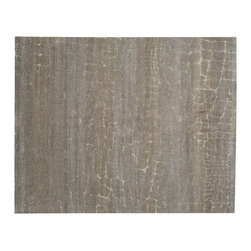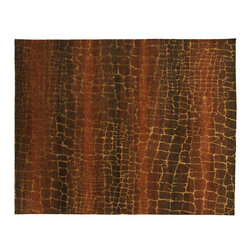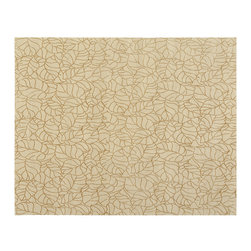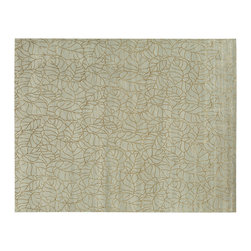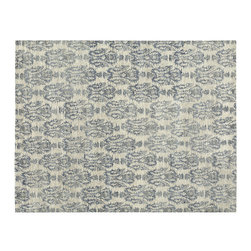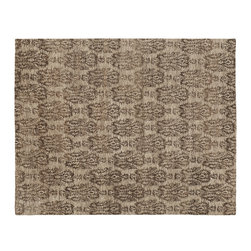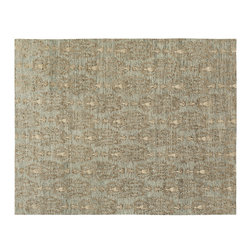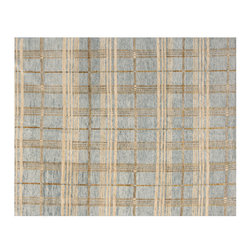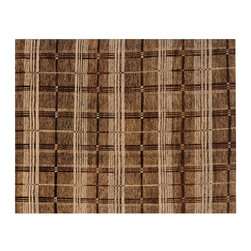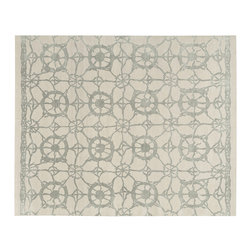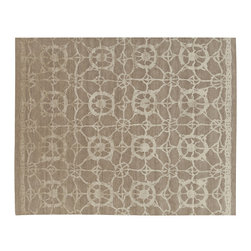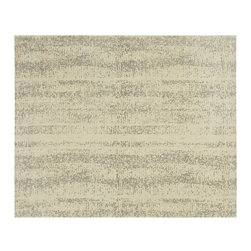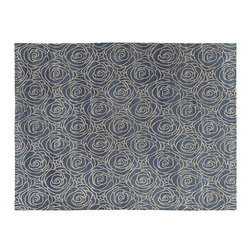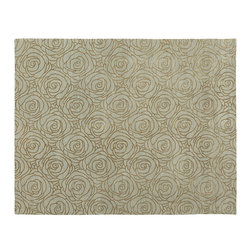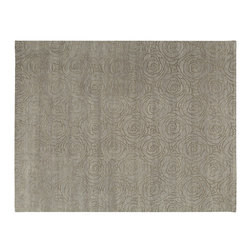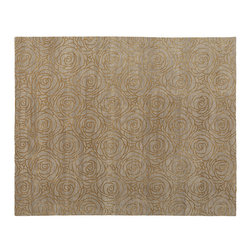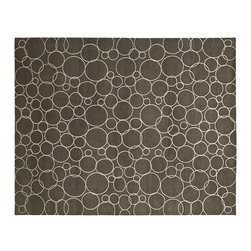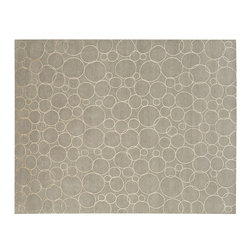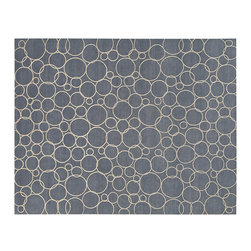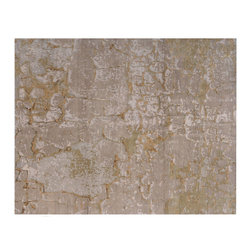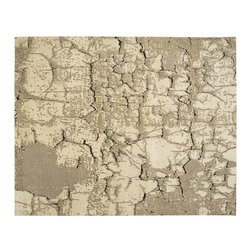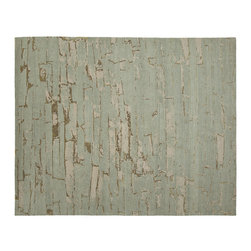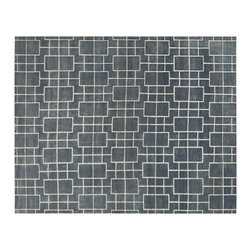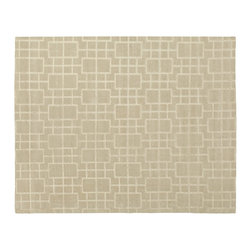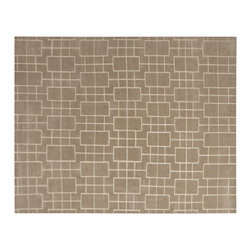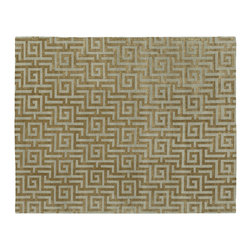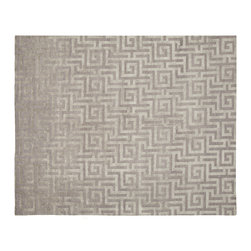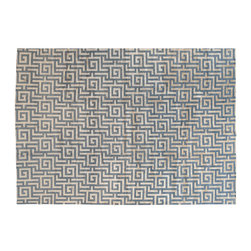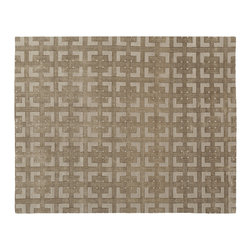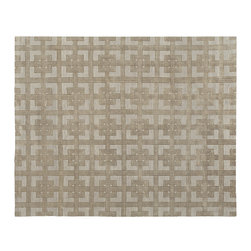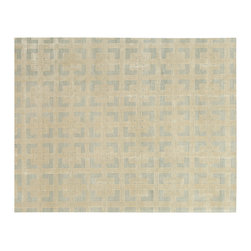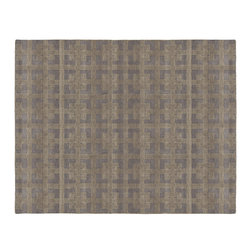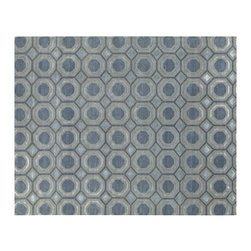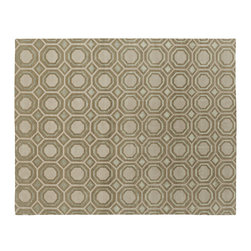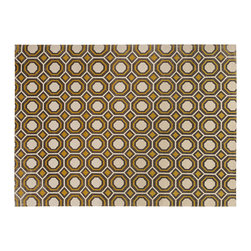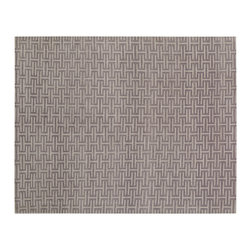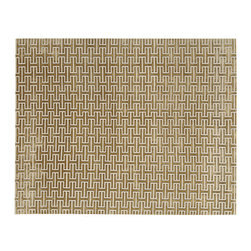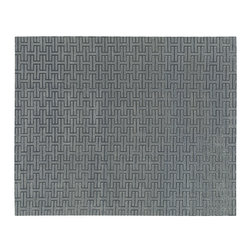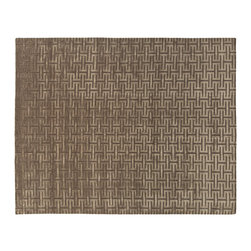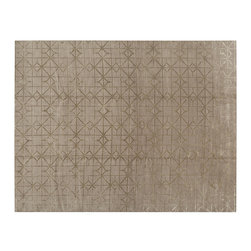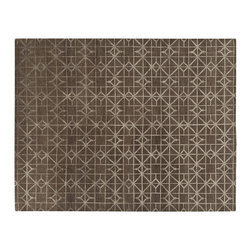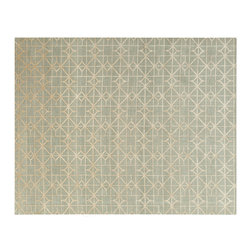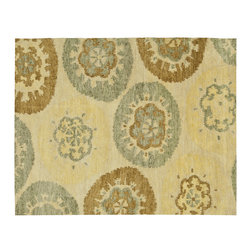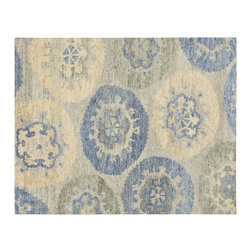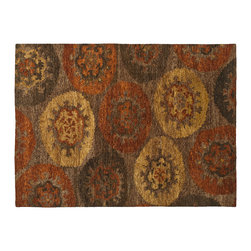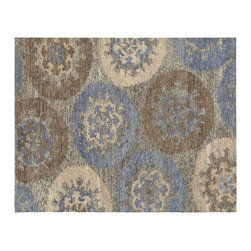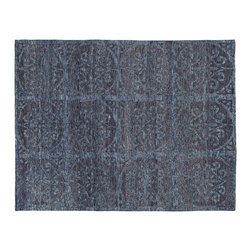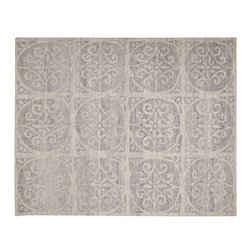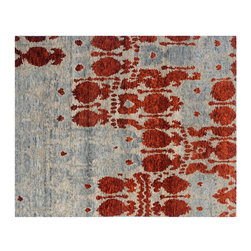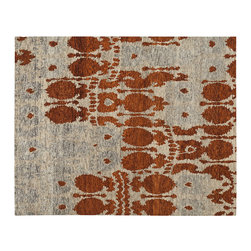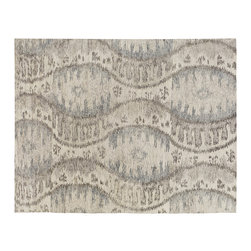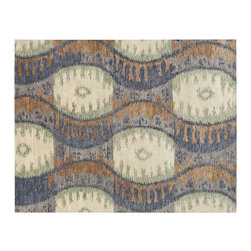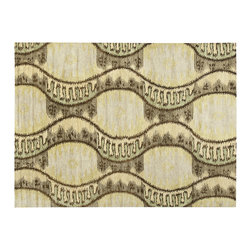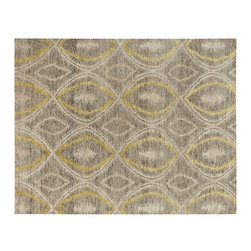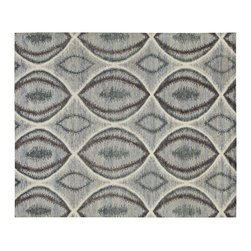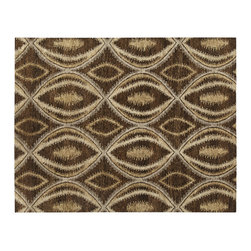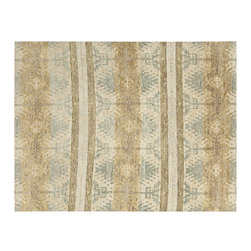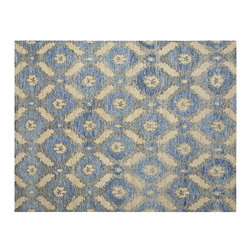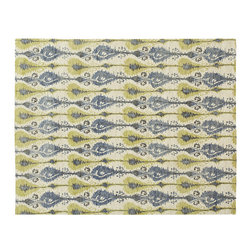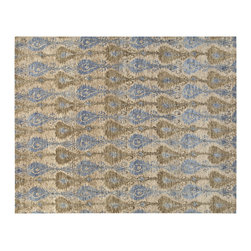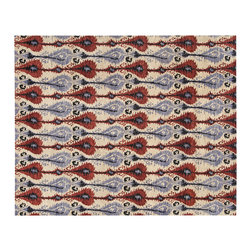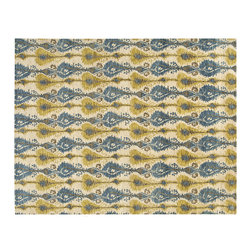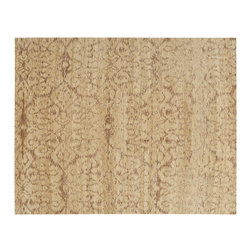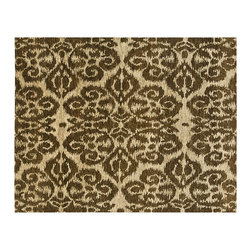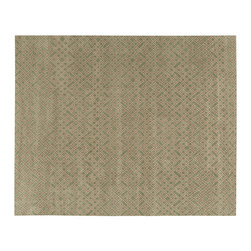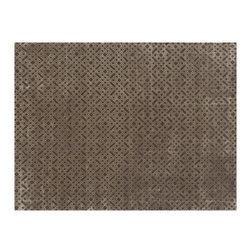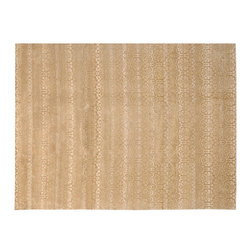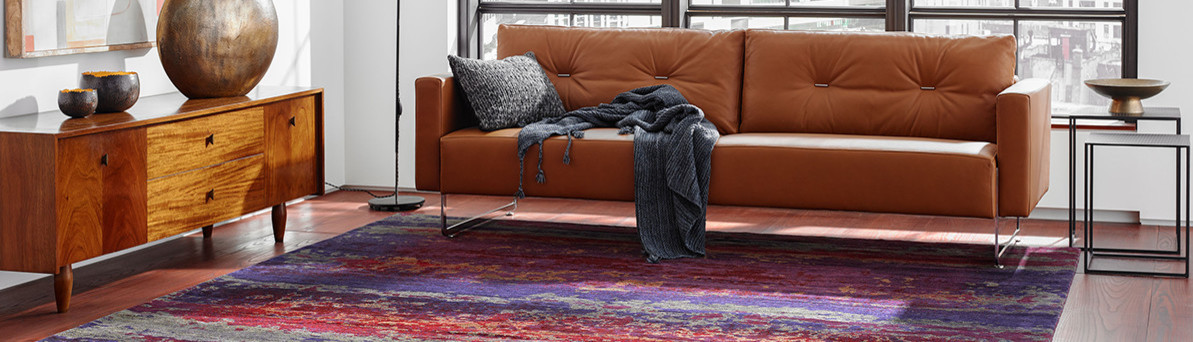

Nairamat Tibetan Collection
Tibetan Rug Product Summary
Method
A Nairamat Rug is a true work of art. Every step of production is done with the care and touch of the human hand. The techniques and tools have remained unchanged for centuries. The materials are the finest nature offers: from the lanolin-rich, hand carded, handspun Tibetan wool, to the pot-dying process. Nairamat’s dye masters use environmentally-friendly Nylosan/ Optilan Swiss dyes to enhance the wool’s natural boldness and luster, while maintaining colorfastness for decades to come. Each rug is woven on an upright loom using the Tibetan Loop Senneh knot. When weaving is complete, the rug is cut from the loom, sheared and trimmed, and given a final wash to bring out the rich hues and variations that are the hallmark of every Stark Tibetan rugs.
Wool
Only the finest native Tibetan Wool is used in our rugs. Tibetan highland sheep freely roam the Tibetan plateau at elevations over 10,000 feet. Because the sheep roam freely in the wild, the wool they produce is strong and very high in lanolin, which makes Tibetan wool one of the finest natural fibers in the world. Sorters separate the wool by hand and select only the variations of natural white that meet our dye masters standards. It is then washed, carded, and spun entirely by hand giving our Nairamat rugs the raw, organic texture for which they are known. Since we value the high lanolin content of the wool for both its natural stain resistance and its lustrous texture, we do not wash our wool with chemicals or bleach before the dying process.
Dyeing
To ensure color consistency, all wool is dyed onsite using the age-old method of pot dying. Our dye masters submerge, simmer and spin the wool with the finest Swiss dyes to reach the optimal color saturation. In keeping with our commitment to minimal environmental impact, the dyes applied are the metal-free Nylosan/Optilan brand. These organic dyes, as offered by Clariant, are solid nonvolatile materials, and emit no off-gases. Offering a standard pallet of over 1200 colors, Nairamat Rugs use a consistent formula to ensure the wool dyed years ago matches the wool that is dyed today.
Weaving
Every rug is woven by hand using the Tibetan Loop Senneh knot, by which each knot is tied around two warp threads and then looped around a metal rod. When an entire row of knots is completed they are cut from the rod which then exposes a pile. The weavers use what we call a “cartoon graph”, which is a full scale version of the rug that the weavers follow knot by knot.
Trimming
Every rug is trimmed and sheared meticulously by hand after the washing process. The trimming gives each motif its definition and detail while the shearing levels the surface of the rug to the same consistency.
Washing
Wash-water is used from our own water purification plant. The rugs are washed with plain water, no heavy detergents or chemicals are used. This process ensures that our rugs are free of chemicals and that they continue to keep the sheep’s natural Lanolin oil in the finished rug. Each rug is washed three times and then sun dried to bring out the rich hues and variations that are the hallmark of every Stark Tibetan rugs.
Environment / Humanity
In accordance with our dedication to the production of Nairamat rugs, we are committed to giving back to the community as well as advocating for the natural environment of Nepal. Each facility has a water purification system for both the dying and washing as well as for the employees. The medical facility looks after the daily care of all employees. We participate with TLC (Tibetan Labor Certification) to ensure that our rugs are free from forced or child labor.
Method
A Nairamat Rug is a true work of art. Every step of production is done with the care and touch of the human hand. The techniques and tools have remained unchanged for centuries. The materials are the finest nature offers: from the lanolin-rich, hand carded, handspun Tibetan wool, to the pot-dying process. Nairamat’s dye masters use environmentally-friendly Nylosan/ Optilan Swiss dyes to enhance the wool’s natural boldness and luster, while maintaining colorfastness for decades to come. Each rug is woven on an upright loom using the Tibetan Loop Senneh knot. When weaving is complete, the rug is cut from the loom, sheared and trimmed, and given a final wash to bring out the rich hues and variations that are the hallmark of every Stark Tibetan rugs.
Wool
Only the finest native Tibetan Wool is used in our rugs. Tibetan highland sheep freely roam the Tibetan plateau at elevations over 10,000 feet. Because the sheep roam freely in the wild, the wool they produce is strong and very high in lanolin, which makes Tibetan wool one of the finest natural fibers in the world. Sorters separate the wool by hand and select only the variations of natural white that meet our dye masters standards. It is then washed, carded, and spun entirely by hand giving our Nairamat rugs the raw, organic texture for which they are known. Since we value the high lanolin content of the wool for both its natural stain resistance and its lustrous texture, we do not wash our wool with chemicals or bleach before the dying process.
Dyeing
To ensure color consistency, all wool is dyed onsite using the age-old method of pot dying. Our dye masters submerge, simmer and spin the wool with the finest Swiss dyes to reach the optimal color saturation. In keeping with our commitment to minimal environmental impact, the dyes applied are the metal-free Nylosan/Optilan brand. These organic dyes, as offered by Clariant, are solid nonvolatile materials, and emit no off-gases. Offering a standard pallet of over 1200 colors, Nairamat Rugs use a consistent formula to ensure the wool dyed years ago matches the wool that is dyed today.
Weaving
Every rug is woven by hand using the Tibetan Loop Senneh knot, by which each knot is tied around two warp threads and then looped around a metal rod. When an entire row of knots is completed they are cut from the rod which then exposes a pile. The weavers use what we call a “cartoon graph”, which is a full scale version of the rug that the weavers follow knot by knot.
Trimming
Every rug is trimmed and sheared meticulously by hand after the washing process. The trimming gives each motif its definition and detail while the shearing levels the surface of the rug to the same consistency.
Washing
Wash-water is used from our own water purification plant. The rugs are washed with plain water, no heavy detergents or chemicals are used. This process ensures that our rugs are free of chemicals and that they continue to keep the sheep’s natural Lanolin oil in the finished rug. Each rug is washed three times and then sun dried to bring out the rich hues and variations that are the hallmark of every Stark Tibetan rugs.
Environment / Humanity
In accordance with our dedication to the production of Nairamat rugs, we are committed to giving back to the community as well as advocating for the natural environment of Nepal. Each facility has a water purification system for both the dying and washing as well as for the employees. The medical facility looks after the daily care of all employees. We participate with TLC (Tibetan Labor Certification) to ensure that our rugs are free from forced or child labor.