

Creating a Home That Feels Calm, Personal, and Intentionally Designed
In recent years, the idea of home has evolved far beyond functionality. Homes are no longer just places to sleep, eat, and store belongings. They have become personal sanctuaries that reflect values, routines, and emotional needs. Whether you live in a compact apartment or a spacious family home, the way you shape your interior can directly influence how calm, energized, or grounded you feel on a daily basis.
Designing a home that feels welcoming does not require constant renovations or expensive upgrades. Often, it is the thoughtful layering of materials, scents, textures, and small rituals that creates a space people genuinely enjoy returning to.
The Shift Toward Comfort-Driven Interiors
One of the most noticeable trends in home design is the emphasis on comfort. This does not mean sacrificing style, but rather redefining what luxury looks like. Soft lighting, warm materials, and tactile surfaces are replacing overly polished or rigid interiors.
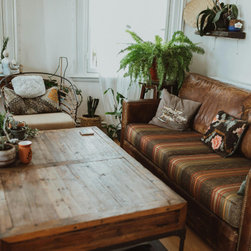
Living rooms are being designed with deeper seating, layered textiles, and flexible layouts that encourage conversation or quiet downtime. Bedrooms are moving away from stark minimalism and toward softer palettes that support rest and recovery. Even kitchens and bathrooms are increasingly viewed as wellness-oriented spaces rather than purely functional ones.
This shift reflects a broader desire to slow down and reconnect with the home as a place of restoration.
How Small Details Shape the Atmosphere
While furniture and layout form the foundation of a home, smaller elements often have the greatest emotional impact. Decorative objects, personal collections, and sensory details can subtly influence how a space feels without overwhelming it.
For example, a bedside table styled with a ceramic lamp, a linen-bound book, and a calming scent can turn an ordinary bedroom into a retreat. In living areas, natural materials such as wood, stone, and glass help soften the environment and introduce visual warmth.
These details work best when they are intentional rather than excessive. Choosing fewer objects that carry meaning often creates a stronger sense of harmony than filling shelves with decor for the sake of styling.
The Role of Scent in Home Design
Scent is one of the most overlooked elements of interior design, yet it has a powerful effect on mood and memory. A familiar or soothing aroma can instantly make a home feel more inviting, while harsh or synthetic scents can disrupt the sense of calm.
Many homeowners now incorporate scent as part of their interior experience, treating it much like lighting or color. Essential oil blends, botanical soaps, and natural bath products can help define the atmosphere of private spaces such as bathrooms and bedrooms.
Thoughtfully chosen bath and body items can also enhance everyday routines. A guest bathroom stocked with gentle, naturally scented products sends a subtle message of care and attention. In primary bathrooms, surrounding daily rituals with calming textures and scents can turn functional moments into grounding experiences.
For those who appreciate natural, handcrafted details in the home, brands like Lizush
offer bath and body products that align well with a wellness-focused interior philosophy, blending seamlessly into spaces designed around comfort and intentional living.
Designing Bathrooms as Personal Sanctuaries
Bathrooms are increasingly seen as spaces for relaxation rather than quick transitions. Homeowners are investing in softer lighting, warmer finishes, and materials that feel pleasant to the touch.
Elements such as wooden bath trays, stone accessories, and linen towels help create a spa-like atmosphere without major renovations. Storage choices also play a role. Keeping countertops uncluttered while displaying a few thoughtfully selected items maintains a sense of order and calm.
Natural bath products, displayed neatly rather than hidden away, can become part of the visual design. When packaging is simple and materials are thoughtfully chosen, everyday items contribute to the overall aesthetic rather than detracting from it.
Creating Meaningful Guest Experiences at Home
Hospitality is no longer limited to special occasions. Many homeowners are designing their spaces to make guests feel comfortable and cared for during everyday visits.
This might involve preparing a cozy reading nook, offering soft throws on the sofa, or paying attention to details in guest bedrooms and bathrooms. Small gestures such as personalized notes, quality linens, or carefully selected toiletries often leave a lasting impression.
Gift-giving within the home also plays a role in how spaces are experienced. A thoughtfully curated gift placed in a guest room or offered during a visit reflects the same design sensibility as the home itself. When gifts feel personal rather than generic, they reinforce the atmosphere of warmth and intention.
The Emotional Value of Handmade and Natural Elements
As mass-produced items become increasingly common, many people are drawn to handmade and natural products that tell a story. These pieces often carry a sense of authenticity that resonates within the home.
Handcrafted ceramics, woven textiles, and small-batch bath products introduce subtle imperfections that make a space feel lived-in rather than staged. They also reflect a growing awareness of sustainability and mindful consumption.
Choosing fewer, higher-quality items that align with personal values can make a home feel more grounded and expressive over time.
Balancing Aesthetics With Daily Life
A well-designed home should support daily routines rather than complicate them. While visual appeal matters, comfort and practicality are equally important.
Storage solutions that reduce clutter, lighting that adapts to different times of day, and materials that age gracefully all contribute to a space that remains functional and beautiful over the long term.
The most successful interiors are those that evolve naturally with the people who live in them. Rather than chasing trends, focusing on how a space makes you feel often leads to more satisfying design choices.
Home as an Extension of Personal Wellbeing
Ultimately, the way a home is designed reflects how its occupants value their time, comfort, and emotional wellbeing. From the layout of a room to the products used in daily rituals, each choice contributes to the overall experience of living in the space.
By prioritizing comfort, natural materials, and thoughtful details, homeowners can create environments that support relaxation, connection, and self-care. A home designed with intention becomes more than a backdrop for life. It becomes an active participant in daily wellbeing.
As design continues to move toward personalization and wellness, the most meaningful homes will be those that feel authentic, nurturing, and uniquely reflective of the people who live within them.
Designing a home that feels welcoming does not require constant renovations or expensive upgrades. Often, it is the thoughtful layering of materials, scents, textures, and small rituals that creates a space people genuinely enjoy returning to.
The Shift Toward Comfort-Driven Interiors
One of the most noticeable trends in home design is the emphasis on comfort. This does not mean sacrificing style, but rather redefining what luxury looks like. Soft lighting, warm materials, and tactile surfaces are replacing overly polished or rigid interiors.
Living rooms are being designed with deeper seating, layered textiles, and flexible layouts that encourage conversation or quiet downtime. Bedrooms are moving away from stark minimalism and toward softer palettes that support rest and recovery. Even kitchens and bathrooms are increasingly viewed as wellness-oriented spaces rather than purely functional ones.
This shift reflects a broader desire to slow down and reconnect with the home as a place of restoration.
How Small Details Shape the Atmosphere
While furniture and layout form the foundation of a home, smaller elements often have the greatest emotional impact. Decorative objects, personal collections, and sensory details can subtly influence how a space feels without overwhelming it.
For example, a bedside table styled with a ceramic lamp, a linen-bound book, and a calming scent can turn an ordinary bedroom into a retreat. In living areas, natural materials such as wood, stone, and glass help soften the environment and introduce visual warmth.
These details work best when they are intentional rather than excessive. Choosing fewer objects that carry meaning often creates a stronger sense of harmony than filling shelves with decor for the sake of styling.
The Role of Scent in Home Design
Scent is one of the most overlooked elements of interior design, yet it has a powerful effect on mood and memory. A familiar or soothing aroma can instantly make a home feel more inviting, while harsh or synthetic scents can disrupt the sense of calm.
Many homeowners now incorporate scent as part of their interior experience, treating it much like lighting or color. Essential oil blends, botanical soaps, and natural bath products can help define the atmosphere of private spaces such as bathrooms and bedrooms.
Thoughtfully chosen bath and body items can also enhance everyday routines. A guest bathroom stocked with gentle, naturally scented products sends a subtle message of care and attention. In primary bathrooms, surrounding daily rituals with calming textures and scents can turn functional moments into grounding experiences.
For those who appreciate natural, handcrafted details in the home, brands like Lizush
offer bath and body products that align well with a wellness-focused interior philosophy, blending seamlessly into spaces designed around comfort and intentional living.
Designing Bathrooms as Personal Sanctuaries
Bathrooms are increasingly seen as spaces for relaxation rather than quick transitions. Homeowners are investing in softer lighting, warmer finishes, and materials that feel pleasant to the touch.
Elements such as wooden bath trays, stone accessories, and linen towels help create a spa-like atmosphere without major renovations. Storage choices also play a role. Keeping countertops uncluttered while displaying a few thoughtfully selected items maintains a sense of order and calm.
Natural bath products, displayed neatly rather than hidden away, can become part of the visual design. When packaging is simple and materials are thoughtfully chosen, everyday items contribute to the overall aesthetic rather than detracting from it.
Creating Meaningful Guest Experiences at Home
Hospitality is no longer limited to special occasions. Many homeowners are designing their spaces to make guests feel comfortable and cared for during everyday visits.
This might involve preparing a cozy reading nook, offering soft throws on the sofa, or paying attention to details in guest bedrooms and bathrooms. Small gestures such as personalized notes, quality linens, or carefully selected toiletries often leave a lasting impression.
Gift-giving within the home also plays a role in how spaces are experienced. A thoughtfully curated gift placed in a guest room or offered during a visit reflects the same design sensibility as the home itself. When gifts feel personal rather than generic, they reinforce the atmosphere of warmth and intention.
The Emotional Value of Handmade and Natural Elements
As mass-produced items become increasingly common, many people are drawn to handmade and natural products that tell a story. These pieces often carry a sense of authenticity that resonates within the home.
Handcrafted ceramics, woven textiles, and small-batch bath products introduce subtle imperfections that make a space feel lived-in rather than staged. They also reflect a growing awareness of sustainability and mindful consumption.
Choosing fewer, higher-quality items that align with personal values can make a home feel more grounded and expressive over time.
Balancing Aesthetics With Daily Life
A well-designed home should support daily routines rather than complicate them. While visual appeal matters, comfort and practicality are equally important.
Storage solutions that reduce clutter, lighting that adapts to different times of day, and materials that age gracefully all contribute to a space that remains functional and beautiful over the long term.
The most successful interiors are those that evolve naturally with the people who live in them. Rather than chasing trends, focusing on how a space makes you feel often leads to more satisfying design choices.
Home as an Extension of Personal Wellbeing
Ultimately, the way a home is designed reflects how its occupants value their time, comfort, and emotional wellbeing. From the layout of a room to the products used in daily rituals, each choice contributes to the overall experience of living in the space.
By prioritizing comfort, natural materials, and thoughtful details, homeowners can create environments that support relaxation, connection, and self-care. A home designed with intention becomes more than a backdrop for life. It becomes an active participant in daily wellbeing.
As design continues to move toward personalization and wellness, the most meaningful homes will be those that feel authentic, nurturing, and uniquely reflective of the people who live within them.