

Creating Warm and Functional Interiors with Timeless Decorative Elements
Interior design in 2026 is moving toward spaces that feel personal, calming, and deeply connected to everyday living. Instead of chasing short lived trends or overly styled interiors, homeowners are focusing on creating environments that balance beauty with comfort and practicality. Modern homes are expected to support relaxation, productivity, social connection, and emotional well being all within the same space.
This evolution has changed how people approach decorating. Rooms are no longer designed only for visual impact. They are carefully arranged to improve how people feel and interact within their surroundings. From natural textures to layered lighting and thoughtful decorative accents, every design choice contributes to a home that feels intentional and inviting.
Bringing Nature Indoors Through Decorative Styling
One of the strongest influences in modern interior design is the desire to reconnect with nature. Organic textures, botanical elements, earthy tones, and natural materials are becoming essential features in both contemporary and traditional homes.
Decorative greenery and floral arrangements help soften architectural lines and add movement to otherwise structured interiors. Living plants remain popular, but many homeowners are also turning toward high quality silk botanicals that provide the same visual warmth without the ongoing maintenance.
Large branches, soft floral arrangements, and textured greenery can instantly transform empty corners, dining tables, bookshelves, and entryways into visually balanced focal points. These elements help interiors feel more alive while maintaining a clean and polished appearance year round.
The Rise of Comfortable and Layered Spaces
Comfort continues to shape modern home design in significant ways. Rather than creating rooms that look overly formal or untouchable, homeowners now prioritize interiors that encourage everyday use and relaxation.
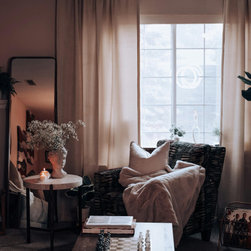
Soft fabrics, oversized seating, layered textiles, and warm lighting all contribute to spaces that feel welcoming. Designers are increasingly combining structured furniture with softer decorative elements to create balance within a room.
This layered approach allows interiors to feel sophisticated without appearing cold or overly minimal. A neutral sofa paired with textured cushions, natural wood accents, and carefully styled greenery can make even a simple room feel visually rich and emotionally comforting.
Aldik Home and the Appeal of Timeless Silk Botanicals
Brands like Aldik Home continue to inspire homeowners who want interiors that feel elegant, natural, and timeless. Known for its premium silk flowers, greenery, and decorative botanicals, the brand offers realistic arrangements that blend beautifully into a variety of interior styles, from modern minimalism to classic
European inspired spaces. High quality silk florals allow homeowners to enjoy the beauty of nature throughout the year while maintaining the flexibility to refresh arrangements seasonally without the limitations of fresh flowers.
Designing with Texture Instead of Excess
Modern interiors increasingly rely on texture rather than excessive decoration to create visual interest. Instead of filling spaces with numerous decorative items, designers focus on combining contrasting materials in subtle and thoughtful ways.
Linen curtains, boucle fabrics, ceramic vases, stone surfaces, brushed metals, and natural woods all contribute to a layered atmosphere that feels balanced and refined. Floral arrangements and greenery often serve as connecting elements that soften these materials and introduce organic movement into the space.
This design philosophy creates interiors that feel curated rather than crowded, allowing each element to stand out without overwhelming the room.
Flexible Spaces for Everyday Living
As lifestyles continue to evolve, homes are expected to serve multiple purposes throughout the day. Living rooms become entertainment areas, workspaces, and relaxation zones all at once. Dining areas often double as gathering spaces for conversations, creative projects, or remote work.
Because of this, flexibility has become a defining characteristic of contemporary interiors. Modular furniture, movable seating, layered lighting, and adaptable décor help spaces transition smoothly between functions.
Decorative elements also play a role in creating flexibility. Rearranging floral displays, changing greenery placements, or updating accent pieces seasonally allows homeowners to refresh interiors without requiring major renovations or expensive redesigns.
Minimalism with Personality
While minimalism remains influential, modern interiors are becoming softer and more expressive. Clean lines and uncluttered layouts are still valued, but homeowners increasingly want spaces that reflect personality and warmth.
This has led to a more balanced version of minimalism where decorative accents are chosen carefully rather than eliminated completely. Sculptural vases, textured arrangements, statement lighting, and artistic décor pieces help interiors feel unique while preserving visual simplicity.
The focus is no longer on having less for the sake of minimalism alone. Instead, the goal is to surround oneself with meaningful and visually calming pieces that enhance daily life.
Lighting and Atmosphere in Modern Interiors
Lighting has become one of the most important tools in shaping atmosphere within a home. Beyond basic functionality, lighting now helps define emotional tone, visual comfort, and spatial depth.
Layered lighting techniques combining overhead fixtures, floor lamps, sconces, and natural daylight create interiors that feel softer and more adaptable throughout the day. Decorative elements such as silk florals and greenery interact beautifully with lighting by adding shadows, texture, and depth to a room.
Warm lighting paired with natural inspired décor creates an environment that feels peaceful and grounded, supporting the growing desire for homes that offer emotional comfort as well as visual beauty.
Conclusion
Interior design in 2026 is centered around creating homes that feel intentional, flexible, and emotionally supportive. Rather than focusing purely on trends or decorative excess, homeowners are embracing thoughtful spaces that combine comfort, practicality, and timeless style.
Natural textures, layered materials, adaptable furniture, and realistic botanical décor all contribute to interiors that feel balanced and inviting. Whether through carefully selected furniture or elegant floral arrangements, modern homes are increasingly designed to support everyday living while maintaining a strong sense of beauty and individuality.
This evolution has changed how people approach decorating. Rooms are no longer designed only for visual impact. They are carefully arranged to improve how people feel and interact within their surroundings. From natural textures to layered lighting and thoughtful decorative accents, every design choice contributes to a home that feels intentional and inviting.
Bringing Nature Indoors Through Decorative Styling
One of the strongest influences in modern interior design is the desire to reconnect with nature. Organic textures, botanical elements, earthy tones, and natural materials are becoming essential features in both contemporary and traditional homes.
Decorative greenery and floral arrangements help soften architectural lines and add movement to otherwise structured interiors. Living plants remain popular, but many homeowners are also turning toward high quality silk botanicals that provide the same visual warmth without the ongoing maintenance.
Large branches, soft floral arrangements, and textured greenery can instantly transform empty corners, dining tables, bookshelves, and entryways into visually balanced focal points. These elements help interiors feel more alive while maintaining a clean and polished appearance year round.
The Rise of Comfortable and Layered Spaces
Comfort continues to shape modern home design in significant ways. Rather than creating rooms that look overly formal or untouchable, homeowners now prioritize interiors that encourage everyday use and relaxation.
Soft fabrics, oversized seating, layered textiles, and warm lighting all contribute to spaces that feel welcoming. Designers are increasingly combining structured furniture with softer decorative elements to create balance within a room.
This layered approach allows interiors to feel sophisticated without appearing cold or overly minimal. A neutral sofa paired with textured cushions, natural wood accents, and carefully styled greenery can make even a simple room feel visually rich and emotionally comforting.
Aldik Home and the Appeal of Timeless Silk Botanicals
Brands like Aldik Home continue to inspire homeowners who want interiors that feel elegant, natural, and timeless. Known for its premium silk flowers, greenery, and decorative botanicals, the brand offers realistic arrangements that blend beautifully into a variety of interior styles, from modern minimalism to classic
European inspired spaces. High quality silk florals allow homeowners to enjoy the beauty of nature throughout the year while maintaining the flexibility to refresh arrangements seasonally without the limitations of fresh flowers.
Designing with Texture Instead of Excess
Modern interiors increasingly rely on texture rather than excessive decoration to create visual interest. Instead of filling spaces with numerous decorative items, designers focus on combining contrasting materials in subtle and thoughtful ways.
Linen curtains, boucle fabrics, ceramic vases, stone surfaces, brushed metals, and natural woods all contribute to a layered atmosphere that feels balanced and refined. Floral arrangements and greenery often serve as connecting elements that soften these materials and introduce organic movement into the space.
This design philosophy creates interiors that feel curated rather than crowded, allowing each element to stand out without overwhelming the room.
Flexible Spaces for Everyday Living
As lifestyles continue to evolve, homes are expected to serve multiple purposes throughout the day. Living rooms become entertainment areas, workspaces, and relaxation zones all at once. Dining areas often double as gathering spaces for conversations, creative projects, or remote work.
Because of this, flexibility has become a defining characteristic of contemporary interiors. Modular furniture, movable seating, layered lighting, and adaptable décor help spaces transition smoothly between functions.
Decorative elements also play a role in creating flexibility. Rearranging floral displays, changing greenery placements, or updating accent pieces seasonally allows homeowners to refresh interiors without requiring major renovations or expensive redesigns.
Minimalism with Personality
While minimalism remains influential, modern interiors are becoming softer and more expressive. Clean lines and uncluttered layouts are still valued, but homeowners increasingly want spaces that reflect personality and warmth.
This has led to a more balanced version of minimalism where decorative accents are chosen carefully rather than eliminated completely. Sculptural vases, textured arrangements, statement lighting, and artistic décor pieces help interiors feel unique while preserving visual simplicity.
The focus is no longer on having less for the sake of minimalism alone. Instead, the goal is to surround oneself with meaningful and visually calming pieces that enhance daily life.
Lighting and Atmosphere in Modern Interiors
Lighting has become one of the most important tools in shaping atmosphere within a home. Beyond basic functionality, lighting now helps define emotional tone, visual comfort, and spatial depth.
Layered lighting techniques combining overhead fixtures, floor lamps, sconces, and natural daylight create interiors that feel softer and more adaptable throughout the day. Decorative elements such as silk florals and greenery interact beautifully with lighting by adding shadows, texture, and depth to a room.
Warm lighting paired with natural inspired décor creates an environment that feels peaceful and grounded, supporting the growing desire for homes that offer emotional comfort as well as visual beauty.
Conclusion
Interior design in 2026 is centered around creating homes that feel intentional, flexible, and emotionally supportive. Rather than focusing purely on trends or decorative excess, homeowners are embracing thoughtful spaces that combine comfort, practicality, and timeless style.
Natural textures, layered materials, adaptable furniture, and realistic botanical décor all contribute to interiors that feel balanced and inviting. Whether through carefully selected furniture or elegant floral arrangements, modern homes are increasingly designed to support everyday living while maintaining a strong sense of beauty and individuality.