

How Often Should Grass Be Watered?
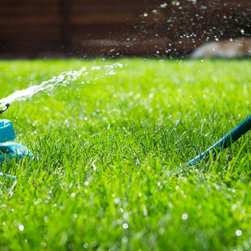
One of the biggest questions about lawn care is: How often should grass be watered? The answer varies from person to person and is largely dependent on the climate and soil type in your area. It is best to water a lawn three times a week, but you should not overdo it. You should only water the lawn enough to cover about half of its surface area. To find out how much water to water your lawn, first contact a professional like Your Neighborhood Lawn Service but if you are one of DIYers you should follow this simple method: fill a container halfway with water, and time how long it takes to fill the container.
If the weather is warm and there isn't any rain in the forecast, you should avoid watering your lawn. If it is above 50 degrees, water your lawn two to three times a month, applying approximately 1 inch per irrigation. During the colder months, you should water your lawn a little less, as it will need less water during these months. The watering process should be done at low windy conditions, which reduces the risk of disease.
When watering your lawn, the most important rule is to keep the soil moist but not soggy. Too much water will cause runoff and rob your lawn of absorption. Therefore, you should adjust the watering schedule gradually. In addition to proper watering, you should take into consideration the type of grass you have. Warm-season grasses require more water than cool-season grasses, and the need for water depends on the season.
When is the best time to water your lawn? Most lawns can survive five to eight days between waterings. On the other hand, lawns with deep roots can go up to eight days between waterings. Conversely, those with shallow soil require more frequent waterings. The best time to water a lawn is early in the morning, when temperature and wind are at their lowest, and water pressure is highest. Earlier watering allows the water to be distributed evenly across the lawn. Mid-day and late afternoon watering may cause uneven distribution and increase the chance of disease.
In general, the amount of water that should be applied to a lawn depends on its species, climate and soil type. Warm-season grasses need about an inch and a half of water per week. This is enough to keep the soil moist up to six inches deep. Watering too often, on the other hand, will cause the grass to become weak and dry. If you want to avoid this problem, you should water your lawn more often than twice a week.
For healthy and vibrant lawns, it is best to water them at least two to three times a week. Watering it on a daily basis may cause shallow roots and wilt. Instead, water the grass only when necessary. This will promote better root development and drought resistance. A good soak every couple of weeks will be enough for most lawns throughout the year. It is also good for the environment, especially if you're gardening in a hot climate.
If the weather is warm and there isn't any rain in the forecast, you should avoid watering your lawn. If it is above 50 degrees, water your lawn two to three times a month, applying approximately 1 inch per irrigation. During the colder months, you should water your lawn a little less, as it will need less water during these months. The watering process should be done at low windy conditions, which reduces the risk of disease.
When watering your lawn, the most important rule is to keep the soil moist but not soggy. Too much water will cause runoff and rob your lawn of absorption. Therefore, you should adjust the watering schedule gradually. In addition to proper watering, you should take into consideration the type of grass you have. Warm-season grasses require more water than cool-season grasses, and the need for water depends on the season.
When is the best time to water your lawn? Most lawns can survive five to eight days between waterings. On the other hand, lawns with deep roots can go up to eight days between waterings. Conversely, those with shallow soil require more frequent waterings. The best time to water a lawn is early in the morning, when temperature and wind are at their lowest, and water pressure is highest. Earlier watering allows the water to be distributed evenly across the lawn. Mid-day and late afternoon watering may cause uneven distribution and increase the chance of disease.
In general, the amount of water that should be applied to a lawn depends on its species, climate and soil type. Warm-season grasses need about an inch and a half of water per week. This is enough to keep the soil moist up to six inches deep. Watering too often, on the other hand, will cause the grass to become weak and dry. If you want to avoid this problem, you should water your lawn more often than twice a week.
For healthy and vibrant lawns, it is best to water them at least two to three times a week. Watering it on a daily basis may cause shallow roots and wilt. Instead, water the grass only when necessary. This will promote better root development and drought resistance. A good soak every couple of weeks will be enough for most lawns throughout the year. It is also good for the environment, especially if you're gardening in a hot climate.