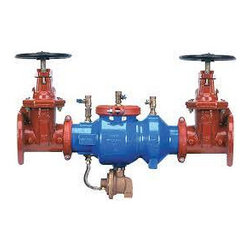


What is Backflow Testing, and Why is it Necessary in Chicago?
Backflow testing and prevention are essential in apartment and condo buildings, restaurants, and other public spaces. Local municipal rules frequently require annual testing, so call Chicago Backflow Inc if your home or company requires professional assistance! Backflow prevention devices and testing are available in the greater Chicago area.
What exactly is backflow?
Backflow occurs when the water flows in the opposite direction it should (into or out of your home). When the direction of water flow is mistakenly reversed, gases, liquids, or solids can enter the water supply and contaminate it. It essentially means that unclean and clean water combine.
The water from the local municipal water supply is pumped into your home at a specific pressure. This pressure is what allows water to flow freely from your faucets. That level of pressure can be lowered in some conditions. When pipes freeze or a water main breaks, this happens. When the pressure is lowered, dirty water from other sources can leak into your home's water supply.
Backflow testing is a procedure that checks your plumbing system to ensure that unclean water does not infiltrate the water supply and contaminate your drinking water.
Water pressure in your home is normally maintained at a constant level to allow water to flow freely from one place to another, such as from shower to toilet to sink. Contaminated water from the ground or storage can enter the system if the pipes experience an unexpected drop in pressure owing to freezing, bursting, or an unusually high demand on the water supply.
Preventing Backflow
Backflow can be avoided by using an air gap. Using an air gap involves leaving a distance between any spot where water could accumulate and the plumbing system's tools, such as valves and faucets.
A backflow prevention device, such as a backflow preventer valve, is another approach to prevent backflow. If there's a chance the water supply could be contaminated in certain parts of the house, you can put a backflow preventer valve at each of those points.
Why Do Backflow Prevention Devices Fail?
A backflow prevention system, like any mechanical device, will eventually fail. Numerous factors determine the lifespan of a backflow prevention device. The quality of your water, the pressure of your water, how often the device is used, and the environment in which the device is located are all aspects to consider. Approximately 5% of the gadgets put to the test fail. A simple problem, such as a broken spring or an O-ring that needs to be changed, usually causes the failure.
Why is Backflow Testing Required?
Backflow prevention devices are handy, however, they do have the potential to fail. You should have your backflow tested at least once a year. Backflow testing is an essential element of your home's routine maintenance since it ensures that the water you and your family drink is safe and clean. A backflow preventer valve can also fail, so backflow testing is done regularly to ensure that all backflow preventer valves are functioning correctly.
Backflow prevention devices include built-in ports that allow for quick testing. A plumber uses a test kit to check the device. All water downstream of the device must be shut off to execute the test. Contact CBI if you require backflow testing. They will come out to your home and conduct an inspection and backflow testing to ensure that all of your water is flowing in the proper direction. They care about the safety and sanitation of your drinking water.
In Chicago how often is backflow testing required?
According to the State Department of Health, these tests must be conducted every year. This ongoing maintenance will guarantee that the system remains operational and that the local drinking water is adequately protected.
Is it true that some systems are more vulnerable than others?
While all backflow prevention devices are necessary, some regions are more dangerous than others. High-hazard backflow assemblies are frequently utilized to give additional protection in these situations. Medical buildings, industrial complexes, and restaurant soda machines are all at risk.
Most importantly, Chicago Backflow Inc offers 24-hour emergency service. If your pipe bursts in the middle of the night, call CBI, and they'll come out straight away to fix it. They've been in business for over 19 years and pride in providing high-quality service at affordable costs. Our highly trained staff will be happy to help you with whatever backflow problem you have.
What exactly is backflow?
Backflow occurs when the water flows in the opposite direction it should (into or out of your home). When the direction of water flow is mistakenly reversed, gases, liquids, or solids can enter the water supply and contaminate it. It essentially means that unclean and clean water combine.
The water from the local municipal water supply is pumped into your home at a specific pressure. This pressure is what allows water to flow freely from your faucets. That level of pressure can be lowered in some conditions. When pipes freeze or a water main breaks, this happens. When the pressure is lowered, dirty water from other sources can leak into your home's water supply.
Backflow testing is a procedure that checks your plumbing system to ensure that unclean water does not infiltrate the water supply and contaminate your drinking water.
Water pressure in your home is normally maintained at a constant level to allow water to flow freely from one place to another, such as from shower to toilet to sink. Contaminated water from the ground or storage can enter the system if the pipes experience an unexpected drop in pressure owing to freezing, bursting, or an unusually high demand on the water supply.
Preventing Backflow
Backflow can be avoided by using an air gap. Using an air gap involves leaving a distance between any spot where water could accumulate and the plumbing system's tools, such as valves and faucets.
A backflow prevention device, such as a backflow preventer valve, is another approach to prevent backflow. If there's a chance the water supply could be contaminated in certain parts of the house, you can put a backflow preventer valve at each of those points.
Why Do Backflow Prevention Devices Fail?
A backflow prevention system, like any mechanical device, will eventually fail. Numerous factors determine the lifespan of a backflow prevention device. The quality of your water, the pressure of your water, how often the device is used, and the environment in which the device is located are all aspects to consider. Approximately 5% of the gadgets put to the test fail. A simple problem, such as a broken spring or an O-ring that needs to be changed, usually causes the failure.
Why is Backflow Testing Required?
Backflow prevention devices are handy, however, they do have the potential to fail. You should have your backflow tested at least once a year. Backflow testing is an essential element of your home's routine maintenance since it ensures that the water you and your family drink is safe and clean. A backflow preventer valve can also fail, so backflow testing is done regularly to ensure that all backflow preventer valves are functioning correctly.
Backflow prevention devices include built-in ports that allow for quick testing. A plumber uses a test kit to check the device. All water downstream of the device must be shut off to execute the test. Contact CBI if you require backflow testing. They will come out to your home and conduct an inspection and backflow testing to ensure that all of your water is flowing in the proper direction. They care about the safety and sanitation of your drinking water.
In Chicago how often is backflow testing required?
According to the State Department of Health, these tests must be conducted every year. This ongoing maintenance will guarantee that the system remains operational and that the local drinking water is adequately protected.
Is it true that some systems are more vulnerable than others?
While all backflow prevention devices are necessary, some regions are more dangerous than others. High-hazard backflow assemblies are frequently utilized to give additional protection in these situations. Medical buildings, industrial complexes, and restaurant soda machines are all at risk.
Most importantly, Chicago Backflow Inc offers 24-hour emergency service. If your pipe bursts in the middle of the night, call CBI, and they'll come out straight away to fix it. They've been in business for over 19 years and pride in providing high-quality service at affordable costs. Our highly trained staff will be happy to help you with whatever backflow problem you have.