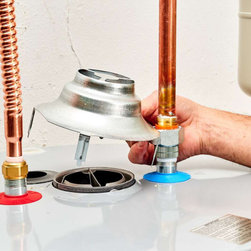


When To Replace A Hot Water Heater?
Do you know how long do water heaters last? Water heater is an essential home application that provides water for bathing, cleaning, and cooking. Water heaters are commonly used in winter; however, with time, your water heater may show signs of malfunction, leading to costly repairs. Repairing water heaters on time can help you save costs and have warm water to meet your requirements. If your system is 10 years old, it requires instant replacement to ensure efficiency, reliability, and long-term cost savings. This guide will help you find out common water heater problems and when to replace the heater with a new one.
Signs Your Water Heater Needs Replacement
Water heater also follows a life span, meaning they lose their efficiency with time, indicating water heater replacement. Learn that when you need to replace the heater, it is necessary to avoid sudden challenges. Always check for the following signs and replace the water heaters immediately:
• Hot Water Heater Lifespan
Water heaters often have shorter lifespans of up to 10 years because of consistent use. If used with great care, their health may increase for up to 12-13 years, but after some time, you may start facing problems such as insufficient hot water, rust in the water, or water leakages. Updating or replacing water heaters is necessary because an older system can lead to higher energy bills.
• Insufficient Hot Water
If you are experiencing problems with insufficient hot water, consider it a sign of water heater replacement. As these heaters age, they lose their efficiency, and you may not get enough water as you would normally. It shows that water heater repair is now a must to have enough water. These problems occur due to debris building in the water tank, reducing its capacity, and causing a lukewarm or inconsistent hot water supply.
• Rusty or Discolored Water
Rust or discoloured water is a sign of deterioration. Instantly replace your water heater because deterioration is a sign of aging of the tank and heater. If you have discoloured water or rust in the water, it means that corrosion has started eating the tank, and soon, you might face more significant problems.
• Unusual Noises
Unusual noises from your water heater mean that its motors are aging and require a lot of energy to function correctly. Avoiding such noises may lead to severe water heater damage. Therefore, replacing or repairing it on time is essential. Loud banging noises may occur due to sediment buildup, which can cause the system to overheat and eventually fail.
• Leakage of Water Heater
Leakage in a water heater is a serious problem that may present many challenges. Water leakages are also signs of aging or rust buildup, which means it’s time to consider a water heater replacement before you face severe destruction.
• Frequent Repairs
If your water heater is failing repeatedly and you have to make frequent repairs, then it's better to replace it before it totally loses its functioning. Replacing the water heater at once can also save money, as opposed to spending money sparsely on repairing each part.
The Best Time to Replace a Water Heater
Considering the lifespan, you have to figure out the best time to replace a water heater. It's necessary to replace the water heater before peak seasons and before it entirely stops functioning. If it loses its functionality, you might have to compromise on your routine water tasks.
• Before Winter Arrives
Try to replace your water heater before the winter season because the requirement for warm water increases in winter. Having a dysfunctional heater at this time may cause discomfort and delays in chores.
• During Home Renovations
If you are upgrading or renovating your home, consider replacing the water heater to avoid challenges later. Installing a new water heater will meet the water requirements of your new place.
• When Energy Bills Increase
Compared to new water heaters, old systems use more energy because they lose efficiency, which causes high electricity bills. A new water heater costs less electricity; therefore, replacing the old one with a new one will help you overcome electricity bills as they are more upgraded and efficient.
What New Water Heater Cost?
The cost of the new water heater depends upon its features. If you add up all the costs of repairing, it will be more than the cost of a new water heater. Fast Water Heater Co ensures that you receive water heaters at a 5% lower cost than others and with same-day installation.
• Traditional Tank Water Heaters
Traditional tank water heaters are affordable and cost-effective; however, they have a shorter lifespan than tankless water heaters.
• Tankless Water Heaters
While tankless water heaters are more expensive, they last longer and offer better energy efficiency. They also take less space and save electricity costs because they instantly warm the water when needed.
Water Heater Replacement Considerations
Before buying a water heater, you must know its different types and functions. Consider your home's space and water requirements before selecting any water heater. You have different kinds of options, such as:
• Conventional Storage Tank Water Heaters
Conventional storage water tank heaters are traditional heaters with tanks where hot water is stored in tanks. They are highly affordable, yet they take a lot of space to fit and have a limited water supply.
• Tankless Water Heaters
Tankless water heaters are modern heaters because they use less energy and less installation space. They have no tank and instantly warm the water when you turn on the tap. It reduces energy waste, making them ideal for homes with high hot water usage.
• Heat Pump Water Heaters
Heat pump water heaters use electricity to transfer heat rather than generate it directly, making them highly energy-efficient. However, such tanks are usually expensive.
• Solar Water Heaters
Solar water heaters are eco-friendly and highly efficient. They reduce energy costs and are ideal for instant use.
How Long Do Water Heaters Last?
The lifespan of water heaters depends upon their type, usage, and durability.
• Usually, water heaters with tanks have less durability and are more prone to leakages and catch rust easily. Typically, they last up to 8 to 12 years and require regular maintenance.
• Tankless water heaters can last 20 years or more since they do not store water. They also have fewer components that are prone to corrosion.
Conclusion
Water heaters play a crucial role in every setting. They provide lukewarm water for bathing, washing clothes, managing kitchen chores, and cleaning. However, like other machines, water heaters may also become problematic. Knowing when to replace a hot water heater can save you from unexpected breakdowns, costly repairs, and high energy bills.
Consider the signs of heaters seriously and instantly repair or replace them. Replacing the heater is better than fixing it because it saves a lot of the cost spent on rebuilding. Paying attention to signs like rusty water, leaks, strange noises, and insufficient hot water will help determine whether it’s time for a replacement of the water heater.
Signs Your Water Heater Needs Replacement
Water heater also follows a life span, meaning they lose their efficiency with time, indicating water heater replacement. Learn that when you need to replace the heater, it is necessary to avoid sudden challenges. Always check for the following signs and replace the water heaters immediately:
• Hot Water Heater Lifespan
Water heaters often have shorter lifespans of up to 10 years because of consistent use. If used with great care, their health may increase for up to 12-13 years, but after some time, you may start facing problems such as insufficient hot water, rust in the water, or water leakages. Updating or replacing water heaters is necessary because an older system can lead to higher energy bills.
• Insufficient Hot Water
If you are experiencing problems with insufficient hot water, consider it a sign of water heater replacement. As these heaters age, they lose their efficiency, and you may not get enough water as you would normally. It shows that water heater repair is now a must to have enough water. These problems occur due to debris building in the water tank, reducing its capacity, and causing a lukewarm or inconsistent hot water supply.
• Rusty or Discolored Water
Rust or discoloured water is a sign of deterioration. Instantly replace your water heater because deterioration is a sign of aging of the tank and heater. If you have discoloured water or rust in the water, it means that corrosion has started eating the tank, and soon, you might face more significant problems.
• Unusual Noises
Unusual noises from your water heater mean that its motors are aging and require a lot of energy to function correctly. Avoiding such noises may lead to severe water heater damage. Therefore, replacing or repairing it on time is essential. Loud banging noises may occur due to sediment buildup, which can cause the system to overheat and eventually fail.
• Leakage of Water Heater
Leakage in a water heater is a serious problem that may present many challenges. Water leakages are also signs of aging or rust buildup, which means it’s time to consider a water heater replacement before you face severe destruction.
• Frequent Repairs
If your water heater is failing repeatedly and you have to make frequent repairs, then it's better to replace it before it totally loses its functioning. Replacing the water heater at once can also save money, as opposed to spending money sparsely on repairing each part.
The Best Time to Replace a Water Heater
Considering the lifespan, you have to figure out the best time to replace a water heater. It's necessary to replace the water heater before peak seasons and before it entirely stops functioning. If it loses its functionality, you might have to compromise on your routine water tasks.
• Before Winter Arrives
Try to replace your water heater before the winter season because the requirement for warm water increases in winter. Having a dysfunctional heater at this time may cause discomfort and delays in chores.
• During Home Renovations
If you are upgrading or renovating your home, consider replacing the water heater to avoid challenges later. Installing a new water heater will meet the water requirements of your new place.
• When Energy Bills Increase
Compared to new water heaters, old systems use more energy because they lose efficiency, which causes high electricity bills. A new water heater costs less electricity; therefore, replacing the old one with a new one will help you overcome electricity bills as they are more upgraded and efficient.
What New Water Heater Cost?
The cost of the new water heater depends upon its features. If you add up all the costs of repairing, it will be more than the cost of a new water heater. Fast Water Heater Co ensures that you receive water heaters at a 5% lower cost than others and with same-day installation.
• Traditional Tank Water Heaters
Traditional tank water heaters are affordable and cost-effective; however, they have a shorter lifespan than tankless water heaters.
• Tankless Water Heaters
While tankless water heaters are more expensive, they last longer and offer better energy efficiency. They also take less space and save electricity costs because they instantly warm the water when needed.
Water Heater Replacement Considerations
Before buying a water heater, you must know its different types and functions. Consider your home's space and water requirements before selecting any water heater. You have different kinds of options, such as:
• Conventional Storage Tank Water Heaters
Conventional storage water tank heaters are traditional heaters with tanks where hot water is stored in tanks. They are highly affordable, yet they take a lot of space to fit and have a limited water supply.
• Tankless Water Heaters
Tankless water heaters are modern heaters because they use less energy and less installation space. They have no tank and instantly warm the water when you turn on the tap. It reduces energy waste, making them ideal for homes with high hot water usage.
• Heat Pump Water Heaters
Heat pump water heaters use electricity to transfer heat rather than generate it directly, making them highly energy-efficient. However, such tanks are usually expensive.
• Solar Water Heaters
Solar water heaters are eco-friendly and highly efficient. They reduce energy costs and are ideal for instant use.
How Long Do Water Heaters Last?
The lifespan of water heaters depends upon their type, usage, and durability.
• Usually, water heaters with tanks have less durability and are more prone to leakages and catch rust easily. Typically, they last up to 8 to 12 years and require regular maintenance.
• Tankless water heaters can last 20 years or more since they do not store water. They also have fewer components that are prone to corrosion.
Conclusion
Water heaters play a crucial role in every setting. They provide lukewarm water for bathing, washing clothes, managing kitchen chores, and cleaning. However, like other machines, water heaters may also become problematic. Knowing when to replace a hot water heater can save you from unexpected breakdowns, costly repairs, and high energy bills.
Consider the signs of heaters seriously and instantly repair or replace them. Replacing the heater is better than fixing it because it saves a lot of the cost spent on rebuilding. Paying attention to signs like rusty water, leaks, strange noises, and insufficient hot water will help determine whether it’s time for a replacement of the water heater.