

Modern Architectural Trends for Luxury Properties
Luxury properties have evolved significantly over the years, reflecting not only the changing needs and desires of homeowners but also advancements in architectural trends. In this article, we'll explore the fascinating world of modern architectural trends for luxury houses, exploring the key characteristics that define the epitome of opulence in today's real estate landscape.
Definition of Modern Architectural Trends
The term "modern" in the context of architecture goes beyond mere contemporary aesthetics; it encapsulates a dynamic blend of innovation, functionality, and a deep understanding of environmental impact. Modern architectural trends for luxury properties embody a harmonious fusion of cutting-edge design and sustainable practices.
Evolution of Luxury Properties
• Historical Perspective
Luxury properties have a rich history, from opulent castles of the past to the modern marvels of today. Understanding this evolution is crucial in appreciating the influences that shape current architectural trends.
• Influence on Modern Trends
The historical grandeur of luxury properties serves as a foundation, inspiring architects to incorporate timeless elements into contemporary designs. The fusion of classical elegance with modern functionality is a hallmark of today's luxury real estate.
Key Characteristics
• Sustainability and Green Design
Modern luxury properties prioritize sustainability, embracing green design principles that minimize environmental impact. From energy-efficient systems to eco-friendly materials, this commitment to environmental responsibility sets the tone for the entire architectural landscape.
• Integration of Technology
In the digital age, technology plays a pivotal role in luxury living. Smart home integration, state-of-the-art security systems, and automated features contribute to a seamless, tech-savvy living experience.
Open Floor Plans
• Benefits and Aesthetics
Open floor plans dominate modern luxury homes, offering a sense of spaciousness and fluidity. This design choice not only enhances aesthetics but also fosters a communal atmosphere within the residence.
• Flexibility and Multifunctionality
The flexibility of open spaces allows homeowners to adapt their environments to changing needs. From entertaining guests to creating a home office, the versatility of open floor plans is a key aspect of modern luxury living.
Emphasis on Natural Light
• Health and Wellness Benefits
Architects recognize the profound impact of natural light on well-being. Modern luxury properties strategically incorporate large windows, skylights, and glass walls to maximize natural light exposure, promoting a healthier and more vibrant living environment.
• Architectural Techniques
Innovative architectural techniques, such as light wells and reflective surfaces, are employed to optimize the distribution of natural light throughout the space. These techniques not only enhance aesthetics but also contribute to energy efficiency.
Smart Home Integration
• Cutting-edge Technologies
The integration of smart home technologies is a defining feature of modern luxury properties. From automated climate control to security systems that can be monitored remotely, these advancements elevate the overall living experience.
• Increased Comfort and Security
Smart home features not only enhance comfort but also reinforce security measures. Homeowners can remotely control and monitor various aspects of their property, ensuring peace of mind and a heightened sense of security.
Eco-Friendly Materials
• Sustainable Choices
The use of eco-friendly materials is a cornerstone of modern luxury architecture. From recycled steel to reclaimed wood, architects prioritize materials that minimize the environmental footprint of a property while maintaining a luxurious aesthetic.
• Impact on Environmental Conservation
By opting for sustainable materials, luxury properties contribute to broader environmental conservation efforts. This eco-conscious approach aligns with the values of environmentally aware homeowners, making it a key aspect of modern architectural trends.
Fusion of Indoor and Outdoor Spaces
• Seamless Transitions
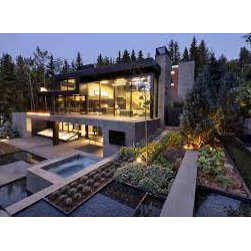
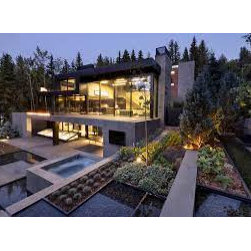
Modern luxury properties blur the lines between indoor and outdoor spaces, creating seamless transitions that enhance the overall living experience. This design approach often involves expansive glass doors, outdoor living areas, and thoughtfully landscaped surroundings.
• Landscape Architecture
The integration of landscape architecture plays a pivotal role in connecting indoor and outdoor spaces. Lush gardens, water features, and outdoor entertainment areas contribute to a holistic and immersive luxury living experience.
Artistic and Unique Designs
• Breaking Conventional Molds
Modern luxury architecture embraces artistic and unique designs that defy conventional norms. Architects push boundaries, creating visually stunning properties that serve as expressions of individuality and personal style.
• Customization and Personalization
The trend towards artistic designs aligns with a growing demand for customization. Homeowners seek properties that reflect their unique tastes and preferences, fostering a sense of ownership and personal connection to the space.
Minimalist Approach
• Simplicity in Luxury
A minimalist approach to luxury architecture emphasizes simplicity and clean lines. This design philosophy prioritizes essential elements, creating a sense of tranquility and sophistication within the living space.
• Clutter-Free Spaces
Minimalist luxury properties are characterized by clutter-free spaces that exude a sense of calm. Thoughtful organization and strategic design choices contribute to an uncluttered and visually appealing environment.
Integration of Nature
• Green Roofs and Living Walls
The integration of nature within luxury properties goes beyond traditional landscaping. Green roofs and living walls are innovative approaches that bring nature into the heart of the home, promoting sustainability and enhancing aesthetics.
• Biophilic Design
Biophilic design principles guide architects in creating environments that foster a deep connection with nature. From indoor gardens to natural materials, these design elements contribute to a sense of well-being and harmony.
Use of Advanced Materials
• High-tech Solutions
The use of advanced materials is a key aspect of modern luxury architecture. High-tech solutions, such as self-healing concrete and smart glass, not only contribute to the longevity of a property but also showcase the forefront of technological innovation in construction.
• Durability and Longevity
Investing in advanced materials ensures the durability and longevity of luxury properties. Homeowners benefit from structures that withstand the test of time, reducing maintenance requirements and preserving the value of their investments.
Conclusion
In conclusion, the landscape of modern architectural trends for luxury properties is a captivating blend of innovation, sustainability, and individuality. From the fusion of indoor and outdoor spaces to the use of advanced materials, each element contributes to the creation of homes that not only exude opulence but also align with contemporary values.
Definition of Modern Architectural Trends
The term "modern" in the context of architecture goes beyond mere contemporary aesthetics; it encapsulates a dynamic blend of innovation, functionality, and a deep understanding of environmental impact. Modern architectural trends for luxury properties embody a harmonious fusion of cutting-edge design and sustainable practices.
Evolution of Luxury Properties
• Historical Perspective
Luxury properties have a rich history, from opulent castles of the past to the modern marvels of today. Understanding this evolution is crucial in appreciating the influences that shape current architectural trends.
• Influence on Modern Trends
The historical grandeur of luxury properties serves as a foundation, inspiring architects to incorporate timeless elements into contemporary designs. The fusion of classical elegance with modern functionality is a hallmark of today's luxury real estate.
Key Characteristics
• Sustainability and Green Design
Modern luxury properties prioritize sustainability, embracing green design principles that minimize environmental impact. From energy-efficient systems to eco-friendly materials, this commitment to environmental responsibility sets the tone for the entire architectural landscape.
• Integration of Technology
In the digital age, technology plays a pivotal role in luxury living. Smart home integration, state-of-the-art security systems, and automated features contribute to a seamless, tech-savvy living experience.
Open Floor Plans
• Benefits and Aesthetics
Open floor plans dominate modern luxury homes, offering a sense of spaciousness and fluidity. This design choice not only enhances aesthetics but also fosters a communal atmosphere within the residence.
• Flexibility and Multifunctionality
The flexibility of open spaces allows homeowners to adapt their environments to changing needs. From entertaining guests to creating a home office, the versatility of open floor plans is a key aspect of modern luxury living.
Emphasis on Natural Light
• Health and Wellness Benefits
Architects recognize the profound impact of natural light on well-being. Modern luxury properties strategically incorporate large windows, skylights, and glass walls to maximize natural light exposure, promoting a healthier and more vibrant living environment.
• Architectural Techniques
Innovative architectural techniques, such as light wells and reflective surfaces, are employed to optimize the distribution of natural light throughout the space. These techniques not only enhance aesthetics but also contribute to energy efficiency.
Smart Home Integration
• Cutting-edge Technologies
The integration of smart home technologies is a defining feature of modern luxury properties. From automated climate control to security systems that can be monitored remotely, these advancements elevate the overall living experience.
• Increased Comfort and Security
Smart home features not only enhance comfort but also reinforce security measures. Homeowners can remotely control and monitor various aspects of their property, ensuring peace of mind and a heightened sense of security.
Eco-Friendly Materials
• Sustainable Choices
The use of eco-friendly materials is a cornerstone of modern luxury architecture. From recycled steel to reclaimed wood, architects prioritize materials that minimize the environmental footprint of a property while maintaining a luxurious aesthetic.
• Impact on Environmental Conservation
By opting for sustainable materials, luxury properties contribute to broader environmental conservation efforts. This eco-conscious approach aligns with the values of environmentally aware homeowners, making it a key aspect of modern architectural trends.
Fusion of Indoor and Outdoor Spaces
• Seamless Transitions
Modern luxury properties blur the lines between indoor and outdoor spaces, creating seamless transitions that enhance the overall living experience. This design approach often involves expansive glass doors, outdoor living areas, and thoughtfully landscaped surroundings.
• Landscape Architecture
The integration of landscape architecture plays a pivotal role in connecting indoor and outdoor spaces. Lush gardens, water features, and outdoor entertainment areas contribute to a holistic and immersive luxury living experience.
Artistic and Unique Designs
• Breaking Conventional Molds
Modern luxury architecture embraces artistic and unique designs that defy conventional norms. Architects push boundaries, creating visually stunning properties that serve as expressions of individuality and personal style.
• Customization and Personalization
The trend towards artistic designs aligns with a growing demand for customization. Homeowners seek properties that reflect their unique tastes and preferences, fostering a sense of ownership and personal connection to the space.
Minimalist Approach
• Simplicity in Luxury
A minimalist approach to luxury architecture emphasizes simplicity and clean lines. This design philosophy prioritizes essential elements, creating a sense of tranquility and sophistication within the living space.
• Clutter-Free Spaces
Minimalist luxury properties are characterized by clutter-free spaces that exude a sense of calm. Thoughtful organization and strategic design choices contribute to an uncluttered and visually appealing environment.
Integration of Nature
• Green Roofs and Living Walls
The integration of nature within luxury properties goes beyond traditional landscaping. Green roofs and living walls are innovative approaches that bring nature into the heart of the home, promoting sustainability and enhancing aesthetics.
• Biophilic Design
Biophilic design principles guide architects in creating environments that foster a deep connection with nature. From indoor gardens to natural materials, these design elements contribute to a sense of well-being and harmony.
Use of Advanced Materials
• High-tech Solutions
The use of advanced materials is a key aspect of modern luxury architecture. High-tech solutions, such as self-healing concrete and smart glass, not only contribute to the longevity of a property but also showcase the forefront of technological innovation in construction.
• Durability and Longevity
Investing in advanced materials ensures the durability and longevity of luxury properties. Homeowners benefit from structures that withstand the test of time, reducing maintenance requirements and preserving the value of their investments.
Conclusion
In conclusion, the landscape of modern architectural trends for luxury properties is a captivating blend of innovation, sustainability, and individuality. From the fusion of indoor and outdoor spaces to the use of advanced materials, each element contributes to the creation of homes that not only exude opulence but also align with contemporary values.