
Cabins in Eastern Washington
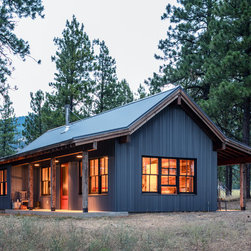
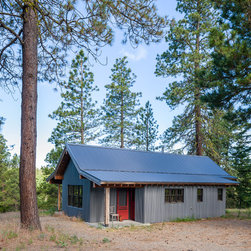
Tucked into the rolling hills of Eastern Washington, a pair of cabins detailed in durable, locally-sourced materials inside and out, are built-to-last with little maintenance in a remote location — underlining the importance of durability in sustainable design.
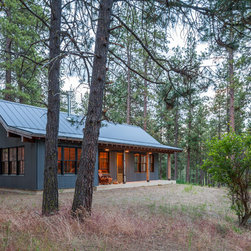
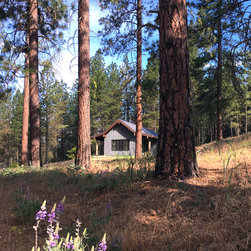
The modest cabins are designed to be place-specific, but with a design flexible enough that they each fit naturally into two different ranch properties. Both cabins create a connection between nature and structure, carrying the thread of regional architecture, history, and context through their forms, both structurally and aesthetically.
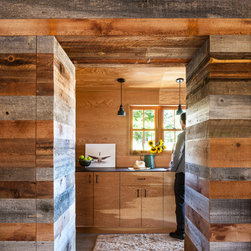
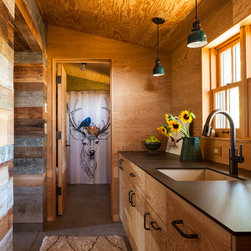
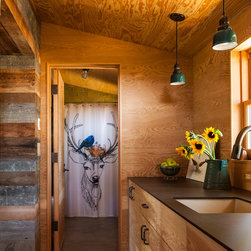
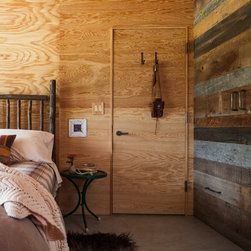
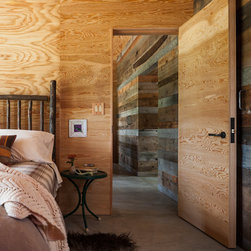
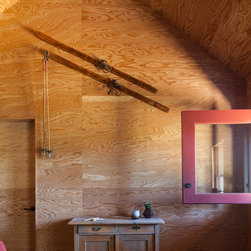
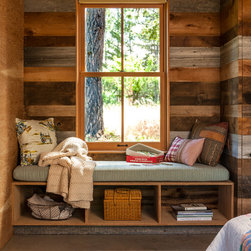
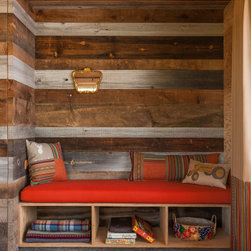
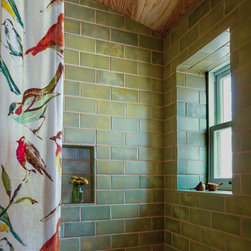
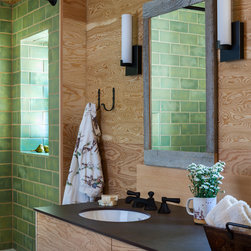
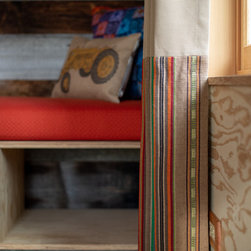
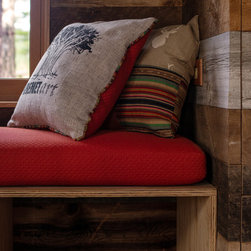
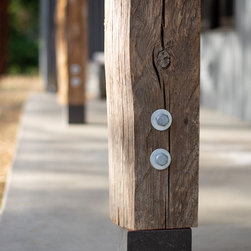
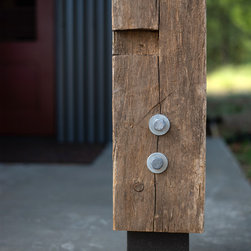
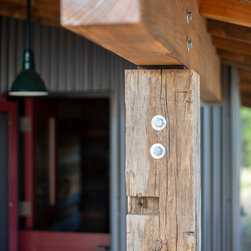
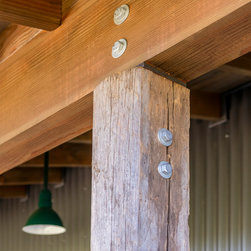
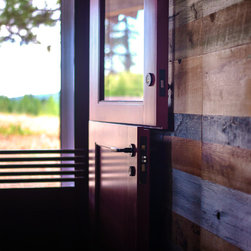
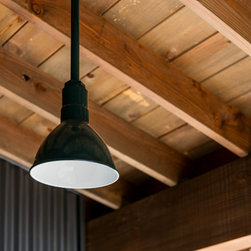
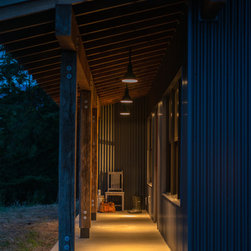
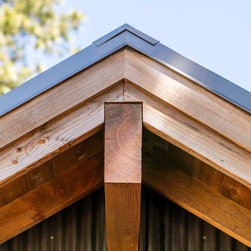
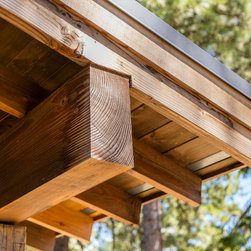
Careful architectural detailing highlights the materiality of exposed plywood paired with salvaged wood from a local barn dating back to the 1890s. Installed with special care and craftsmanship, the barnwood shares its history on its patinaed surface with all its scars, wear — and even lichen — left intact.
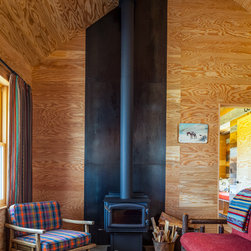
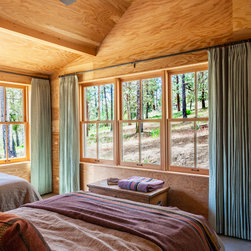
Despite their diminutive size and simplicity of form, the cabins are surprisingly spacious inside, with simple spaces forming welcoming, comfortable rooms for guests visiting in any season.
In the summer, cooling cross-breezes pass through, and the deep porches offer cool shade; while in the winter, the hardy cabins stay toasty while shedding the heavy snowfall each winter brings.
Each cabin enjoys privacy, beautiful vistas of the land, and cozy spaces for relaxation, but the cabins are designed to be efficient, encouraging guests to gather at the main house, within easy walking distance.
To minimize the impact of the new cabins on the land, previously-developed locations were selected on each ranch. This reduced the number of trees that would have to be removed to accommodate the new construction, and simplified access to existing utilities, causing less disruption to the surrounding land.
In remote locations, being light on the land is important both for the longevity of the construction and for being an integral part of the place, rather than a blight upon it.
Just like that old barn — enduring longer than the human lives that constructed it — these cabins are built to last over the course of generations, providing shelter for the creation of new memories formed before a backdrop of salvaged barnwood that’s already borne witness to over a century of local history.
The modest cabins are designed to be place-specific, but with a design flexible enough that they each fit naturally into two different ranch properties. Both cabins create a connection between nature and structure, carrying the thread of regional architecture, history, and context through their forms, both structurally and aesthetically.
Careful architectural detailing highlights the materiality of exposed plywood paired with salvaged wood from a local barn dating back to the 1890s. Installed with special care and craftsmanship, the barnwood shares its history on its patinaed surface with all its scars, wear — and even lichen — left intact.
Despite their diminutive size and simplicity of form, the cabins are surprisingly spacious inside, with simple spaces forming welcoming, comfortable rooms for guests visiting in any season.
In the summer, cooling cross-breezes pass through, and the deep porches offer cool shade; while in the winter, the hardy cabins stay toasty while shedding the heavy snowfall each winter brings.
Each cabin enjoys privacy, beautiful vistas of the land, and cozy spaces for relaxation, but the cabins are designed to be efficient, encouraging guests to gather at the main house, within easy walking distance.
To minimize the impact of the new cabins on the land, previously-developed locations were selected on each ranch. This reduced the number of trees that would have to be removed to accommodate the new construction, and simplified access to existing utilities, causing less disruption to the surrounding land.
In remote locations, being light on the land is important both for the longevity of the construction and for being an integral part of the place, rather than a blight upon it.
Just like that old barn — enduring longer than the human lives that constructed it — these cabins are built to last over the course of generations, providing shelter for the creation of new memories formed before a backdrop of salvaged barnwood that’s already borne witness to over a century of local history.
Project Year: 2018
Project Cost: $750,001 - $1,000,000
Others who worked on this project: Swivel Interiors