

A Client's Perspective
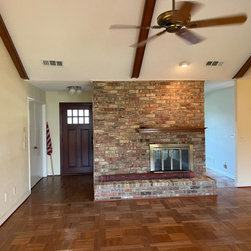
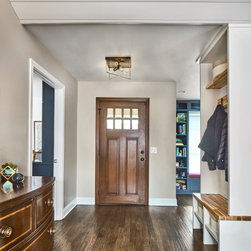
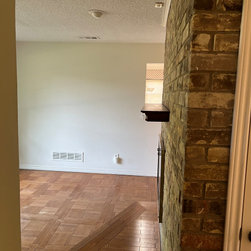
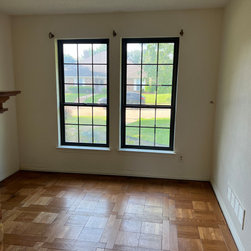
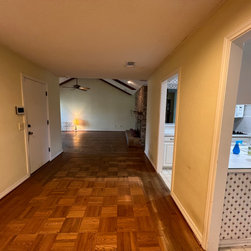
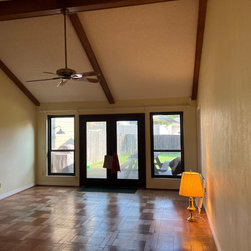
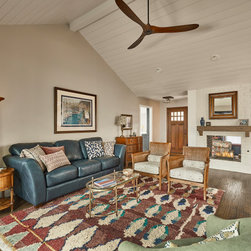
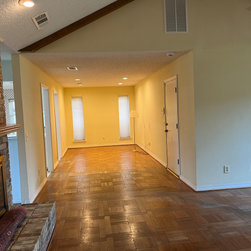
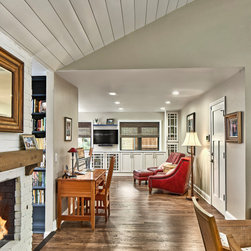
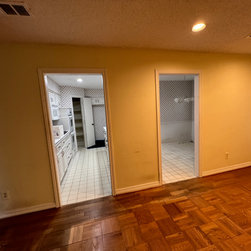
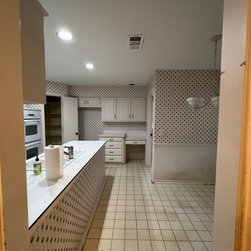
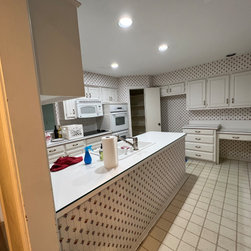
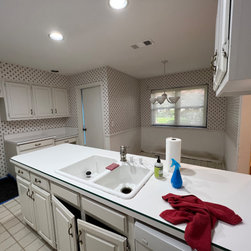
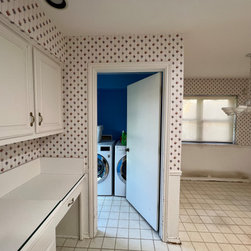
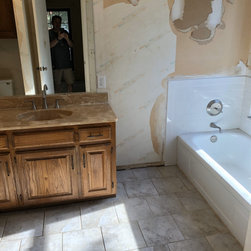
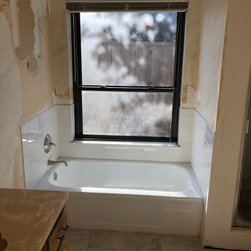
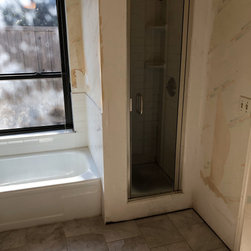
When the homeowners purchased their “starter” home in 1992, they weren’t thinking long term. They just knew they had chosen a house with an original layout in a good neighborhood. They figured they would know when it was time to move on. Thirty years later, they had gone from a young, childless couple to a family of four to pandemic workers-at-home to empty nesters who were ready to finally do something to update the home they loved but knew could be improved. One of the smallest homes in the neighborhood, it was divided into several small living areas, one of which served no real purpose. Too small for a dining room, the room became whatever it needed to be whenever it was needed, but the homeowners knew they could put it to better use. The homeowners had learned to work with the confines of their well-loved and well-used kitchen, but the awkwardly situated laundry room took up one corner while the pantry ate up the other. On the other side of the wall from the kitchen was the family’s main living area, affectionately referred to as the “bowling alley” and about as functional. The primary bedroom was also narrow, and its window and door placement led to overcrowding with traditional bedroom furniture. In addition to the world’s smallest shower, the primary bathroom included a never-used bathtub and vanities with no real storage space. Finally, since the homeowners’ children no longer lived at home, their bathroom could finally become a grown-up guest bathroom.
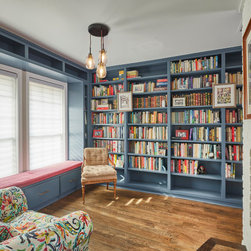
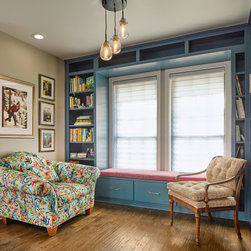
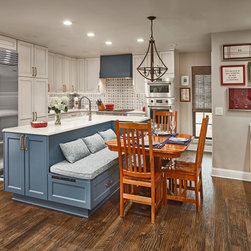
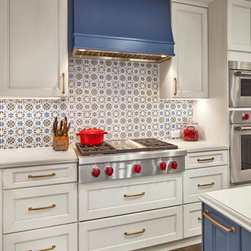
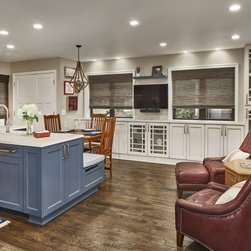
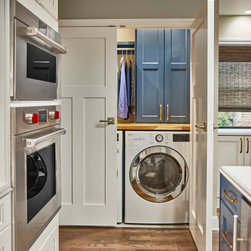
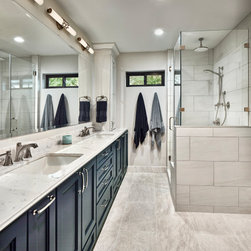
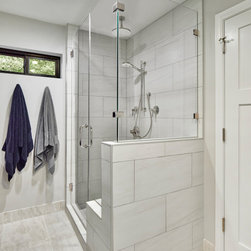
The homeowners knew they wanted to bring the kitchen and “bowling alley” living space together by removing the wall that separated them. The laundry room in the corner was another source of contention since it didn’t function well and ate up space. Storage in the existing kitchen spaces was at a premium, and the idea of having drawers and pull-outs to access needed items was so much more appealing than the homeowners’ approach of dragging everything out to find what they needed. New appliances were another important consideration since the homeowners love to cook and bake for family, friends, and anyone who wants to share. With an enormous collection of books, the homeowners specifically asked to turn the never-used dining room into a library filled with shelves, and removing the outdated ceiling beams would be a step toward improving the overall look of the largest living space. The homeowners knew they couldn’t add space in the primary bathroom but felt certain there could be changes to maximize the space they had. Tired of their tiny shower, they were willing to sacrifice the bathtub in favor of a larger shower and more functional storage space. The idea of custom-built cabinets in the primary bedroom was intriguing since the cabinets would give the room a European feel and eliminate the crowding they had lived with for so long.
The homeowners knew they wanted to bring the kitchen and “bowling alley” living space together by removing the wall that separated them. The laundry room in the corner was another source of contention since it didn’t function well and ate up space. Storage in the existing kitchen spaces was at a premium, and the idea of having drawers and pull-outs to access needed items was so much more appealing than the homeowners’ approach of dragging everything out to find what they needed. New appliances were another important consideration since the homeowners love to cook and bake for family, friends, and anyone who wants to share. With an enormous collection of books, the homeowners specifically asked to turn the never-used dining room into a library filled with shelves, and removing the outdated ceiling beams would be a step toward improving the overall look of the largest living space. The homeowners knew they couldn’t add space in the primary bathroom but felt certain there could be changes to maximize the space they had. Tired of their tiny shower, they were willing to sacrifice the bathtub in favor of a larger shower and more functional storage space. The idea of custom-built cabinets in the primary bedroom was intriguing since the cabinets would give the room a European feel and eliminate the crowding they had lived with for so long.
Project Year: 2022
Project Cost: $150,001 - $200,000
Country: United States
Zip Code: 75075