
Rhode Island Beach House
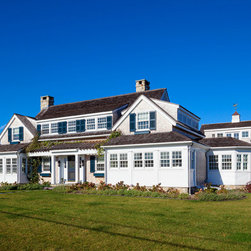
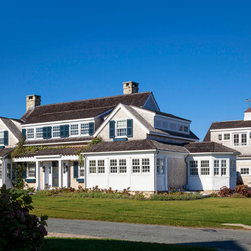
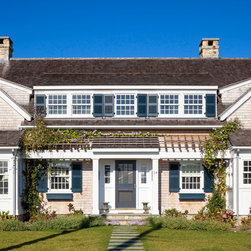
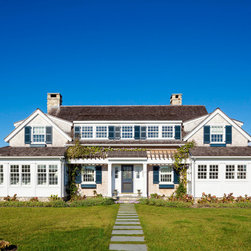
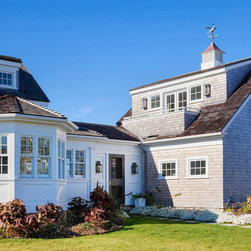
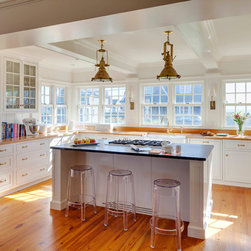
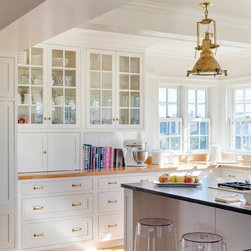
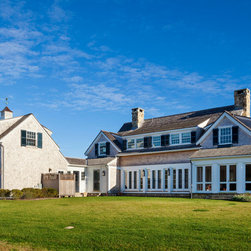
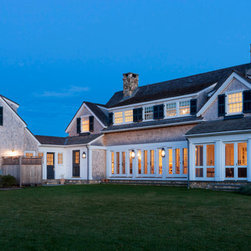
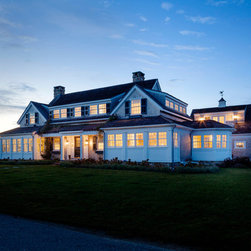
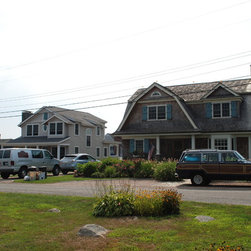
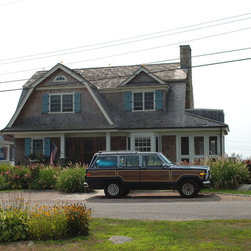
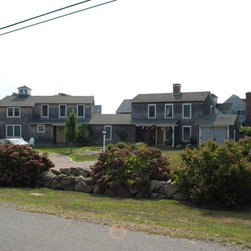
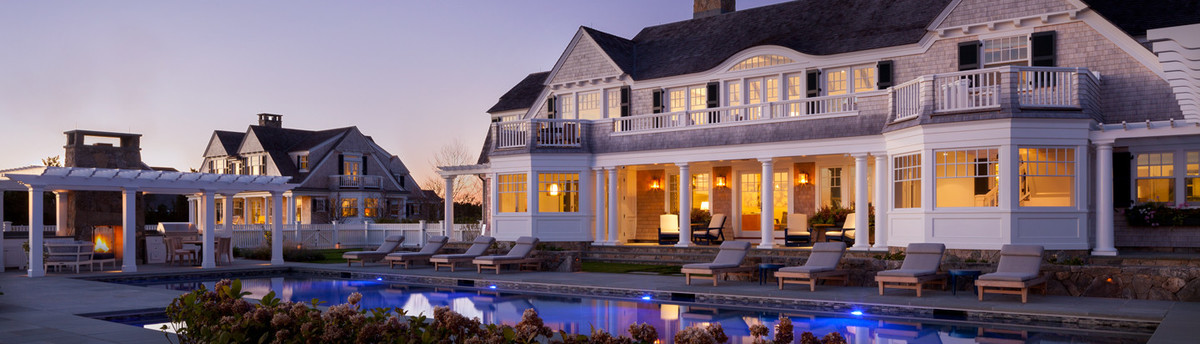
The Rhode Island Beach House is located in Charlestown, R.I., a seaside community consisting of many new beach houses and older homes along the Rhode Island coast. The 4,800 square foot house was designed to emulate the smaller scaled existing house in this immediate seaside community by breaking down the program in smaller scaled elements.
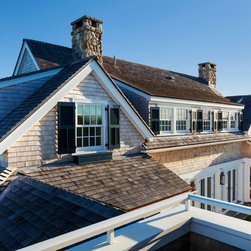
The idea of implied history was developed to present the house in a way that tells the story of a small cottage added on over time. Such elements as a once freestanding carriage house, porches that were enclosed over time, and dormers, bays, and connectors that also portray a history of additions over a long period of time help to present the design in a historically motivated way. The issue of scale was paramount in not overwhelming the neighborhood with a large house by Charleston standards. The multi-surfaced shape of the house contributes to this issue of scale as its forms help conceal the house’s massing.
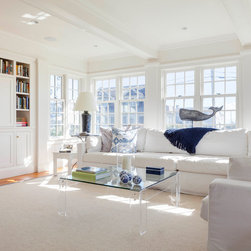
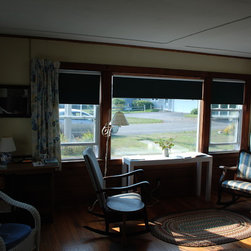
The design challenges posed by the size of the owners’ program and their desire to maximize views to the water from the primary living spaces while working with a modestly sized lot caused us to develop a design vernacular that was broken down in components. Due to the nature of a corner lot, the zoning setbacks on the primary and secondary elevations had to respond to front yard setbacks, which further complicated the orientation and scaling elements of the house. All of these issues were resolved in the parti established under the “implied history” approach very successfully as this home has been whole heartedly embraced by the community at large.
The idea of implied history was developed to present the house in a way that tells the story of a small cottage added on over time. Such elements as a once freestanding carriage house, porches that were enclosed over time, and dormers, bays, and connectors that also portray a history of additions over a long period of time help to present the design in a historically motivated way. The issue of scale was paramount in not overwhelming the neighborhood with a large house by Charleston standards. The multi-surfaced shape of the house contributes to this issue of scale as its forms help conceal the house’s massing.
The design challenges posed by the size of the owners’ program and their desire to maximize views to the water from the primary living spaces while working with a modestly sized lot caused us to develop a design vernacular that was broken down in components. Due to the nature of a corner lot, the zoning setbacks on the primary and secondary elevations had to respond to front yard setbacks, which further complicated the orientation and scaling elements of the house. All of these issues were resolved in the parti established under the “implied history” approach very successfully as this home has been whole heartedly embraced by the community at large.
Country: United States