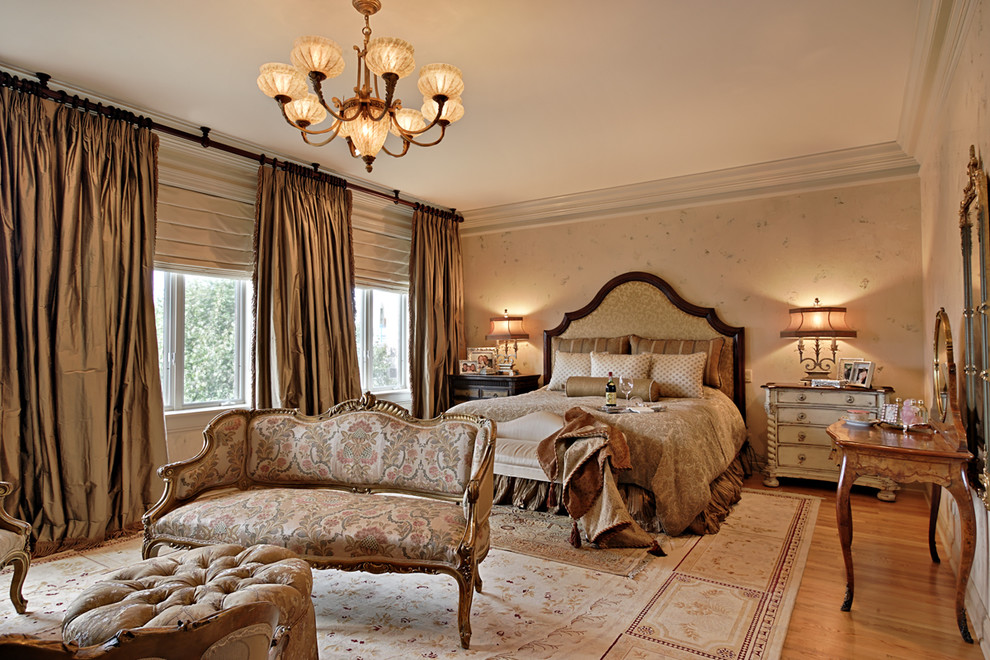
Light pollution in your bedroom can rob you of much-needed rest and impede your body’s ability to regulate its sleep cycle. Artificial lighting interrupts natural rhythms, confusing our bodies into thinking that they should be awake long after the sun has gone down. This can lead to sleep deprivation, depression, weight gain and increased risk of diabetes and heart disease. Sleeping in a room polluted with artificial light causes fragmented sleep and interferes with your body’s natural production of melatonin, a hormone that regulates sleep cycles and sexual development and may even help prevent cancer. A few things to consider about lighting:The darker the room, the better you sleep. You should not be able to see your hand after you turn off the lights.Be aware of light pollution sources, including streetlights, nightlights, hall lights, clocks, phone dials, baby monitors and electric blanket controls. Move or cover sources within the bedroom and install blackout drapes to block outside sources.Turn off the television and computer at least an hour before bed. These light sources can reset your biological clock and make falling asleep difficult. If possible, keep computers and televisions out of the bedroom altogether.Think of light in terms of layers. Ambient light should provide enough for general tasks; task lighting can reside on the bedside table, a desk or near a reading chair; and accent lighting can highlight artwork, furniture or an accent wall.