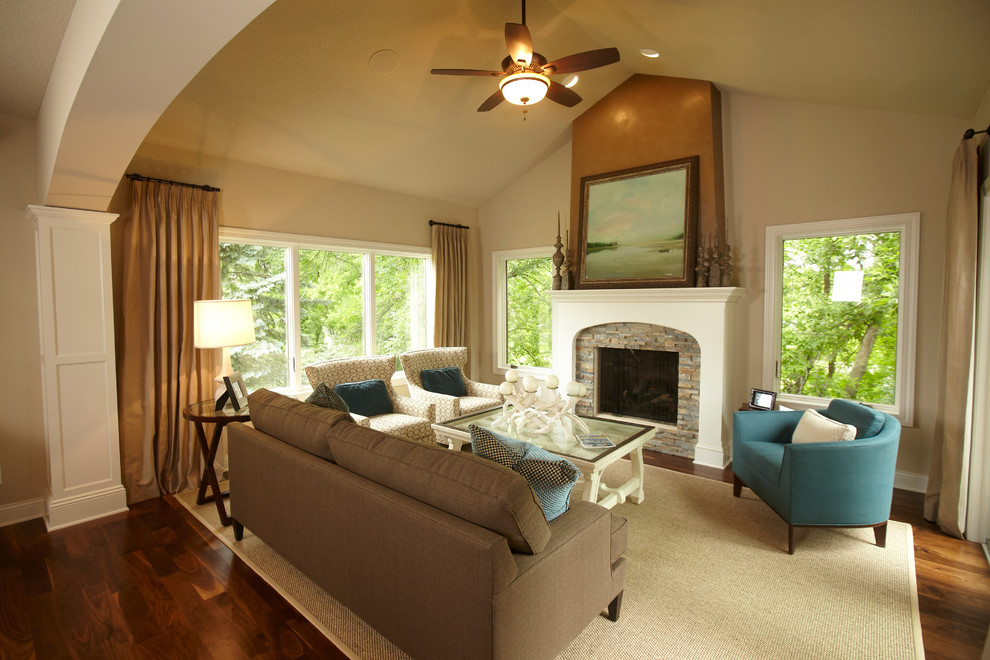
2. Get precise measurements. While some may yawn over a designer's range of measurements, they're critical. Accuracy is vital when planning a space, particularly when you're drawing up an initial plan, so get your measurements right. Draw a floor plan of your existing space, carefully measuring each detail. According to Hebson, designers often work within a defined range of measurements for furniture and fixtures, because those can help prevent potential problems that come with searching for the ideal product. "By having a parameter, you can widen your search to find the perfect fit both proportionately and aesthetically," Hebson says. "Measurements are extremely important to ensure a space is functional and efficient," says designer Susan Lund. "They need to be especially precise when planning kitchens, bathrooms and
dining rooms, where you need to have adequate clearance between furniture, cabinetry, appliances and plumbing fixtures.""If you don't allocate the right amount for walking, working or storage, you're left with a beautiful space that functions horribly," says designer Robin Rigby Fisher. Pay attention to the minimums and maximums that your space provides, and how they will enable the room's assigned functions.