

Apple Tree Pests
12 years ago

Sort by:Oldest
Comments (6)
Related Stories

EDIBLE GARDENSHow to Add an Apple Tree to Your Edible Garden
Readily available, beautiful and fragrant, apple trees offer four-season interest along with crisp, juicy fruit
Full Story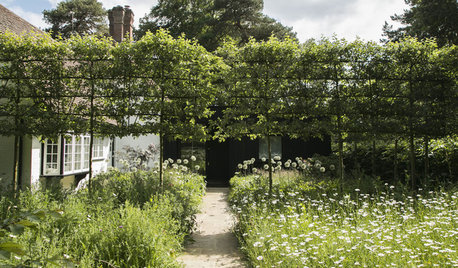
GARDENING AND LANDSCAPINGCrab Apple Trees Set Off a Stylish English Courtyard
A structure of pleached crab apple trees, bordered by a wildflower meadow, links a minimalist addition to an old house in Buckinghamshire
Full Story
GARDENING AND LANDSCAPINGCrazy for Fruit Trees
Whether a single citrus or a mini apple orchard, even the smallest landscape space can bear deliriously delicious fruit
Full Story
GARDENING GUIDESOrganic Matters: Thwart Insect Pests With Trap Crops
Add a few sacrificial plants to your garden to lure insects away from the harvest
Full Story
GARDENING GUIDESTree Care: Common Tree Diseases and What to Do About Them
Learn to recognize trees that may be affected by diseases or pests so you can quickly take action
Full Story
EDIBLE GARDENSWhy Grow Quince? For Beauty, Fragrance and Old-Time Flavor
Delightfully perfumed fruit and lovely spring blossoms make this apple and pear cousin worth a spot in the garden
Full Story
FARM YOUR YARDIf You Have Room for Only One Fruit Tree ...
Juice up a small garden with one of these easier-care or worth-the-effort fruit trees for a mild climate
Full Story
EDIBLE GARDENSHow to Grow 10 Favorite Fruit Trees at Home
Plant a mini orchard in fall, winter or early spring to enjoy fresh-off-the-tree fruit the following year
Full Story
SPRING GARDENING7 Spectacular and Practical Spring-Flowering Trees
Put on a beauteous show in the garden with a landscape tree awash in flowers — just do your homework first
Full Story
GARDENING GUIDESHow to Keep Your Citrus Trees Well Fed and Healthy
Ripe for some citrus fertilizer know-how? This mini guide will help your lemon, orange and grapefruit trees flourish
Full Story
djoyceOriginal Author
larry_gene
Related Professionals
Toms River Landscape Architects & Landscape Designers · South Bend Landscape Architects & Landscape Designers · Saginaw Landscape Architects & Landscape Designers · Janesville Landscape Architects & Landscape Designers · Bowling Green Landscape Contractors · New London Landscape Contractors · Montréal Landscape Contractors · Richmond Home Additions · Southaven Home Additions · Beaumont Home Additions · McAllen Home Additions · Wausau Home Additions · Mesquite Home Additions · El Paso Home Additions · Bismarck Home AdditionsdjoyceOriginal Author
jean001a
larry_gene
alan haigh