Software
Houzz Logo Print
chlwl

Landscaping design help needed!

2 years ago
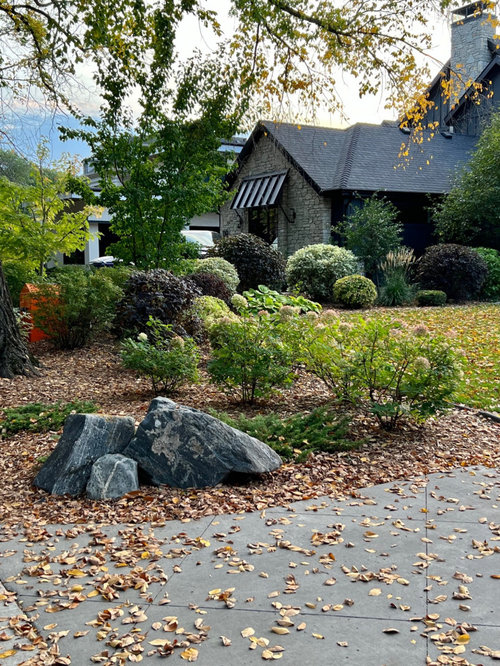
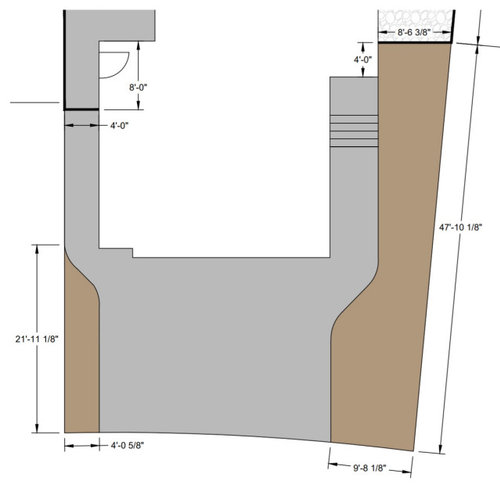
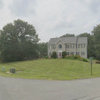
I need to submit a plan to our city for approval for a xeriscape front lawn, but I’m having a hard time laying it out. It’s difficult to find examples on these narrow lots with front driveways. I’m in zone 3 and the front faces north, so some of the plants I’m thinking are hostas, dogwood, ninebark, creeping juniper, hydrangeas. I would also like to include some rocks/boulders. I have a photo of a yard I like using these plants, I’m just struggling on how to layout and mix them on mine. Photo attached along with my lot, brown area is what will be xeriscape and mulched. Thank you!

Comments (22)

  • 2 years ago

    Forgot to add that we also require a tree, torn between a linden, crabapple or scotch pine. Another other suggestions appreciated.

  • PRO
    2 years ago

    IMO none of those plants are really water savers What is the reason for this type of landscape . Is the pic you posted your house? Can we see the pic you ae using for inspiration

  • 2 years ago

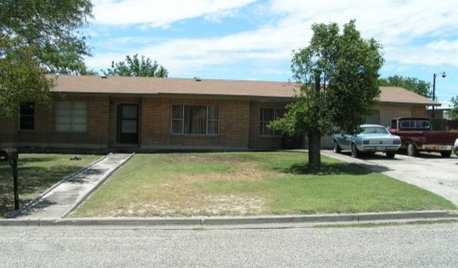
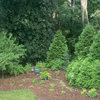
    This is the inspiration picture. I’m open to other plants for sure, the main reason we are doing this is to not have sod in the front. Eventually I’d love it to be all filled in with different perennials, but we need a starting point to submit to the city. All they really require for approval is one tree and three shrubs (min 6’ spread) and no more than 30% rock.

  • 2 years ago

    Although lovely, Hydrangeas and Hostas are not xeriscape plants. Where are you located (general terms)?

  • 2 years ago

    Saskatchewan, Canada. I figured hostas because of the shade, and hydrangeas just because I like them!

  • 2 years ago

    It is very possible to have a no-lawn front garden but it doesn't have to be a xeriscape. As noted, with the exception of the juniper, none of the plants listed can be remotely considered suitable for a xeriscape!

    It is difficult to successfully design a front garden that is virtually all plants. You might need to hire some local professional help.

  • 2 years ago

    I also live in SK. (Saskatoon). I’ve been working on a north facing landscape with lilies, hostas and hydrangeas for a few years now (we took out a huge spruce tree that was up against the house). I’ve planted the less hardy things by the foundation of the house as I’m trying to “push” the zone. I’m planting zone 3 plants closer to the house foundation as we risk losing stuff if we have a bad winter. It is not xeriscape but I have a watering barrel adjacent to it that is fed by an eavestrough so hand water the plants. The city should appreciate that approach, in Saskatoon they have rebates for barrels purchased. You will need to water almost daily for hostas and hydrangeas at least until they are established. I mulch everything with leaves and compost and any dirt I add is triple mix.

  • 2 years ago
    last modified: 2 years ago

    About the boulders, you note your inspo pic has 3 rocks that make a clear grouping, leaning into each other. That's a good plan for a cluster.


    Tiarella, foam flower does well in shade. If you want cold-hardy xeriscape plants, I'l look into high desert, like Colorado natives.

    FrontRangeSm.pdf (colostate.edu)

    Growing With Native Plants - Wild About Saskatoon

  • 2 years ago

    I think I’ve confused things referring to this as “xeriscaping”. That’s just how the city refers to a non-grass yard. The don’t specifically require low water plants, although obviously that’s ideal. My old house had lots of established hostas that I never had to water which is why I thought of them for the shade. The point of this point was for help with the layout of the shrubs, a tree and adding more perennials in the future. It is hard to find examples for small front yards like this, thanks.

  • 2 years ago

    Unfortunately, your city has used that terminology incorrectly. 'Xeric' means dry or arid and 'xeriscaping' refers to a landscape that thrives in a very dry or arid environment. A no lawn front garden is just a front garden that lacks any turf grass - rainfall or moisture has very little to do with it. No wonder it was confusing!!

  • 2 years ago

    Including some native plants will give your garden more life by attracting pollinators. A serviceberry is a great front yard tree. Good size, no pests/diseases, flowers and berries. https://wildaboutsaskatoon.org/growing-with-native-plants/

  • 2 years ago

    I have cut out half of the front facing yard in our south facing front in Saskatoon. I have no sprinkler systems but do deep water the shade tree. My front yard spans 87 ft. For years it was burnt grass. I didn’t want to waste treated water on grass. I would prefer not to water the trees but the arborist said we need to do it.

  • 2 years ago

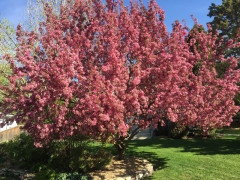
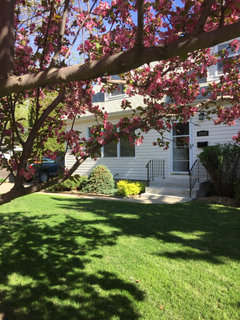
    This is a thunderchild crab in the front. I have another tree in there that suffered a lot of damage from a bug but it is doing better now.

  • 2 years ago

    The thunderchild crab has since been pruned quite a bit. I can’t do it myself anymore so we have arborists that do (every two years).

  • 2 years ago

    I think service berry is the same as Saskatoon berry. I do have that also, in the back yard. We usually have enough berries picked and frozen that last until late January.

  • 2 years ago

    Thanks! My landscaper was thinking of a Spring Snow crabapple for the front since it’s more narrow. For the backyard, I want to plant a nice big shade tree since it’s south facing but I’m not sure what kind. Used to have a few green ash in my old neighborhood but the pollen was awful. Thinking of maybe a Linden.

  • 2 years ago

    For trees consider serviceberry, eastern redbud, pagoda dogwood, or other smaller trees that are native to your area (planting natives not only increases the likelihood your tree will thrive, it will bring more pollinators to your yard). For the plan, I would focus on a hedge of shrubs to the left of your driveway to satisfy the requirement. I would plant the small tree 4-5 feet off the angled part of your sidewalk on the right. I’m assuming you need access to the backyard on the right, so if you plant any shrubs on that side, maybe have your focus be any screening you want to do from the street or neighbors (so maybe a shrub or two behind the tree to create a little courtyard feel to the area to the right of your front door). There are a fair amount of native perennials that do well in shade or part shade, and those I think should be your focus to the right of your driveway— too many shrubs and it’s just going to have an awkward, overgrown/unusable vibe in a few years. Native perennials for shade that I like (I’m in MN zone 4 so check your own options) include heuchera, Pennsylvania sedge, goatsbeard, wild ginger, wild geranium, wild blue phlox.

    You could also consider just doing native grasses or sedge in the front portion of the area to the right.

  • 2 years ago

    Can you clarify why the city wants this? Most municipalities aren't in the business of approving home garden designs - except maybe for city tree placement. Does everyone need to submit their home garden plans for approval?

  • 2 years ago

    There is a rebate for finishing your landscaping within 18 months of possession, so I guess to qualify for the rebate the city wants to make sure you aren’t just dumping gravel on your lot and calling it done.

  • 2 years ago

    Yes - makes sense now! With a rebate involved, the city would and should definitely want to sign off on the project before releasing funds.

  • 2 years ago

    Just a tiny input- yes to hostas if you don’t have neighborhood deer and do the bed is shady - part shade. In fact they can do much heavy lifting because they provide excellent weed- block when leafed out, yet you can add mulch or clean up a bit when dormant. Plus while not “ xeriscape” plants, as you noted they can survive periods of drought.

    Hiring LD to design a staged installation— starting with your tree & shrubs but with a larger plan to build out over time, could be great. You could also check out some books and podcasts on garden design— for most things you’d still start with measuring your initial space, making a rough but generally to scale sketch, bubble- diagram in trees & shrubs.

    One big reason for help is you likely want to improve soil somewhat & could be over a largish area, so having a designer/ crew could get it done. So if you did get a now& later plan but they did the initial basic HOA requirement installation, then you’d have more time to research & noodle on any expansion.