

Pruning whips
13 years ago
Sort by:Oldest
Comments (4)
Related Stories
EDIBLE GARDENSHow to Grow Your Own Peaches and Nectarines
Make gardening a little sweeter with these juicy fruits, which you can eat after plucking or preserve for later
Full Story
EDIBLE GARDENSHow to Grow 10 Favorite Fruit Trees at Home
Plant a mini orchard in fall, winter or early spring to enjoy fresh-off-the-tree fruit the following year
Full Story
EXTERIORSWhere Front Yards Collide: Property Lines in Pictures
Some could be twins; others channel the Odd Couple. You may never look at property boundaries the same way again
Full Story
EDIBLE GARDENSWhy Grow Quince? For Beauty, Fragrance and Old-Time Flavor
Delightfully perfumed fruit and lovely spring blossoms make this apple and pear cousin worth a spot in the garden
Full Story
GARDENING GUIDES6 Wonderfully Easy Roses for Any Gardener
Look like an expert even if you're just starting out, with these low-maintenance gems of the rose world
Full Story
GARDENING GUIDESSoutheast Gardener's December Checklist
Don't hang up your shears and gloves all month: 8 ways to keep your green thumb from freezing over
Full Story
GARDENING GUIDESCreate a Fire-Safe Garden — With Style
Defend your home against wildfire with a well-planned mix of plants, materials and open space
Full Story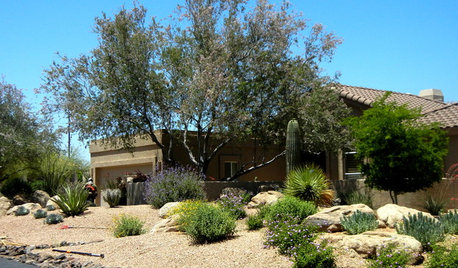
GARDENING GUIDESGreat Design Plant: Olneya Tesota Offers Desert Shade
This long-lived Southwestern native tree decorates the sky with its dusty gray-green foliage and lavender-colored blossoms
Full Story
HOLIDAYSCollecting Christmas Ornaments That Speak to the Heart
Crafted by hand, bought on vacation or even dug out of the discount bin, ornaments can make for a special holiday tradition
Full Story
HOUZZ TOURSMy Houzz: Goodwill and Good Taste in a Grand Colonial
Welcoming the community for charity fundraisers and more, this Massachusetts home radiates graciousness
Full Story


fruitnut Z7 4500ft SW TX
EggieRoweOriginal Author
Related Professionals
St. Louis Landscape Architects & Landscape Designers · Youngstown Landscape Architects & Landscape Designers · Madison Landscape Architects & Landscape Designers · Merced Landscape Architects & Landscape Designers · Topeka Landscape Contractors · Alexandria Landscape Contractors · Janesville Landscape Contractors · Ontario Landscape Contractors · Oxford Home Additions · Greensboro Home Additions · Cedar Rapids Home Additions · Show Low Home Additions · Longview Home Additions · Kahului Home Additions · Chatham Home Additionsmarc5
alan haigh